
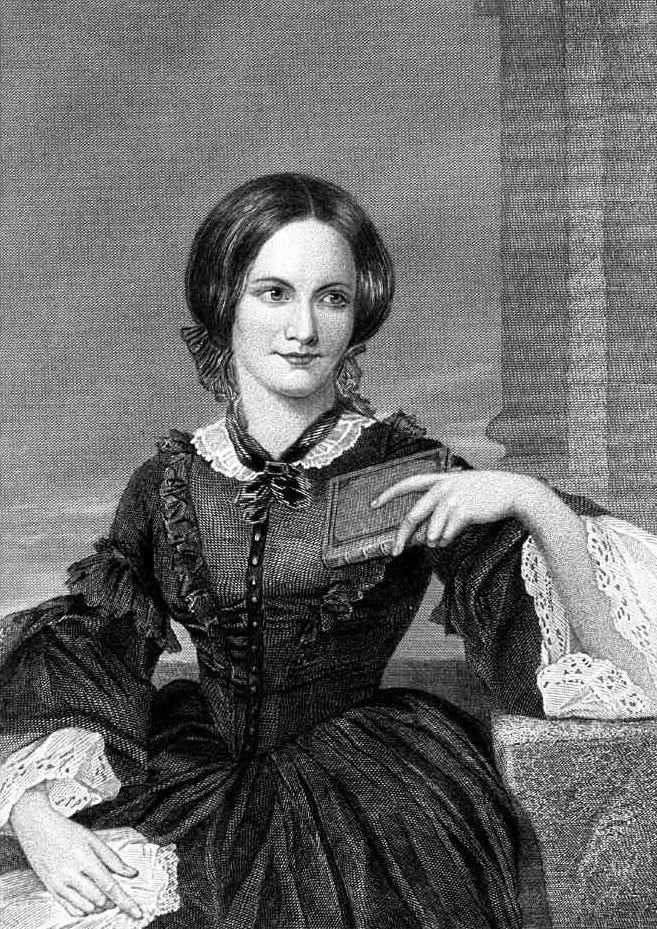
Charlotte Brontë, born on April 21, 1816, in Thornton, Yorkshire, England, is one of the most celebrated authors of the 19th century. She is best known for her novel Jane Eyre, a literary masterpiece that has become a classic of English literature. As the eldest of the Brontë sisters, Charlotte’s life and work have left an indelible mark on the literary world. Her writing is characterized by its deep emotional intensity, complex characters, and exploration of social issues, particularly the role of women in Victorian society. This article delves into the life, career, and lasting impact of Charlotte Brontë, providing detailed insights into her journey from a remote Yorkshire village to literary fame.
Early Life and Family Background
Charlotte Brontë was born into a family that valued education and intellectual pursuits. Her father, Reverend Patrick Brontë, was an Anglican clergyman of Irish descent, who had risen from humble beginnings through sheer determination and intellectual prowess. Her mother, Maria Branwell Brontë, came from a well-off Methodist family in Cornwall. Charlotte was the third of six children, all of whom were destined to become notable figures in the literary world.
In 1820, when Charlotte was just four years old, the Brontë family moved to Haworth, a small village in the Yorkshire moors, where Patrick Brontë was appointed as the perpetual curate of the local church. The family’s new home, the parsonage at Haworth, was situated on the edge of the moors, a bleak and isolated landscape that would later feature prominently in the works of the Brontë sisters.
Tragedy struck the Brontë family early on. In 1821, Maria Branwell Brontë died of cancer, leaving Patrick Brontë to raise the children with the help of his sister-in-law, Elizabeth Branwell. The children were deeply affected by their mother’s death, and this loss, coupled with the harsh environment of the Yorkshire moors, would leave a lasting imprint on their psyches and their literary work.
Education and the Influence of Early Tragedy
In 1824, Charlotte and her older sisters, Maria and Elizabeth, were sent to the Clergy Daughters’ School at Cowan Bridge, a boarding school for the daughters of clergymen. The school was notorious for its harsh conditions, inadequate food, and strict discipline. The experience was traumatic for the Brontë sisters, particularly for Maria and Elizabeth, who both fell seriously ill. The unsanitary conditions at the school led to the deaths of Maria and Elizabeth, who died of tuberculosis shortly after returning home.
Charlotte and her younger sister, Emily, were also withdrawn from the school, and their education continued at home under the supervision of their father and Aunt Elizabeth Branwell. The tragic loss of her sisters had a profound effect on Charlotte, and the harsh conditions at Cowan Bridge would later serve as the model for the fictional Lowood School in Jane Eyre.
The Brontë children were encouraged to read widely and were given free rein to explore their imaginations. They spent much of their time creating intricate fictional worlds, most notably the imaginary kingdoms of Angria and Gondal, which served as the setting for their early stories and poems. These early creative endeavors were crucial in developing Charlotte’s literary talents and laid the groundwork for her later novels.
Early Career and the Path to Jane Eyre
Charlotte Brontë’s early adult years were marked by a series of attempts to find a suitable career. In 1831, at the age of 15, she enrolled at Roe Head, a school in Mirfield, where she was a student and later became a teacher. Although she was an able student, Charlotte found the experience of teaching difficult and unfulfilling. Nevertheless, her time at Roe Head allowed her to form important friendships, including with Ellen Nussey and Mary Taylor, who would remain close to her throughout her life.
In the early 1840s, Charlotte and her sisters, Emily and Anne, conceived the idea of opening their own school to gain financial independence and avoid the constraints of conventional employment. In 1842, Charlotte and Emily traveled to Brussels to attend the Pensionnat Heger, a school where they hoped to improve their French and acquire the necessary skills to run their own school. The experience in Brussels was formative for Charlotte, both personally and artistically. She developed a close, albeit complicated, relationship with Constantin Heger, one of the school’s instructors, who would later serve as the inspiration for characters in her novels.
However, the plan to open a school never came to fruition. The sisters returned to Haworth in 1844 after the death of their aunt Elizabeth Branwell, who left them a modest inheritance. The failure of their school venture was a disappointment, but it also led Charlotte to focus more intensively on her writing.
The Publication of Jane Eyre and Rise to Fame
In 1846, Charlotte, along with her sisters Emily and Anne, published a collection of poems under the pseudonyms Currer, Ellis, and Acton Bell. Although the volume received little attention, the sisters were undeterred and turned their efforts to writing novels. Charlotte’s first novel, The Professor, was completed in 1846 but was rejected by several publishers.
Undaunted, Charlotte began work on a new novel, Jane Eyre, which was published in 1847 under her pseudonym, Currer Bell. The novel was an immediate success, praised for its originality, narrative power, and strong moral and social commentary. Jane Eyre tells the story of an orphaned girl who, despite a harsh and oppressive upbringing, grows into a strong, independent woman. The novel’s exploration of themes such as social class, gender roles, and the struggle for personal autonomy resonated deeply with readers.
Jane Eyre was groundbreaking in its depiction of a woman’s inner life and its portrayal of a heroine who asserts her independence and moral integrity in the face of societal expectations. The novel’s success catapulted Charlotte Brontë to literary fame, and she became one of the most celebrated authors of her time.
Later Works and Personal Struggles
Following the success of Jane Eyre, Charlotte Brontë continued to write, although her subsequent novels were met with mixed critical reception. In 1849, she published Shirley, a novel set against the backdrop of the industrial unrest in Yorkshire. Shirley was notable for its exploration of gender roles and its depiction of strong, independent female characters, but it lacked the emotional intensity of Jane Eyre and was not as well-received.
In 1853, Charlotte published Villette, a novel that drew heavily on her experiences in Brussels. Villette is often regarded as one of her most accomplished works, praised for its psychological depth and nuanced exploration of loneliness, identity, and unrequited love. The novel’s protagonist, Lucy Snowe, is a complex and introspective character, and the novel’s dark, introspective tone reflects Charlotte’s own struggles with isolation and loss.
Throughout her life, Charlotte Brontë faced numerous personal challenges. The deaths of her siblings—Branwell, Emily, and Anne—within a short span of time left her devastated. By 1854, Charlotte was the last surviving Brontë sibling, and the weight of this loss deeply affected her.
In the same year, Charlotte married Arthur Bell Nicholls, her father’s curate. The marriage, although initially met with resistance from her father, brought Charlotte a measure of happiness and stability. However, her health began to decline, and in 1855, while pregnant, Charlotte contracted pneumonia. She died on March 31, 1855, at the age of 38, leaving behind a legacy that would continue to influence generations of readers and writers.
Legacy and Influence
Charlotte Brontë’s impact on English literature cannot be overstated. Her novels, particularly Jane Eyre, have become classics, studied and admired for their innovative narrative techniques, exploration of complex characters, and engagement with social issues. Charlotte’s work paved the way for subsequent generations of female writers, and her portrayal of strong, independent heroines challenged the traditional gender roles of her time.
Jane Eyre remains one of the most widely read and studied novels in the English language, with numerous adaptations in film, television, and theater. The novel’s exploration of themes such as the struggle for self-respect, the search for love and belonging, and the tension between personal desire and social convention continue to resonate with readers today.
Charlotte Brontë’s influence extends beyond her own work. Her life and legacy have inspired countless biographers, critics, and scholars to explore the depths of her literary genius and the complexities of her personal experiences. Her letters, diaries, and unfinished works provide valuable insights into the mind of a writer who was ahead of her time, grappling with issues of identity, creativity, and the limitations imposed by society.
Conclusion
Charlotte Brontë’s life was marked by tragedy, resilience, and extraordinary literary achievement. From the bleak moors of Yorkshire to the heights of literary fame, she crafted novels that continue to captivate and challenge readers around the world. Her exploration of the human condition, her pioneering portrayal of women’s inner lives, and her fearless engagement with social and moral issues have secured her place as one of the most important writers in the history of English literature.
As we continue to read and study her work, Charlotte Brontë’s voice remains as powerful and relevant as ever, reminding us of the enduring power of literature to illuminate the complexities of the human experience.


