
Introduction
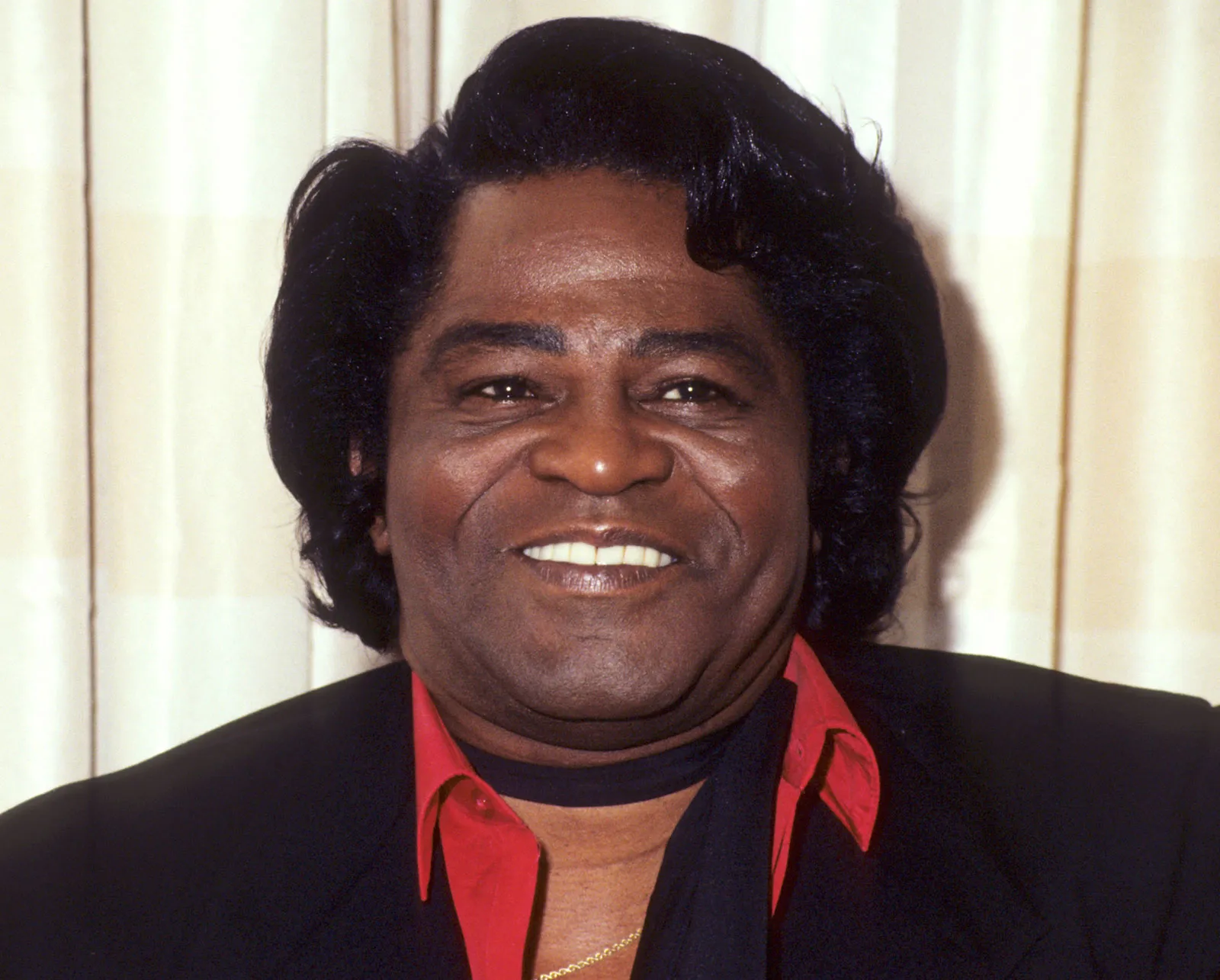
James Brown, often hailed as the “Godfather of Soul,” is an iconic figure in the history of music. Born on May 3, 1933, in Barnwell, South Carolina, Brown’s influence on the genres of soul, funk, and rhythm and blues is immeasurable. His music and electrifying stage presence have left an indelible mark on the music industry, and his life story is one of extraordinary talent, relentless ambition, and, at times, personal turmoil. This article delves into the life of James Brown, exploring the factors that contributed to his fame and the highlights that defined his career.
Early Life and Background
James Brown’s early life was marked by poverty and hardship. Born in a small shack in rural South Carolina, Brown’s childhood was anything but easy. His parents separated when he was young, and he was sent to live with his aunt in a brothel in Augusta, Georgia. Growing up in such an environment exposed Brown to the harsh realities of life at an early age. Despite these challenges, he found solace in music and sports, particularly boxing and baseball. Brown’s exposure to gospel music in church, as well as to the sounds of swing and rhythm and blues, played a significant role in shaping his musical sensibilities.
By the age of thirteen, Brown had formed his first musical group, The Flames, which later became The Famous Flames. His big break came in 1955 when the group recorded their first hit single, “Please, Please, Please.” The song quickly climbed the charts, establishing Brown as a force to be reckoned with in the music industry. This initial success set the stage for a career that would span over five decades.
Rise to Fame: The Godfather of Soul
The late 1950s and early 1960s were formative years for James Brown. Following the success of “Please, Please, Please,” Brown and The Famous Flames released several other hits, including “Night Train” and “Try Me.” These songs not only showcased Brown’s powerful voice but also his ability to connect with audiences through raw emotion and energy. However, it was his live performances that truly set him apart from other artists of the time.
In 1962, Brown recorded a live album at the iconic Apollo Theater in Harlem. Titled “Live at the Apollo,” the album was a groundbreaking success and remains one of the most celebrated live recordings in music history. The album’s success demonstrated Brown’s ability to captivate an audience with his dynamic stage presence and high-energy performances. This was the beginning of Brown’s reputation as one of the greatest live performers of all time.
Brown’s influence continued to grow throughout the 1960s, with hits like “Out of Sight” (1964) and “Papa’s Got a Brand New Bag” (1965) further solidifying his place in the music industry. These songs marked the birth of funk, a genre that Brown is often credited with pioneering. Funk’s syncopated rhythms, tight grooves, and emphasis on the “one” (the first beat of the measure) became the foundation of many of Brown’s most famous tracks. His 1965 hit “I Got You (I Feel Good)” is perhaps the best example of Brown’s ability to create music that was both innovative and universally appealing.
Cultural Impact and the Civil Rights Movement
As James Brown’s fame grew, so did his influence on American culture, particularly within the African American community. Brown’s music became anthems for the Civil Rights Movement, with his 1968 hit “Say It Loud – I’m Black and I’m Proud” serving as a powerful declaration of black pride and empowerment. The song resonated deeply with African Americans during a time of significant social and political upheaval. It became an anthem for the Black Power movement, encouraging self-reliance and pride in black identity.
Brown’s influence extended beyond music into the realm of social activism. Following the assassination of Dr. Martin Luther King Jr. in 1968, Brown played a crucial role in preventing riots in Boston by broadcasting his concert on television and urging calm. His actions during this time further solidified his status as a leader and role model within the African American community.
The 1970s: Dominance and Reinvention
The 1970s were a decade of both continued success and reinvention for James Brown. During this period, he released a series of albums that continued to push the boundaries of funk and soul music. Hits like “Sex Machine” (1970), “Super Bad” (1970), and “Get Up Offa That Thing” (1976) became staples of Brown’s repertoire and further established his reputation as the “Hardest Working Man in Show Business.”
Brown’s influence on other genres and artists cannot be overstated. His music was heavily sampled by hip-hop artists in the 1980s and 1990s, making him one of the most sampled artists in music history. Tracks like “Funky Drummer” became a foundational breakbeat in hip-hop, and Brown’s vocal stylings influenced countless artists across multiple genres.
Despite his continued success, the 1970s were also marked by personal struggles for Brown. His demanding work schedule and personal issues began to take a toll on his health and personal life. Nevertheless, his commitment to his music and his fans never wavered, and he remained a dominant force in the music industry.
The 1980s: From Decline to Resurgence
The 1980s were a tumultuous decade for James Brown. His career faced challenges due to changing musical tastes, personal issues, and legal troubles. However, Brown managed to stay relevant by adapting to the changing landscape of the music industry. In 1985, he made a memorable appearance in the film Rocky IV, performing the hit song “Living in America.” The song became one of his biggest hits of the decade and earned him a Grammy Award for Best Male R&B Vocal Performance.
In addition to his work in film, Brown also made notable appearances in television and other media during the 1980s. He played the role of a preacher in the classic film The Blues Brothers (1980), which introduced his music to a new generation of fans. These appearances helped to revive his career and introduced his music to a broader audience.
The 1990s and Beyond: Legacy and Final Years
The 1990s saw James Brown being celebrated as one of the greatest artists of all time. He was inducted into the Rock and Roll Hall of Fame in 1986, an honor that recognized his immeasurable contribution to the music industry. Throughout the 1990s and early 2000s, Brown continued to perform, touring extensively and releasing new music. Despite his advancing age, his live performances remained energetic and powerful, a testament to his enduring talent and work ethic.
However, Brown’s personal life continued to be plagued by difficulties, including legal issues and health problems. His struggles with drug addiction and brushes with the law often made headlines, overshadowing his musical achievements at times. Despite these challenges, Brown remained a beloved figure in the music world.
In 2006, James Brown passed away on Christmas Day at the age of 73. His death marked the end of an era, but his legacy lives on through his music and the countless artists he influenced. Brown’s contribution to music is unparalleled, and he is remembered not only as a pioneer of funk and soul but also as a cultural icon who used his platform to advocate for social change.
The Cultural and Musical Legacy of James Brown
James Brown’s influence on music and culture is vast and enduring. Often referred to as the “Godfather of Soul,” Brown’s impact can be seen in the evolution of multiple genres, including funk, soul, R&B, and hip-hop. His innovative approach to rhythm and his electrifying stage presence set a new standard for live performance, influencing generations of musicians and performers.
Brown’s legacy is also deeply tied to his role as a voice for African American empowerment. Through songs like “Say It Loud – I’m Black and I’m Proud,” he helped to shape the narrative of black identity in America during the Civil Rights era. His music provided a soundtrack for a movement, and his influence extended beyond the stage into the realms of politics and social activism.
Today, James Brown’s music continues to inspire artists across genres. His songs are frequently sampled, covered, and celebrated, ensuring that his legacy remains alive for future generations. Brown’s contribution to the music industry is not just measured by his numerous hits, but also by his role in shaping the sound and direction of popular music for decades.
Conclusion: The Enduring Influence of James Brown
James Brown’s life and career are a testament to the power of talent, determination, and resilience. From his humble beginnings in South Carolina to becoming one of the most influential musicians of all time, Brown’s journey was one of extraordinary highs and challenging lows. His ability to reinvent himself and stay relevant across multiple decades is a testament to his genius as an artist.
As the “Godfather of Soul,” James Brown left an indelible mark on the world of music. His pioneering work in funk and soul continues to influence musicians to this day, and his legacy as a cultural icon endures. Whether through his electrifying performances, his groundbreaking music, or his role in the Civil Rights Movement, James Brown’s impact on American culture is undeniable.
James Brown’s story is one of perseverance and passion. Despite the many challenges he faced, he remained committed to his craft, delivering music that continues to resonate with audiences around the world. His legacy as a musician, performer, and cultural icon will undoubtedly continue to inspire future generations of artists and music lovers alike.


