
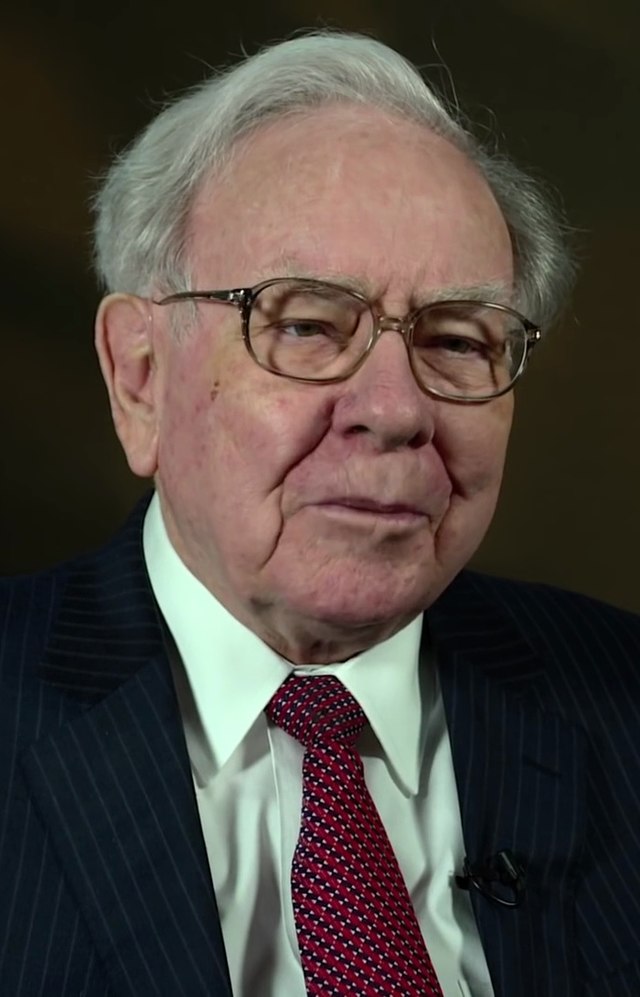
Warren Buffett, born on August 30, 1930, in Omaha, Nebraska, is widely recognized as one of the most successful investors of all time. Known as the “Oracle of Omaha,” Buffett’s investment strategies and financial acumen have earned him a prominent place in the world of finance. His story is not only a tale of exceptional business success but also one of remarkable personal integrity and philanthropy. This detailed exploration delves into Warren Buffett’s life, career achievements, and the highlights that define his extraordinary journey.
Early Life and Background
Warren Edward Buffett was born to Howard and Leila Buffett in Omaha, Nebraska. From an early age, Buffett demonstrated a keen interest in business and investing. His father, a stockbroker and later a U.S. Congressman, instilled in him a love for finance and a strong work ethic.
Key Points:
- Date of Birth: August 30, 1930
- Birthplace: Omaha, Nebraska
- Family: Son of Howard and Leila Buffett
Buffett’s fascination with numbers and business began during his childhood. By the age of 11, he had already bought his first stock, demonstrating an early aptitude for investment. This early start was the foundation for his future successes in the financial world.
Early Investments:
- First Stock Purchase: Buffett bought his first stock at age 11, signaling the beginning of a lifelong career in investing.
- Early Ventures: He engaged in various small business ventures, including selling newspapers and chewing gum, showcasing his entrepreneurial spirit.
Education and Early Career
Warren Buffett attended the University of Nebraska, where he earned a degree in Business Administration. He later pursued a Master’s in Economics from Columbia Business School, studying under Benjamin Graham, a renowned economist and investor. Graham’s teachings on value investing profoundly influenced Buffett’s investment philosophy.
Educational Background:
- Undergraduate Degree: Business Administration from the University of Nebraska.
- Graduate Degree: Master’s in Economics from Columbia Business School.
Buffett’s early career included working for his father’s brokerage firm and later as an investment salesman. In 1956, he founded Buffett Partnership Ltd., which marked the beginning of his professional investment career.
Career Beginnings:
- Buffett Partnership Ltd.: Founded in 1956, this investment partnership was the starting point for Buffett’s career as an investment manager.
- Influence of Benjamin Graham: Graham’s principles of value investing shaped Buffett’s approach to investing.
The Rise of Berkshire Hathaway
In 1965, Warren Buffett took control of Berkshire Hathaway, a textile manufacturing company that he would transform into one of the most successful investment conglomerates in history. Under Buffett’s leadership, Berkshire Hathaway evolved from a struggling textile company into a diversified holding company with interests in various industries.
Berkshire Hathaway Transformation:
- Acquisition: Buffett acquired Berkshire Hathaway and redirected its focus from textiles to investments.
- Diversification: The company’s portfolio grew to include significant holdings in insurance, utilities, and major corporations.
Buffett’s investment philosophy, based on value investing and long-term holdings, guided the company’s growth. His approach involved buying companies with strong fundamentals and holding them for extended periods, a strategy that proved highly successful.
Investment Philosophy:
- Value Investing: Buffett’s approach focuses on buying undervalued companies with strong potential for growth.
- Long-Term Holdings: Emphasis on holding investments for the long term, allowing them to appreciate significantly over time.
Major Investments and Business Ventures
Buffett’s investment strategy has been marked by several high-profile acquisitions and investments. His portfolio includes major stakes in companies such as Apple Inc., Coca-Cola, and American Express. These investments have contributed significantly to Berkshire Hathaway’s growth and Buffett’s reputation as a financial genius.
Notable Investments:
- Apple Inc.: Buffett’s investment in Apple has been one of the most successful, reflecting his confidence in the company’s long-term prospects.
- Coca-Cola: A long-term investment that highlights Buffett’s strategy of investing in companies with strong brand value and consistent performance.
- American Express: Another major investment that underscores Buffett’s approach of focusing on companies with competitive advantages.
In addition to these investments, Buffett has also been involved in various business ventures and partnerships, further diversifying Berkshire Hathaway’s portfolio.
Business Ventures:
- Insurance Companies: Berkshire Hathaway owns several insurance companies, including GEICO, which have contributed to its financial stability.
- Energy Sector: Investments in the energy sector have expanded the company’s reach and influence in various industries.
Personal Life and Philanthropy
Warren Buffett’s personal life is characterized by his frugality and commitment to philanthropy. Despite his immense wealth, Buffett is known for his modest lifestyle. He resides in the same house he purchased in 1958 and is known for his simple tastes and values.
Personal Characteristics:
- Frugality: Buffett’s modest lifestyle contrasts with his substantial financial success, reflecting his down-to-earth personality.
- Philanthropy: Buffett is a prominent philanthropist, having pledged to give away the majority of his wealth to charitable causes.
In 2010, Buffett, along with Bill Gates, co-founded The Giving Pledge, a commitment by wealthy individuals to donate a significant portion of their fortunes to charitable causes. This initiative has had a profound impact on philanthropy, encouraging other billionaires to follow suit.
Philanthropic Initiatives:
- The Giving Pledge: A commitment to donate the majority of wealth to charitable causes, reflecting Buffett’s dedication to giving back.
- Charitable Contributions: Buffett has made substantial donations to various organizations, including the Bill & Melinda Gates Foundation and his own charitable foundation.
Legacy and Influence
Warren Buffett’s legacy is marked by his extraordinary success as an investor, his impact on the financial industry, and his philanthropic efforts. His investment strategies and principles have influenced countless investors and financial professionals, and his approach to wealth and philanthropy has set a new standard for successful individuals.
Investment Legacy:
- Influence on Investing: Buffett’s principles of value investing and long-term holding have become foundational to modern investment strategies.
- Educational Impact: His investment philosophy and insights are widely studied and applied in financial education and practice.
Buffett’s impact extends beyond finance. His philanthropic work and commitment to ethical business practices have made him a respected figure in both business and charitable circles.
Cultural Impact:
- Ethical Leadership: Buffett’s emphasis on integrity and ethical business practices has influenced corporate culture and leadership standards.
- Public Persona: His public image as a wise and humble leader has endeared him to people worldwide and has solidified his status as a respected public figure.
Historical Context and Cultural Impact
Warren Buffett’s career spans several decades, and his achievements must be understood within the context of the financial world’s evolution. His success comes against the backdrop of significant economic changes, including market fluctuations, technological advancements, and shifts in investment strategies.
Economic Context:
- Market Changes: Buffett’s career has witnessed various economic cycles, including market booms and crashes, which have tested and refined his investment strategies.
- Technological Advances: The rise of technology and digital finance has transformed the investment landscape, with Buffett adapting his approach to these changes.
Buffett’s approach to investing, characterized by a focus on fundamental value and long-term growth, has remained steadfast despite these changes, highlighting the enduring relevance of his strategies.
Adaptation and Continuity:
- Investment Strategy: Buffett’s commitment to value investing and long-term thinking has proven resilient and effective in changing market conditions.
- Philanthropic Efforts: His ongoing philanthropic initiatives reflect a broader trend toward greater corporate social responsibility and ethical business practices.
Conclusion
Warren Buffett’s remarkable career and personal achievements provide a comprehensive view of a man who has shaped the investment world and set new standards for philanthropy. His journey from a young entrepreneur in Omaha to one of the most influential figures in finance is a testament to his exceptional talent, dedication, and vision.
Buffett’s success is not only measured by his financial achievements but also by his contributions to philanthropy and ethical business practices. His legacy continues to inspire investors and philanthropists around the world, reinforcing the enduring impact of his work.
Warren Buffett’s story is one of extraordinary success, grounded in a commitment to integrity and a profound understanding of the principles of investing and philanthropy. As he continues to influence the financial world and contribute to global charitable causes, Buffett remains a towering figure whose legacy will endure for generations to come.


