
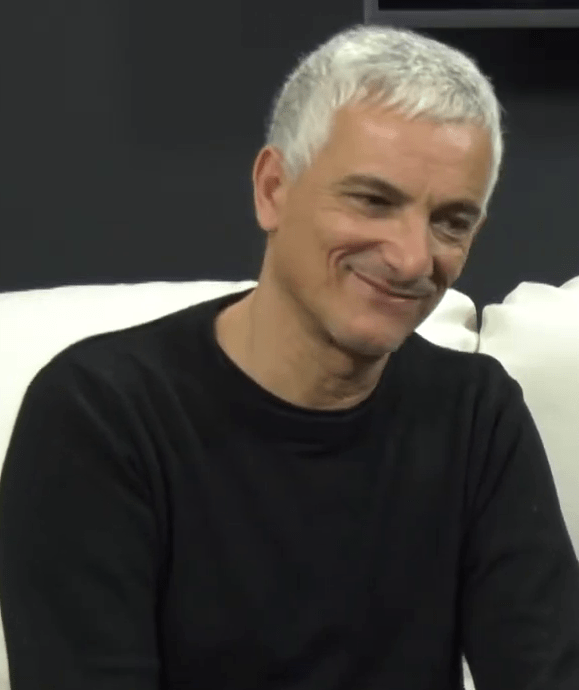
Bungaro, born Antonio Calò on May 23, 1964, in Brindisi, Italy, is a celebrated singer-songwriter, composer, and music producer. With a career spanning over three decades, Bungaro has established himself as one of the most respected and versatile artists in the Italian music scene. His contributions to music have earned him numerous awards and critical acclaim, particularly for his ability to craft deeply emotional and poetic songs. This article explores the life, career, and enduring impact of Bungaro, highlighting his journey from a young artist to a seasoned musician with a lasting legacy.
Early Life and Musical Beginnings
Antonio Calò, known professionally as Bungaro, was born into a family with a strong passion for music. From a young age, Bungaro was surrounded by the sounds of Italian folk music, classical compositions, and contemporary pop, all of which influenced his early musical development. Growing up in Brindisi, a town known for its cultural richness, Bungaro was exposed to a diverse range of musical styles, which helped shape his unique sound.
Bungaro’s journey into the world of music began in his teenage years when he started writing songs and performing in local venues. His early compositions were characterized by their introspective lyrics and melodic structures, elements that would become hallmarks of his later work. Bungaro’s talent quickly gained recognition, and by the time he was in his early twenties, he was already making a name for himself as a promising young artist in the Italian music scene.
Breakthrough at the Sanremo Music Festival
Bungaro’s big break came in 1988 when he participated in the prestigious Sanremo Music Festival, one of Italy’s most important music competitions. He performed the song “Sarà forte,” a poignant ballad that showcased his songwriting prowess and emotional depth. The performance was well-received, and Bungaro won the Critics’ Award, a significant achievement that marked the beginning of his rise to fame.
Following his success at Sanremo, Bungaro continued to build his career, releasing several albums and collaborating with other prominent Italian artists. In 1991, he returned to Sanremo with the song “E noi qui,” performed alongside Rosario Di Bella and Marco Conidi. The song was part of the album Cantare fa più bene, which further established Bungaro as a skilled songwriter with a talent for crafting songs that resonated with audiences.
The 2000s: Collaborations and Critical Acclaim
The early 2000s marked a period of significant growth and evolution for Bungaro. He began collaborating with some of Italy’s most renowned artists, contributing his songwriting talents to a variety of projects. In 2001, Bungaro produced the album Indirizzo portoghese for singer Patrizia Laquidara, showcasing his ability to blend different musical styles and create a cohesive sound that highlighted the strengths of the artists he worked with.
Bungaro’s talent for writing music that could capture the essence of a story was further demonstrated when he composed “Occhi belli,” the theme song for the film Io no, directed by Ricky Tognazzi. The song won the Ischia Music & Film Award, further solidifying Bungaro’s reputation as a versatile composer capable of creating music that resonated both in film and as standalone compositions.
In 2004, Bungaro returned to the Sanremo Music Festival with the song “Guardastelle.” The song was a critical success, winning the Premio Volare for Best Music and the Lunezia Award for the literary value of its lyrics. “Guardastelle” became one of Bungaro’s most iconic songs, and it exemplified his ability to combine poetic lyricism with beautiful melodies.
Continued Success and Artistic Evolution
As Bungaro’s career progressed, he continued to push the boundaries of his artistry, exploring new musical territories and expanding his influence in the Italian music industry. In 2007, he wrote three songs for the legendary singer Ornella Vanoni, which were included in her album Una bellissima ragazza. The collaboration was a success, further establishing Bungaro as a songwriter with a deep understanding of the nuances of the Italian music landscape.
In 2010, Bungaro released the album Arte, which was met with critical acclaim and won the Lunezia Award for Best Album. The album showcased Bungaro’s growth as an artist, blending his signature poetic style with more complex musical arrangements. The songs on Arte explored themes of love, loss, and self-discovery, resonating with listeners who appreciated Bungaro’s ability to capture the human experience in his music.
Bungaro’s influence continued to grow, and in 2011, he wrote the song “Il mare immenso” for singer Giusy Ferreri, which she performed at the Sanremo Music Festival. The song was a hit, and it demonstrated Bungaro’s ability to write music that could appeal to a wide audience while maintaining his signature lyrical depth.
The 2010s: New Projects and Continued Influence
The 2010s saw Bungaro continue to expand his artistic horizons, taking on new projects and collaborating with a diverse range of artists. In 2012, he wrote and produced the album Sartoria italiana fuori catalogo for the singer Pilar, showcasing his ability to work across different musical genres and styles. The album was praised for its innovative approach and Bungaro’s ability to bring out the best in the artists he worked with.
Bungaro also released his own album, Il valore del momento, during this period, further solidifying his status as one of Italy’s leading singer-songwriters. The album featured a collection of songs that explored themes of time, memory, and the fleeting nature of life, all delivered with Bungaro’s signature blend of poetic lyricism and melodic beauty.
In 2017, Bungaro released the live album Maredentro, which captured the essence of his live performances and showcased his ability to connect with audiences on a deep emotional level. The album was well-received, and it demonstrated Bungaro’s commitment to his craft and his ability to evolve as an artist while staying true to his roots.
In 2018, Bungaro returned to the Sanremo Music Festival as one of the twenty contestants, further highlighting his enduring relevance in the Italian music scene. His participation in Sanremo was a testament to his continued influence and the respect he commands in the industry.
Personal Life and Artistic Philosophy
Bungaro’s music is deeply personal, often reflecting his own experiences and emotions. He has spoken in interviews about the importance of authenticity in his work, emphasizing that his songs are a reflection of his own life and the lives of those around him. This commitment to authenticity is evident in the emotional depth and honesty of his lyrics, which have resonated with listeners throughout his career.
In addition to his work as a musician, Bungaro is also known for his philosophical approach to life and art. He has often spoken about the importance of living in the moment and finding beauty in the everyday experiences of life. This philosophy is reflected in his music, which often explores themes of time, memory, and the transient nature of life.
Bungaro’s approach to music is also deeply collaborative. He has worked with a wide range of artists throughout his career, and he has a reputation for being a generous and supportive collaborator. This collaborative spirit has allowed him to create music that is both deeply personal and universally resonant.
Legacy and Influence
Bungaro’s influence on the Italian music scene is profound. His ability to blend poetic lyricism with beautiful melodies has made him one of the most respected and admired singer-songwriters in Italy. His work has inspired a new generation of musicians, and his songs continue to be celebrated for their emotional depth and artistic integrity.
Bungaro’s legacy is also evident in the numerous awards and accolades he has received throughout his career. From his early successes at the Sanremo Music Festival to his more recent work as a composer and producer, Bungaro has consistently been recognized for his contributions to music. His ability to create music that resonates with listeners across generations is a testament to his talent and his deep understanding of the human experience.
Conclusion: The Enduring Appeal of Bungaro
Bungaro’s journey from a young musician in Brindisi to one of Italy’s most celebrated singer-songwriters is a testament to his talent, perseverance, and commitment to his craft. His ability to create music that is both deeply personal and universally resonant has earned him a lasting place in the Italian music scene.
As he continues to create and perform, Bungaro’s influence will undoubtedly continue to grow. His music, marked by its poetic lyricism, emotional depth, and beautiful melodies, will continue to resonate with listeners for years to come. Bungaro’s legacy as a singer-songwriter, composer, and producer is one of artistic excellence and a deep commitment to the power of music to capture the essence of the human experience.


