
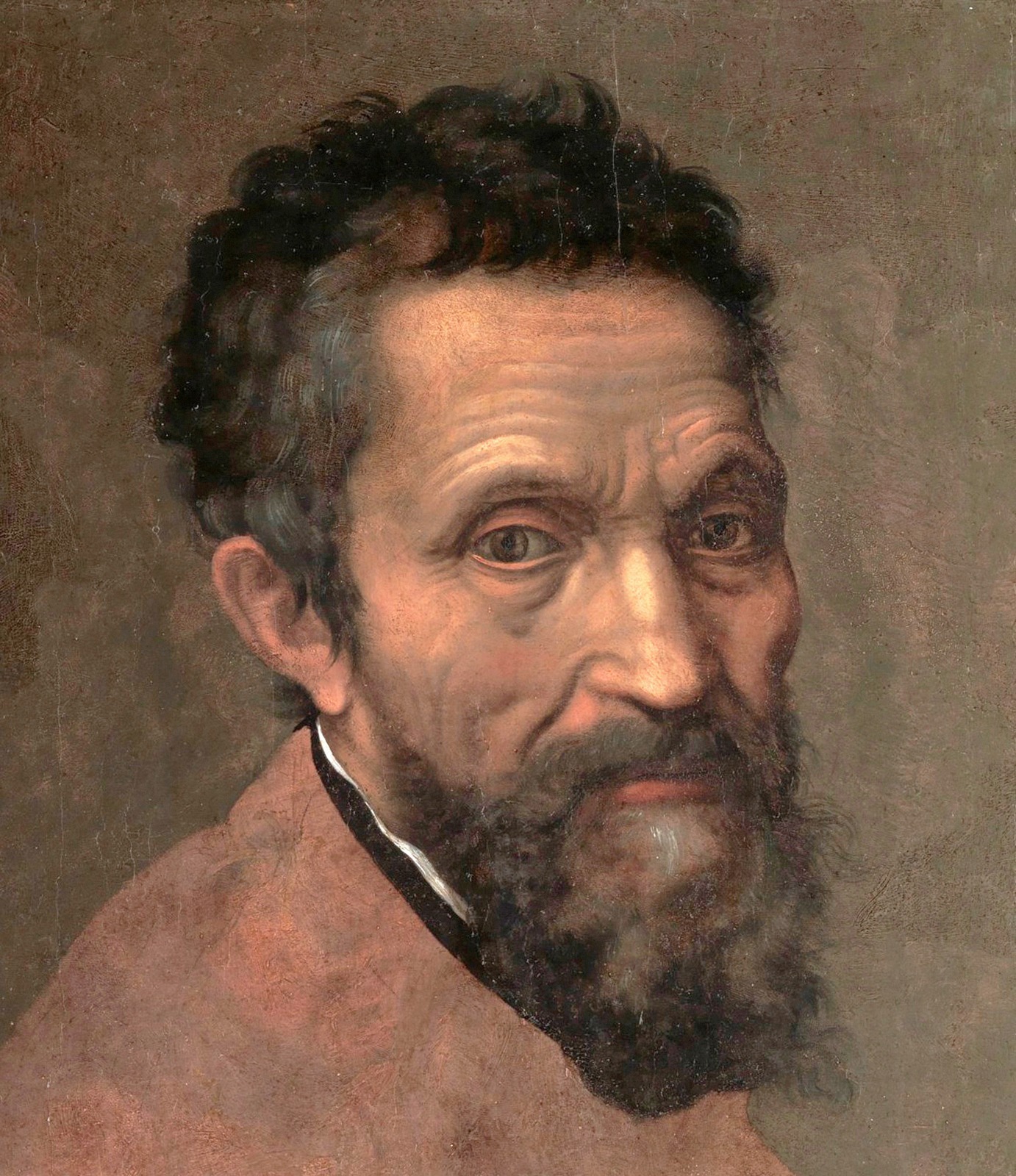
Michelangelo Buonarroti, born on March 6, 1475, in Caprese, a small village in Tuscany, Italy, is one of the most renowned and influential artists in history. His legacy is marked by his exceptional contributions to painting, sculpture, architecture, and poetry. Michelangelo’s name is synonymous with the Renaissance, a period of profound cultural and artistic transformation in Europe. His works have become symbols of human achievement, embodying the ideals of beauty, power, and the divine. In this article, we will explore the life, fame, and enduring legacy of Michelangelo Buonarroti, offering detailed insights into his artistic journey, the historical context of his works, and the impact he had on art and culture.
Early Life and Education
Michelangelo was born into a family of minor nobility, the second of five sons of Ludovico di Leonardo Buonarroti Simoni and Francesca di Neri. Shortly after his birth, the family moved to Florence, a city that would play a pivotal role in shaping Michelangelo’s artistic destiny. Florence, during this period, was a vibrant hub of culture and learning, teeming with artists, scholars, and thinkers who were pushing the boundaries of human knowledge and creativity.
From a young age, Michelangelo showed a keen interest in the arts, much to the dismay of his father, who initially wanted him to pursue a more traditional path. However, Michelangelo’s talent was undeniable, and by the age of thirteen, he was apprenticed to Domenico Ghirlandaio, one of Florence’s most prominent painters. Ghirlandaio’s workshop was one of the best places for a young artist to learn the craft, and Michelangelo quickly mastered the techniques of fresco painting.
Despite the prestige of Ghirlandaio’s workshop, Michelangelo’s true passion lay in sculpture. His break came when he was introduced to Lorenzo de’ Medici, also known as Lorenzo the Magnificent, one of the most powerful and influential patrons of the arts in Florence. Lorenzo recognized Michelangelo’s potential and invited him to live in his palace, where the young artist had the opportunity to study classical sculpture under the guidance of Bertoldo di Giovanni, a student of the great Donatello. This period was crucial in Michelangelo’s development, as it allowed him to immerse himself in the study of classical art and philosophy, laying the groundwork for his future masterpieces.
The Road to Fame: Early Works and Breakthroughs
Michelangelo’s early works are a testament to his extraordinary talent and his ability to blend classical influences with his unique artistic vision. Among his first notable sculptures were “The Battle of the Centaurs” and “Madonna of the Stairs,” both of which he created while under the patronage of Lorenzo de’ Medici. These works demonstrated his mastery of form and his ability to convey complex emotions through the medium of marble.
However, it was the creation of the “Pietà” in 1498-1499 that truly catapulted Michelangelo to fame. Commissioned by the French Cardinal Jean de Bilhères, the “Pietà” was intended for the cardinal’s funeral monument in St. Peter’s Basilica in Rome. The sculpture, which depicts the Virgin Mary cradling the dead body of Jesus, is remarkable for its delicate beauty and emotional intensity. The “Pietà” not only established Michelangelo as one of the leading sculptors of his time but also marked the beginning of his illustrious career in Rome.
Following the success of the “Pietà,” Michelangelo returned to Florence, where he was commissioned to create what would become one of his most iconic works: the “David.” Carved from a single block of marble that had been abandoned by previous sculptors, the “David” is a symbol of the Renaissance ideal of the heroic individual. Standing at 17 feet tall, the statue portrays the biblical hero David in the moments before his battle with Goliath, his expression a mixture of concentration and determination. Unveiled in 1504, the “David” was hailed as a masterpiece of Renaissance sculpture and solidified Michelangelo’s reputation as one of the greatest artists of his generation.
The Sistine Chapel: A Monumental Achievement
In 1505, Michelangelo was summoned to Rome by Pope Julius II, who had grand plans for the artist. The pope commissioned Michelangelo to design his tomb, a project that would become a source of great frustration for the artist due to its many delays and revisions. However, it was during this time that Michelangelo undertook what is perhaps his most famous work: the ceiling of the Sistine Chapel.
The Sistine Chapel, located in the Vatican, was the private chapel of the pope and the site of important religious ceremonies. Michelangelo initially resisted the commission, as he considered himself primarily a sculptor rather than a painter. However, the pope was insistent, and in 1508, Michelangelo began the daunting task of painting the chapel’s ceiling.
Over the course of four years, Michelangelo worked tirelessly, often in physically challenging conditions, to complete the frescoes that now adorn the ceiling of the Sistine Chapel. The result was a stunning visual narrative that depicts scenes from the Book of Genesis, including the creation of Adam, the fall of man, and the story of Noah. The central image, “The Creation of Adam,” in which God reaches out to touch the hand of Adam, is one of the most iconic images in the history of art.
The ceiling of the Sistine Chapel is considered one of Michelangelo’s greatest achievements and a masterpiece of High Renaissance art. It not only demonstrated Michelangelo’s unparalleled skill as a painter but also his deep understanding of human anatomy, movement, and emotion. The frescoes are a profound reflection of the artist’s philosophical and spiritual beliefs, and they continue to inspire awe and admiration to this day.
Later Works and Architectural Contributions
In the later years of his life, Michelangelo’s focus shifted increasingly toward architecture. In 1546, he was appointed chief architect of St. Peter’s Basilica in Rome, a position that allowed him to leave a lasting impact on one of the most important buildings in Christendom. Michelangelo’s design for the dome of St. Peter’s is considered one of his greatest architectural achievements and remains a defining feature of the Roman skyline.
Michelangelo also worked on other significant architectural projects, including the Laurentian Library in Florence and the redesign of the Capitoline Hill in Rome. His architectural style was characterized by its boldness and originality, as he sought to create structures that were not only functional but also aesthetically harmonious and spiritually uplifting.
Despite his success as an architect, Michelangelo continued to sculpt throughout his life. His later sculptures, such as the “Pietà Rondanini,” reflect a more introspective and spiritual side of the artist. The “Pietà Rondanini,” which Michelangelo worked on until his death, is a poignant and unfinished work that depicts the Virgin Mary holding the body of Christ. The sculpture’s raw, unfinished quality conveys a deep sense of sorrow and contemplation, offering a glimpse into the artist’s own struggles with faith and mortality.
Michelangelo’s Legacy and Influence
Michelangelo Buonarroti’s influence on art and culture is immeasurable. His works have inspired countless artists across the centuries and continue to be studied and admired by art lovers and scholars around the world. Michelangelo was not only a master of technique but also a visionary who pushed the boundaries of what art could achieve.
His contributions to the Renaissance were profound, as he helped to define the artistic ideals of the period. Michelangelo’s emphasis on the human form, his exploration of emotion and expression, and his ability to convey complex ideas through visual art set new standards for artistic excellence. His works embody the spirit of the Renaissance, a time when artists sought to explore the full potential of human creativity and intellect.
Michelangelo’s legacy extends beyond his artistic achievements. He was also a poet, and his writings reveal a deeply reflective and philosophical mind. His poems often explore themes of love, beauty, and the divine, offering insights into his personal beliefs and experiences.
Michelangelo’s impact on architecture, particularly through his work on St. Peter’s Basilica, has left a lasting mark on the field. His innovative designs and use of space influenced generations of architects and helped to shape the development of Western architecture.
Conclusion: A Life of Artistic Greatness
Michelangelo Buonarroti’s life was marked by extraordinary achievements in multiple artistic disciplines. From his early sculptures that showcased his mastery of form to his monumental frescoes in the Sistine Chapel, Michelangelo’s works have become timeless symbols of human creativity and expression. His contributions to art, architecture, and culture have left an indelible legacy that continues to inspire and captivate people around the world.
As we reflect on Michelangelo’s life and work, it is clear that he was more than just an artist; he was a true Renaissance man, whose genius and vision transformed the world of art and left a lasting impact on the history of human civilization.


