
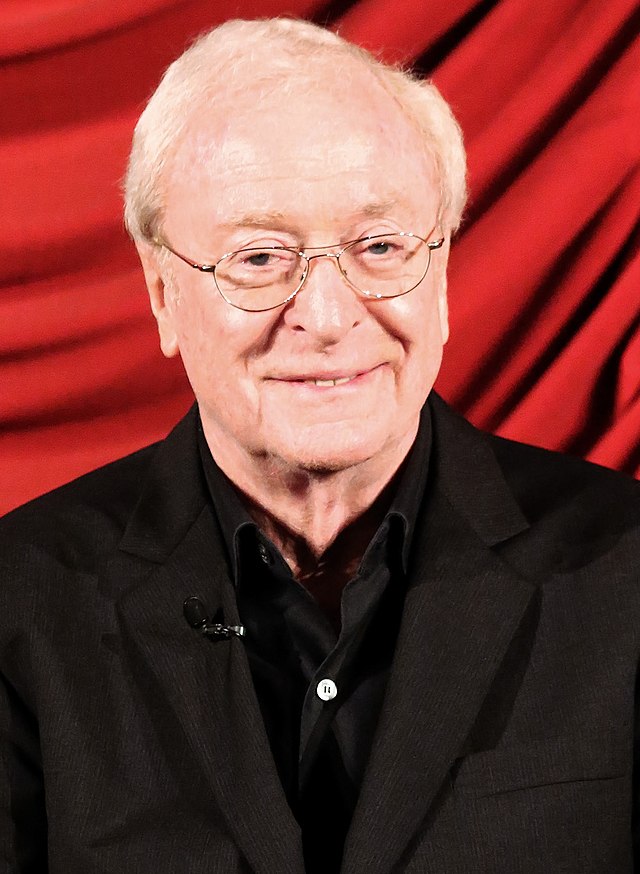
Sir Michael Caine, born Maurice Joseph Micklewhite on March 14, 1933, in London, England, is one of the most distinguished and beloved actors of his generation. His career, which spans over seven decades, is marked by versatility, charm, and an enduring presence in the film industry. From humble beginnings to becoming a knighted actor, Caine’s journey is a testament to his talent, perseverance, and dedication to his craft. This article delves into the life, career, and legacy of Michael Caine, providing insights into the man behind the iconic roles and exploring the nuances of his illustrious career.
Early Life and Struggles
Michael Caine was born in the tough neighborhood of Rotherhithe, London, to a working-class family. His father, Maurice Joseph Micklewhite Sr., was a fish market porter, and his mother, Ellen Frances Marie, was a cook and charwoman. The harsh realities of his upbringing in wartime London, including the devastating impact of the Blitz, played a significant role in shaping Caine’s character and worldview.
At 18, Caine left school and briefly pursued a career in the military, serving during the Korean War. His experiences during the war left a lasting impact on him, influencing his later performances in war films and instilling in him a strong work ethic and sense of discipline. After his military service, Caine decided to pursue his passion for acting, despite the challenges of breaking into the industry with no formal training and a thick Cockney accent that was far from the standard for leading men in British cinema at the time.
The Road to Stardom
Caine’s early years as an actor were marked by struggle and perseverance. He took on a variety of small roles in theater and television, gradually building his reputation. His first significant break came in 1964 when he was cast as Lieutenant Gonville Bromhead in “Zulu,” a historical war film that became a major success. However, it was his portrayal of Harry Palmer, a working-class spy in “The Ipcress File” (1965), that truly catapulted him to stardom. The role showcased Caine’s ability to blend toughness with charm and established him as a new kind of British leading man—one who was relatable, down-to-earth, and unafraid to break away from the traditional suave, upper-class hero archetype.
Following the success of “The Ipcress File,” Caine starred in “Alfie” (1966), a role that earned him his first Academy Award nomination. As Alfie Elkins, a charming but morally ambiguous playboy, Caine delivered a performance that was both charismatic and deeply nuanced. The film not only solidified his status as a leading actor but also became a cultural touchstone, capturing the spirit of the Swinging Sixties in London.
A Versatile Career: The 1970s and Beyond
The 1970s saw Michael Caine cementing his status as a major Hollywood star. He starred in a series of successful films, including “Get Carter” (1971), a gritty crime thriller that has since become a cult classic, and “Sleuth” (1972), where he held his own against acting legend Laurence Olivier. Caine’s performance in “Sleuth” earned him another Academy Award nomination, further establishing his reputation as one of the finest actors of his generation.
Throughout the decade, Caine continued to take on a wide variety of roles, demonstrating his remarkable versatility. From the swashbuckling adventurer in John Huston’s “The Man Who Would Be King” (1975) to the emotionally complex husband in “The Romantic Englishwoman” (1975), Caine proved that he could tackle any genre with ease.
However, Caine was not immune to the pitfalls of Hollywood, and during the 1980s, his career was marked by a mix of critically acclaimed performances and less successful projects. Despite this, he delivered one of his most celebrated performances in Woody Allen’s “Hannah and Her Sisters” (1986), where he played the role of an adulterous husband. The performance earned Caine his first Academy Award for Best Supporting Actor.
In 1999, Caine won his second Academy Award for Best Supporting Actor for his role as Dr. Wilbur Larch in “The Cider House Rules,” directed by Lasse Hallström. The film, which dealt with complex themes such as abortion and moral responsibility, allowed Caine to showcase his ability to convey deep empathy and wisdom through his characters.
Knighted and Celebrated: The Honors and Legacy
Michael Caine’s contributions to cinema have been recognized with numerous awards and honors. In 1993, he was appointed a Commander of the Order of the British Empire (CBE) for his services to drama. Seven years later, in 2000, he was knighted by Queen Elizabeth II, becoming Sir Maurice Micklewhite in honor of his birth name. This honor was a recognition not only of his acting achievements but also of his status as a cultural icon who had brought the world’s attention to British cinema.
Caine’s career did not slow down with age. In the 2000s, he became a key collaborator with director Christopher Nolan, appearing in several of Nolan’s most successful films, including “Batman Begins” (2005), “The Prestige” (2006), and “The Dark Knight” (2008). His portrayal of Alfred Pennyworth, Bruce Wayne’s loyal butler, brought a new depth to the character, blending warmth, wisdom, and a fatherly concern for the troubled superhero.
In addition to his work with Nolan, Caine continued to take on a variety of roles in both independent and blockbuster films. His ability to move seamlessly between different genres and budgets is a testament to his enduring appeal and versatility as an actor.
A Life in Perspective: Beyond the Screen
Beyond his film career, Michael Caine is also known for his wit, humility, and sharp insights into the film industry. He has authored several books, including his autobiographies “What’s It All About?” (1992) and “The Elephant to Hollywood” (2010), in which he offers candid reflections on his life and career. Caine’s ability to connect with audiences, both on and off the screen, has made him a beloved figure not only in the UK but around the world.
Caine’s personal life has been marked by stability and enduring love. After a brief first marriage to actress Patricia Haines, Caine married Shakira Baksh in 1973, a marriage that has lasted for over four decades. Together, they have a daughter, Natasha, and have shared a life away from the Hollywood spotlight, grounded in family values and mutual respect.
The Legacy of Michael Caine
Michael Caine’s impact on cinema is immeasurable. With over 130 films to his name, he has not only proven his extraordinary talent but also his ability to remain relevant across multiple generations of filmmakers and audiences. His career has spanned the transition from the golden age of British cinema to the modern era of global blockbusters, and throughout it all, Caine has remained a constant presence—a symbol of both the glamour and the grit of the acting profession.
Caine’s legacy is one of perseverance and adaptability. He has managed to avoid being typecast, reinventing himself time and again to fit the changing tastes of the film industry. His commitment to his craft, combined with his distinctive voice and screen presence, ensures that he will be remembered as one of the greatest actors of all time.
Conclusion
Michael Caine’s journey from the working-class neighborhoods of London to the heights of Hollywood stardom is a remarkable story of talent, hard work, and resilience. His career is a testament to the power of perseverance and the importance of staying true to one’s roots, even in the face of immense success. As an actor, Caine has left an indelible mark on the film industry, with performances that continue to resonate with audiences around the world.
In a career filled with iconic roles, awards, and honors, Michael Caine has not only entertained millions but has also inspired countless actors and filmmakers. His legacy will continue to influence the world of cinema for generations to come, reminding us all of the enduring power of great storytelling and the timeless appeal of a true cinematic legend.


