
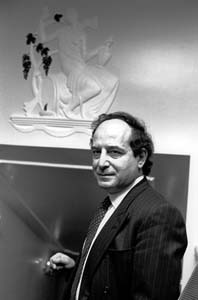
Roberto Calasso, born on May 30, 1941, in Florence, Italy, was one of the most influential literary figures of the 20th and early 21st centuries. Known for his work as a publisher, writer, and intellectual, Calasso left an indelible mark on the world of literature and publishing. His life and career were defined by a deep commitment to the art of storytelling and a profound understanding of myth, history, and culture. This article explores the life, achievements, and lasting legacy of Roberto Calasso, offering insights into his contributions to literature and the publishing industry.
Early Life and Education
Roberto Calasso was born into a family with a rich intellectual heritage. His father, Francesco Calasso, was a law professor, and his mother, Melisenda Codignola, was the daughter of a prominent publisher. This environment fostered a deep love for books and learning in young Roberto, who was drawn to literature from an early age. He attended the prestigious “Liceo Classico” in Florence, where he received a classical education that would later influence his literary pursuits.
After completing his secondary education, Calasso enrolled at the University of Rome, where he studied literature and philosophy. He graduated with a degree in English literature, writing a thesis on the works of Sir Thomas Browne, a 17th-century English polymath known for his explorations of science, religion, and the mysteries of existence. This early focus on esoteric and complex subjects would become a hallmark of Calasso’s later work as both a writer and a publisher.
The Beginning of a Literary Career
Roberto Calasso’s literary career began in earnest when he joined the Milan-based publishing house Adelphi Edizioni in 1962 at the age of 21. Adelphi, founded by Luciano Foà and Roberto Olivetti, was known for its commitment to high-quality literature, philosophy, and the humanities. Calasso quickly became a central figure at the publishing house, working closely with some of the most important writers and thinkers of the time.
In 1971, Calasso was appointed editorial director of Adelphi, a role that allowed him to shape the publishing house’s direction and influence the broader literary landscape. Under his leadership, Adelphi became synonymous with intellectual rigor and literary excellence, publishing works by authors such as Jorge Luis Borges, Vladimir Nabokov, Elias Canetti, and Bruce Chatwin. Calasso’s keen eye for talent and his ability to curate a diverse and thought-provoking catalog made Adelphi one of the most respected publishing houses in Europe.
The Rise to Prominence: Key Works and Intellectual Contributions
While Roberto Calasso is perhaps best known for his role as a publisher, he was also a prolific writer and thinker in his own right. His literary works are characterized by a deep engagement with myth, history, and philosophy, often blending these elements in innovative and challenging ways.
Calasso’s first major work, “L’impuro folle” (1974), set the tone for his future explorations. However, it was with “La rovina di Kasch” (1983) that Calasso truly established himself as a significant literary voice. This book, which examines the collapse of traditional structures and the rise of modernity through the lens of the French Revolution and the figure of Talleyrand, is a dense and intricate work that defies easy categorization. Part history, part myth, and part philosophical meditation, “La rovina di Kasch” is representative of Calasso’s unique approach to literature, one that refuses to draw clear lines between genres or disciplines.
In 1988, Calasso published “Le nozze di Cadmo e Armonia” (The Marriage of Cadmus and Harmony), a book that became a bestseller and was translated into multiple languages. This work delves into Greek mythology, recounting the myths of gods and heroes while simultaneously exploring their relevance to contemporary life. The book was praised for its erudition and its ability to make ancient myths resonate with modern readers.
Other significant works by Calasso include “Ka” (1996), which explores Indian mythology, and “Il rosa Tiepolo” (2006), a meditation on the Venetian painter Giovanni Battista Tiepolo. Throughout his career, Calasso continued to write books that challenged readers to think deeply about the connections between past and present, myth and reality, and the individual and the cosmos.
A Publisher with a Vision: The Legacy of Adelphi
As the driving force behind Adelphi, Roberto Calasso was not just a publisher but a cultural curator. His editorial choices reflected his belief that literature should be a means of exploring the deepest questions of human existence. Under his guidance, Adelphi published works that might have been considered too obscure or difficult by other publishers, yet these works found an appreciative audience among readers who sought more than just entertainment from their books.
Calasso’s influence extended beyond the books he published. He was a mentor to younger writers and editors, many of whom went on to have significant careers in their own right. His commitment to intellectual and artistic excellence set a standard that few could match, and his impact on the publishing world was profound.
In addition to his work at Adelphi, Calasso was a “visitor professor” at the University of Oxford, where he held the Weidenfeld Chair in Comparative European Literature. This position allowed him to share his knowledge and insights with students and scholars, further cementing his reputation as one of the foremost literary minds of his generation.
Later Years and Continued Influence
Roberto Calasso continued to write and publish well into his later years. His works became increasingly reflective, as he sought to distill the wisdom he had gained over decades of engagement with literature and philosophy. Books like “L’ardore” (2010) and “Il Cacciatore Celeste” (2016) are marked by a contemplative tone, as Calasso grappled with the themes of transcendence, mortality, and the human condition.
In “L’impronta dell’editore” (2013), Calasso offered a glimpse into his philosophy of publishing, discussing the role of the editor and the challenges of maintaining intellectual integrity in a commercialized world. This book is a valuable resource for anyone interested in the art of publishing and the responsibilities of those who curate the cultural and intellectual life of a society.
Even as he approached the end of his life, Calasso remained active in the literary world. His final works, including “Il libro di tutti i libri” (2019) and “Come ordinare una biblioteca” (2020), reflect his lifelong commitment to exploring the connections between literature, history, and the human experience.
Death and Legacy
Roberto Calasso passed away on July 29, 2021, in Milan, at the age of 80. His death marked the end of an era for Italian literature and publishing, but his legacy lives on through the many books he wrote and published. Calasso’s work continues to be studied and admired by readers and scholars around the world, and his influence on the publishing industry is still felt today.
Calasso’s life and career were a testament to the power of literature to shape our understanding of the world. He believed in the importance of myth and history as tools for making sense of the present, and he dedicated his life to ensuring that the most challenging and thought-provoking works of literature were made available to readers.
Conclusion
Roberto Calasso was a towering figure in the world of literature and publishing. His contributions as a writer, editor, and publisher have left an indelible mark on the cultural landscape, not just in Italy, but globally. Through his work at Adelphi, Calasso helped to elevate the standards of literary publishing, showing that there was a place in the world for books that demanded deep thought and engagement from their readers.
His own writings, characterized by a unique blend of myth, history, and philosophy, continue to inspire and challenge readers. Calasso’s legacy is one of intellectual rigor, artistic excellence, and an unwavering commitment to the power of literature to illuminate the human condition. As both a creator and a curator of culture, Roberto Calasso’s impact will be felt for generations to come.


