
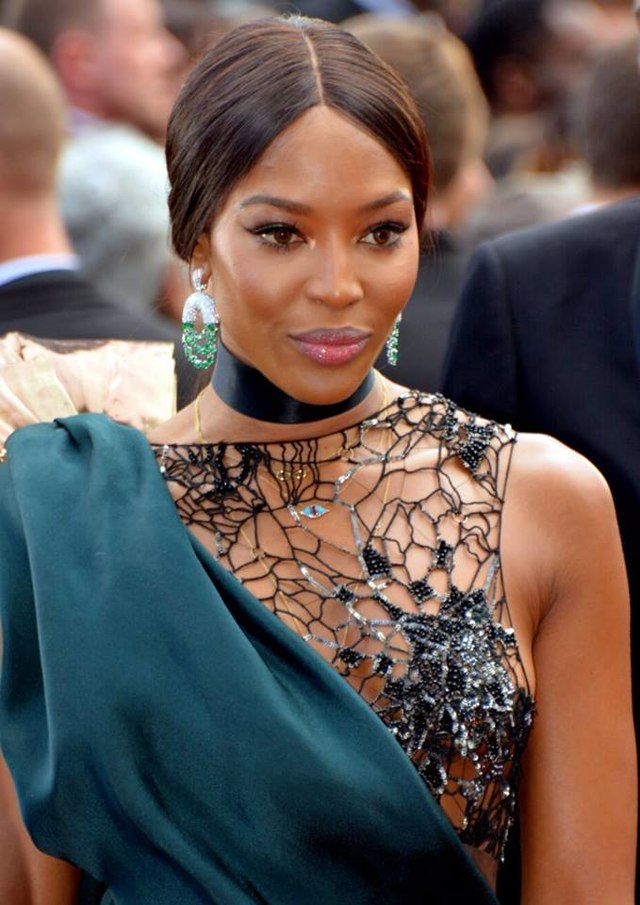
Naomi Campbell is a name synonymous with fashion, beauty, and a legacy that has transcended the catwalks of the world. Born on May 22, 1970, in London, Naomi Campbell has carved out a place for herself as one of the most iconic and influential supermodels of all time. Often referred to as the “Black Venus” or “Venus nera,” she broke barriers and set new standards in the fashion industry. Over the course of her career, Campbell has become much more than just a model; she is a cultural icon whose influence spans fashion, music, and activism.
Early Life and Rise to Fame
Naomi Campbell’s journey to stardom began in the vibrant, multicultural atmosphere of London. She was discovered at the tender age of 15 while shopping in Covent Garden. Her striking beauty, characterized by her dark brown eyes and statuesque figure, quickly caught the attention of the fashion world. By the late 1980s, Campbell had already established herself as one of the most sought-after models in the industry.
Her early rise to fame was marked by a series of groundbreaking achievements. In August 1988, Naomi became the first Black woman to appear on the cover of French Vogue, a significant milestone in a predominantly white industry. She repeated this feat by gracing the covers of British Vogue and Time magazine, further cementing her status as a trailblazer in the fashion world.
The Supermodel Era and Beyond
The 1990s saw Naomi Campbell at the peak of her career, where she, along with contemporaries like Cindy Crawford, Claudia Schiffer, and Linda Evangelista, defined the era of the “supermodel.” These women were not just models; they were celebrities, commanding high fees and appearing in major advertising campaigns, music videos, and even films.
Naomi’s presence on the runway was electrifying. She was known for her commanding walk, often described as the “Panther Strut,” which became her signature. Her versatility allowed her to work with a wide range of designers, from the avant-garde creations of Jean-Paul Gaultier to the classic elegance of Valentino. Despite her success, Campbell often faced challenges due to her race, with some designers and brands initially reluctant to book her for major shows and campaigns. However, her undeniable talent and perseverance helped her to break down these barriers, paving the way for greater diversity in the industry.
A Multifaceted Career
Naomi Campbell’s influence extends far beyond modeling. She has successfully ventured into other areas of entertainment, including acting, music, and reality television. Her film and television appearances include roles in Miami Rhapsody and guest spots on shows like The Cosby Show. She also made a memorable appearance in the music video for Michael Jackson’s hit song “In the Closet,” directed by Herb Ritts, and featured in George Michael’s “Freedom! ’90” video alongside other top models.
Campbell also tried her hand at music, releasing an album titled Baby Woman in 1994. While the album did not achieve commercial success, it showcased her willingness to explore new creative avenues. Her reality television show, The Face, which she also executive produced, allowed her to share her modeling expertise with a new generation of aspiring models.
Personal Life and Challenges
Naomi Campbell’s life has been as dramatic off the runway as it has been on it. Known for her fiery temper and strong-willed personality, she has often been the subject of tabloid headlines. Her relationships with high-profile figures such as Mike Tyson, Robert De Niro, and Flavio Briatore have kept her in the public eye, while her friendships with designers like Gianni Versace and Azzedine Alaïa have solidified her status as a fashion icon.
However, Campbell’s personal life has also been marked by struggles. In the late 1990s and early 2000s, she battled addiction to drugs and alcohol. She entered a rehabilitation program in 1999 after years of substance abuse. In a candid interview in 2005, Campbell reflected on this dark period of her life, stating, “I was having fun. I was living this life traveling the world and having people give me everything. But drugs are very bad.”
Her struggles with addiction became public when British tabloid Daily Mirror published a story in 2002 detailing her attendance at Narcotics Anonymous meetings. Campbell sued the newspaper for invasion of privacy, and the case went through multiple appeals, highlighting the complex relationship between celebrities and the media.
Philanthropy and Activism
Despite her personal challenges, Naomi Campbell has used her platform to give back and support causes close to her heart. She is a passionate advocate for various humanitarian causes, particularly those related to children, poverty, and diversity in the fashion industry.
One of her most notable philanthropic efforts is her involvement with Fashion for Relief, a charity fashion show that she founded in 2005 in response to Hurricane Katrina. The event has since become an annual fixture, raising millions of dollars for various causes, including disaster relief, healthcare, and education.
Campbell has also been a vocal advocate for diversity and inclusion in the fashion industry. She has consistently called out the lack of representation of Black models on runways and in campaigns, using her influence to push for change. Her efforts have helped to open doors for a new generation of models of color, making the fashion industry more inclusive and reflective of the world’s diversity.
The New Millennium: Reinvention and Resilience
As the fashion industry evolved, so did Naomi Campbell. The new millennium saw her transition from supermodel to cultural icon, with her influence extending into fashion, business, and media. Despite being in her 50s, Campbell continues to be a dominant force in the industry, walking in shows for major designers and appearing on magazine covers.
Her resilience and ability to reinvent herself have been key to her longevity in a notoriously fickle industry. Campbell’s return to the runway for Valentino’s Spring 2019 show was a momentous occasion, proving that her appeal is timeless. She has also embraced social media, using platforms like Instagram to connect with fans and share insights into her life and career.
In 2021, Campbell surprised the world by announcing the birth of her first child, a daughter, at the age of 51. Two years later, she welcomed a son. Both events were shrouded in mystery, with Campbell keeping the details of her children’s birth and the identity of their father private. This decision reflects her desire to maintain some aspects of her personal life away from the media spotlight, despite her public persona.
Naomi Campbell’s Legacy
Naomi Campbell’s impact on the fashion industry and popular culture is undeniable. She has shattered countless barriers and set new standards for what it means to be a supermodel. Her influence goes beyond fashion, encompassing music, film, and philanthropy. Campbell’s career is a testament to her talent, resilience, and determination to succeed, even in the face of adversity.
Today, Naomi Campbell is more than just a supermodel; she is a symbol of strength, beauty, and empowerment. Her legacy is one of breaking down barriers, both in fashion and in society. As a trailblazer for diversity, Campbell has inspired countless individuals to pursue their dreams, regardless of the obstacles they may face.
Her continued success and relevance in an ever-changing industry are a testament to her adaptability and enduring appeal. Naomi Campbell’s story is one of triumph over adversity, and her influence will undoubtedly continue to be felt for generations to come.
In a world that often tries to box individuals into predefined roles, Naomi Campbell has consistently defied expectations, proving that true success lies in being unapologetically oneself. Her life and career serve as a powerful reminder that with talent, determination, and a willingness to break the mold, anything is possible.


