
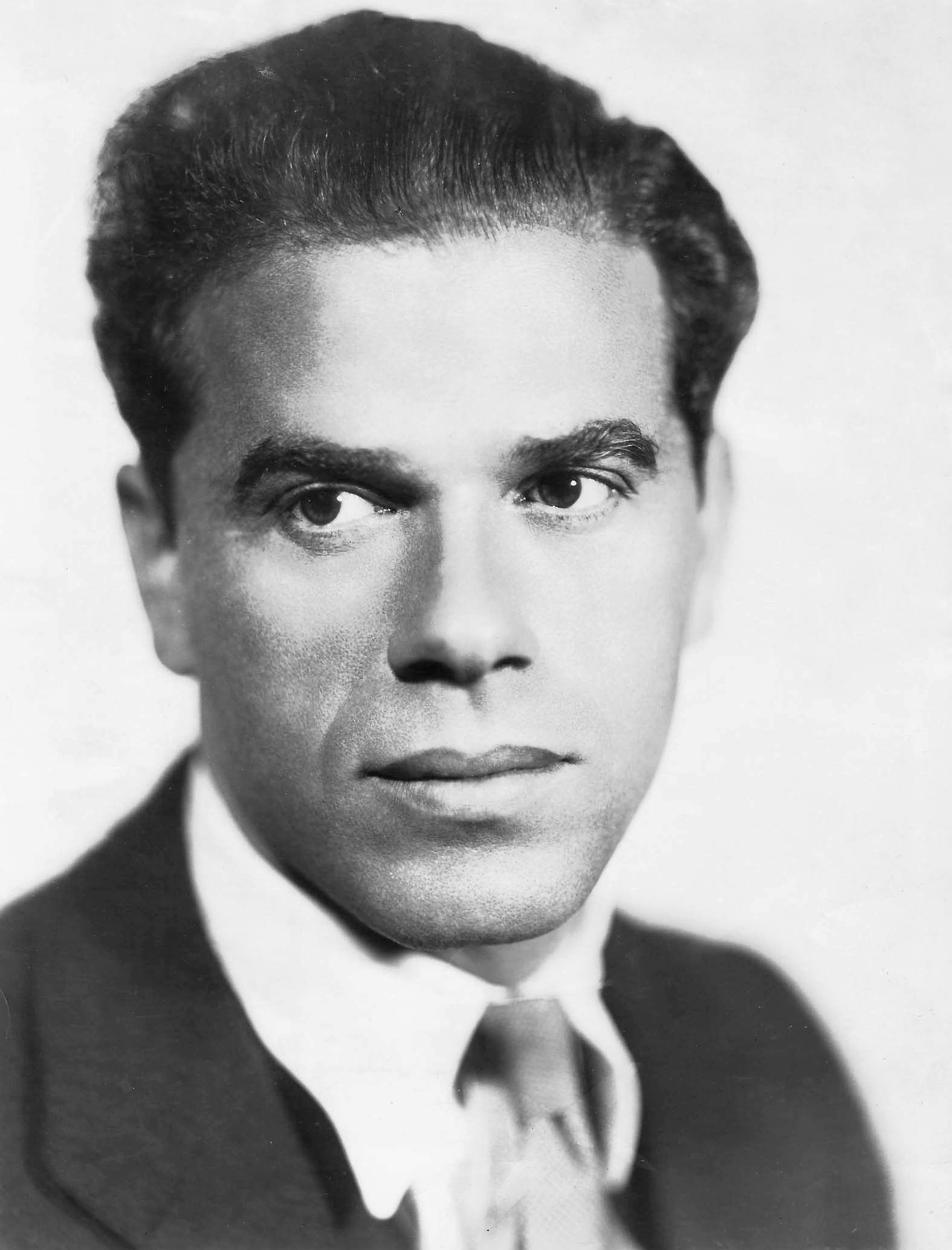
Frank Capra, born Francesco Rosario Capra on May 18, 1897, in Bisacquino, Sicily, is a towering figure in the history of American cinema. His journey from a small Sicilian village to becoming one of Hollywood’s most revered directors is a story of determination, talent, and the quintessential American Dream. Capra’s films, known for their optimistic and populist themes, resonated deeply with audiences during the Great Depression and World War II, earning him a place among the most celebrated filmmakers of the 20th century.
In this comprehensive exploration, we delve into Frank Capra’s life, his rise to fame, the themes that defined his work, and his lasting legacy in the world of cinema.
Early Life and Immigration to America
Frank Capra was born into a modest family in Bisacquino, a small town in the province of Palermo, Sicily. The youngest of seven children, Capra’s early life was marked by poverty and hardship. His father, Salvatore Capra, was a fruit picker, and the family struggled to make ends meet. In 1903, when Frank was just six years old, the Capra family made the momentous decision to emigrate to the United States in search of a better life. They settled in Los Angeles, California, where the young Capra would begin his American journey.
The immigrant experience had a profound impact on Capra. He was acutely aware of the challenges faced by newcomers to America, and this awareness would later inform the themes of his films. Capra attended Manual Arts High School in Los Angeles, where he developed a love for literature and science. After graduating, he enrolled at the California Institute of Technology, earning a degree in chemical engineering in 1918. However, it was in the world of cinema, not engineering, that Capra would find his true calling.
Entry into the World of Cinema
Frank Capra’s entry into the film industry was anything but conventional. After a brief stint in the U.S. Army during World War I, Capra found himself struggling to make a living in post-war America. He worked a series of odd jobs before landing his first role in the film industry as a gag writer for Hal Roach’s “Our Gang” series, a popular collection of comedy shorts featuring child actors.
Capra’s early career in Hollywood was marked by perseverance and versatility. He worked as a jack-of-all-trades on various film sets, gaining experience in every aspect of filmmaking. His big break came in 1922 when he directed his first short film, “Fultah Fisher’s Boarding House.” This initial foray into directing led to more opportunities, and Capra quickly established himself as a talented and efficient filmmaker.
In the late 1920s, Capra began directing feature films, starting with “The Strong Man” (1926), which was followed by a series of silent comedies. His early work was characterized by a keen sense of timing, a knack for visual storytelling, and an ability to work within the tight budgets and schedules that were typical of the time. These qualities would serve him well as he transitioned into the sound era of filmmaking.
The Rise to Fame: The Golden Age of Frank Capra
The 1930s marked the beginning of what is often referred to as the “Golden Age” of Frank Capra’s career. During this decade, Capra directed a series of films that would not only define his career but also leave an indelible mark on American cinema. His work during this period is characterized by a unique blend of comedy, drama, and social commentary, with a recurring focus on the triumph of the common man.
One of Capra’s earliest successes was “It Happened One Night” (1934), a screwball comedy that became a massive hit and earned Capra his first Academy Award for Best Director. The film also swept the Oscars, winning Best Picture, Best Actor (Clark Gable), Best Actress (Claudette Colbert), and Best Screenplay. This unprecedented achievement solidified Capra’s reputation as one of Hollywood’s leading directors.
Capra’s films from this era often depicted ordinary people facing extraordinary challenges. His protagonists were typically underdogs who, through courage and integrity, overcame adversity. This theme resonated with audiences during the Great Depression, a time when many Americans were struggling to make ends meet. Capra’s optimistic outlook and belief in the inherent goodness of people provided a much-needed sense of hope and reassurance.
Films such as “Mr. Deeds Goes to Town” (1936), “You Can’t Take It with You” (1938), and “Mr. Smith Goes to Washington” (1939) exemplify Capra’s populist approach to filmmaking. These movies celebrated the values of honesty, hard work, and community, while also critiquing the corruption and greed that Capra saw as pervasive in society. “Mr. Smith Goes to Washington,” in particular, became a cultural touchstone, highlighting the power of the individual to effect change in the face of systemic corruption.
War and Post-War Years: The Changing Landscape of Hollywood
As World War II loomed, Capra’s career took a patriotic turn. He enlisted in the U.S. Army in 1941 and was commissioned as a major. Capra was tasked with creating a series of propaganda films aimed at educating American soldiers and boosting morale. The result was the “Why We Fight” series, a collection of seven documentaries that explained the reasons behind the United States’ involvement in the war. The first film in the series, “Prelude to War” (1942), won the Academy Award for Best Documentary.
The war years were a time of great change for Capra and the world at large. The experience of creating propaganda films deeply influenced Capra’s view of cinema as a tool for shaping public opinion and promoting social good. However, the end of the war also marked the beginning of a challenging period in Capra’s career.
The post-war era brought significant changes to the film industry. The rise of television, the decline of the studio system, and changing audience tastes all contributed to a shift in Hollywood’s landscape. Capra’s first post-war film, “It’s a Wonderful Life” (1946), initially received a lukewarm response at the box office. However, over time, the film gained a reputation as a beloved holiday classic and is now considered one of the greatest films ever made.
“It’s a Wonderful Life” encapsulates many of the themes that define Capra’s work: the value of community, the importance of family, and the idea that every individual has the power to make a difference. The film’s protagonist, George Bailey, played by James Stewart, is an everyman who sacrifices his dreams for the good of others, only to realize in the end that his life has been rich and meaningful in ways he never imagined. This message of hope and redemption continues to resonate with audiences today.
Later Years and Legacy
As the 1950s dawned, Frank Capra found it increasingly difficult to adapt to the changing dynamics of Hollywood. His style of filmmaking, which had been so successful during the 1930s and 1940s, began to fall out of favor with audiences and critics alike. Capra directed a few more films, including “State of the Union” (1948) and “Pocketful of Miracles” (1961), but these did not achieve the same level of success as his earlier work.
In the mid-1950s, Capra turned his attention to television, directing a series of scientific documentaries. Despite the shift in medium, Capra’s commitment to using film as a means of education and inspiration remained unchanged. However, by the early 1960s, Capra had largely retired from filmmaking, choosing to spend his later years in relative seclusion.
Frank Capra passed away on September 3, 1991, at the age of 94. His death marked the end of an era, but his films continue to be celebrated for their timeless messages and their impact on American culture. Capra’s ability to blend humor, emotion, and social commentary in a way that was both accessible and profound set him apart as a filmmaker. His influence can be seen in the work of directors like Steven Spielberg, Ron Howard, and others who have drawn inspiration from Capra’s unique storytelling style.
Frank Capra’s Enduring Influence on Cinema
Frank Capra’s legacy is one of optimism, humanism, and a deep belief in the power of the individual to effect positive change. His films reflect a uniquely American perspective, celebrating the virtues of democracy, hard work, and community, while also acknowledging the challenges and contradictions of the American experience.
Capra’s influence extends beyond the realm of cinema. His work has been referenced in political discourse, studied in academic settings, and embraced by audiences of all ages. Films like “It’s a Wonderful Life” have become cultural touchstones, offering viewers a sense of comfort and hope in times of uncertainty.
In the context of modern cinema, Capra’s work serves as a reminder of the power of storytelling to inspire and uplift. His films encourage us to look for the good in others, to stand up for what is right, and to believe in the possibility of a better world. These themes are as relevant today as they were during Capra’s lifetime, making his work not just a reflection of the past, but a beacon for the future.
In conclusion, Frank Capra was more than just a filmmaker; he was a visionary who understood the potential of cinema to shape society. His films continue to resonate with audiences around the world, offering timeless lessons about love, sacrifice, and the enduring power of the human spirit. Capra’s life and work embody the essence of the American Dream, reminding us that with determination and a belief in the goodness of others, anything is possible.


