
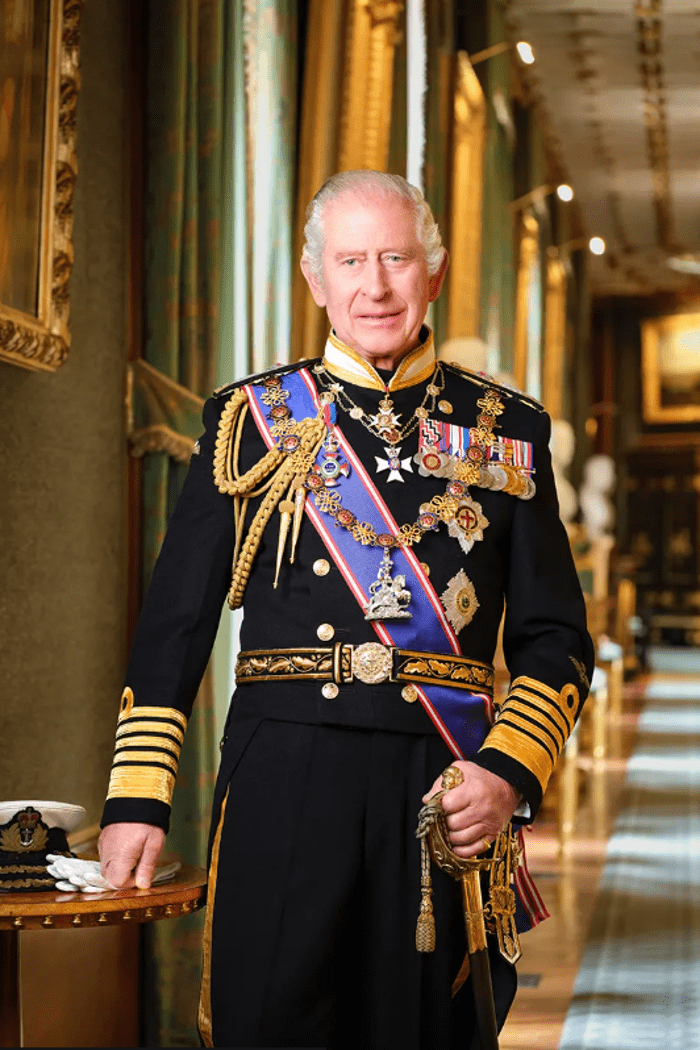
Carlo III, formerly known as Charles Philip Arthur George, Prince of Wales, and now King Charles III, is a figure of immense historical significance in British and global history. Born on November 14, 1948, in Buckingham Palace, London, Charles has been in the public eye for most of his life as the eldest son of Queen Elizabeth II and Prince Philip, Duke of Edinburgh. His journey from prince to king has been marked by numerous personal and public milestones that have shaped his legacy. In this comprehensive article, we will explore his life, rise to the throne, and the key events that have defined his long career.
Early Life and Education
Charles was born into the royal family at a time when the British Empire was transitioning into the Commonwealth of Nations. His early life was characterized by the privileges and responsibilities that come with being the heir apparent to the British throne. At the age of four, following his mother’s ascension to the throne in 1952, Charles automatically became the Duke of Cornwall, making him the heir apparent and the next in line for the throne.
Charles’s education was comprehensive and rigorous. He attended Gordonstoun School in Scotland, an institution known for its demanding curriculum and emphasis on character-building. His time at Gordonstoun was challenging, as the school’s strict discipline contrasted with the pampered environment of the royal household. Despite these challenges, Charles persevered and went on to attend Trinity College, Cambridge, where he studied archaeology, anthropology, and history. Notably, Charles also took the time to learn Welsh at the University College of Wales in Aberystwyth, an effort that reflected his commitment to understanding and representing all parts of the United Kingdom.
The Prince of Wales
On July 26, 1958, Charles was formally made Prince of Wales and Earl of Chester, a title traditionally given to the heir apparent of the British throne. His investiture took place on July 1, 1969, at Caernarfon Castle in Wales, in a ceremony that was broadcast to millions around the world. The investiture was a significant moment, symbolizing Charles’s formal acceptance of his role as the future king.
As the Prince of Wales, Charles was not only expected to fulfill ceremonial duties but also to take on a range of responsibilities that would prepare him for kingship. He became increasingly involved in various aspects of public life, including charity work, environmental conservation, and cultural promotion. Charles founded The Prince’s Trust in 1976, an organization dedicated to improving the lives of disadvantaged young people in the UK. The trust has since grown into one of the UK’s leading youth charities, helping thousands of young people to start businesses, gain education, and find employment.
Marriage to Diana Spencer
One of the most significant events in Charles’s life was his marriage to Lady Diana Spencer on July 29, 1981. The wedding, held at St. Paul’s Cathedral, was a global spectacle watched by millions of people. Diana, who became the Princess of Wales, quickly captured the public’s imagination with her grace, style, and humanitarian work. Together, Charles and Diana had two sons, Prince William, born on June 21, 1982, and Prince Harry, born on September 15, 1984.
However, the marriage was troubled from the start. The pressures of public life, along with personal differences, led to a very public and acrimonious separation in December 1992, followed by a divorce on August 28, 1996. The marriage’s breakdown was a source of great scandal and media scrutiny, casting a shadow over Charles’s public image. Despite the personal turmoil, both Charles and Diana continued their charitable work, with Diana becoming one of the most beloved figures in the world until her tragic death in a car accident in Paris on August 31, 1997.
Relationship with Camilla Parker-Bowles
After his divorce from Diana and her subsequent death, Charles’s relationship with Camilla Parker-Bowles, whom he had known for many years, became public knowledge. Camilla had been a close friend and confidante to Charles, and their relationship was the subject of much controversy, given that it had reportedly continued during his marriage to Diana. Over time, however, public opinion began to soften, and the couple gradually became more accepted by the public.
On April 9, 2005, Charles and Camilla were married in a civil ceremony at the Windsor Guildhall, followed by a blessing at St. George’s Chapel, Windsor Castle. Upon their marriage, Camilla received the title of Duchess of Cornwall. Despite initial reservations from the public and the Church of England, the marriage was seen as a personal victory for Charles, who had long struggled to reconcile his public duties with his private life.
Environmental Advocacy and Public Work
Throughout his life, Charles has been a passionate advocate for environmental conservation, organic farming, and sustainable development. His interest in these areas dates back to the 1970s, long before environmental issues became mainstream concerns. Charles has often been ahead of his time, advocating for policies and practices that promote sustainability and protect the environment.
In 1986, he established the Duchy Home Farm on his Highgrove estate, where he implemented organic farming practices. He has also been a vocal critic of genetically modified foods and has called for greater attention to the impacts of climate change. His work in these areas has earned him both praise and criticism, with some seeing him as a forward-thinking leader and others dismissing his views as out of touch with modern science.
In addition to his environmental work, Charles has also been involved in various cultural and architectural preservation projects. He founded the Prince’s Foundation, which promotes traditional building crafts and sustainable urban design. His interest in architecture has sometimes put him at odds with contemporary architects, especially when he has criticized modernist styles in favor of traditional design principles.
Ascension to the Throne
On September 8, 2022, following the death of Queen Elizabeth II, Charles ascended to the throne as King Charles III. His long wait to become king—over 70 years—was the longest in British history. Upon his ascension, Camilla was given the title of Queen Consort, reflecting her role as Charles’s wife and support.
Charles’s reign began at a time of significant change and uncertainty for the United Kingdom, with issues such as Brexit, the ongoing effects of the COVID-19 pandemic, and debates over the future of the British monarchy all coming to the fore. His coronation took place on May 6, 2023, in a ceremony steeped in tradition and attended by dignitaries from around the world.
As King, Charles III faces the challenge of modernizing the monarchy while maintaining the traditions that have defined it for centuries. He has indicated that he intends to continue his work on environmental issues, as well as supporting the Commonwealth and promoting unity within the United Kingdom.
Legacy and Historical Context
King Charles III’s legacy is one of dedication, resilience, and a commitment to service. Despite the numerous challenges he has faced—both personal and public—Charles has consistently sought to use his position to make a positive impact on society. His work in environmental conservation, his support for youth through The Prince’s Trust, and his efforts to preserve cultural heritage all speak to a life dedicated to public service.
Historically, Charles’s life and reign are significant not just for the length of his tenure as Prince of Wales, but for the way he has navigated the changing landscape of the British monarchy. He has been a bridge between the traditional role of the monarchy and the demands of a modern, diverse society. As King, he will continue to play a crucial role in shaping the future of the British royal family and its place in the world.
SEO Considerations
For those seeking information on King Charles III, key phrases to focus on include “King Charles III biography,” “Charles Prince of Wales,” “British monarchy history,” and “environmental advocacy by Charles.” Additionally, terms like “Charles and Diana marriage,” “Charles and Camilla relationship,” and “coronation of King Charles III” are essential for attracting readers interested in the broader historical context.
To optimize for search engines, it is important to maintain a keyword density of around 1-2%, ensuring that relevant terms such as “King Charles III’s reign,” “British royal family,” and “Prince of Wales legacy” are integrated naturally throughout the text. This approach will help improve the article’s visibility while ensuring it remains engaging and informative for readers.
In conclusion, King Charles III is a figure whose life and reign have been shaped by both tradition and modernity. His dedication to public service, his advocacy for environmental issues, and his role as a unifying figure in the British monarchy all contribute to a legacy that will be remembered for generations to come.


