
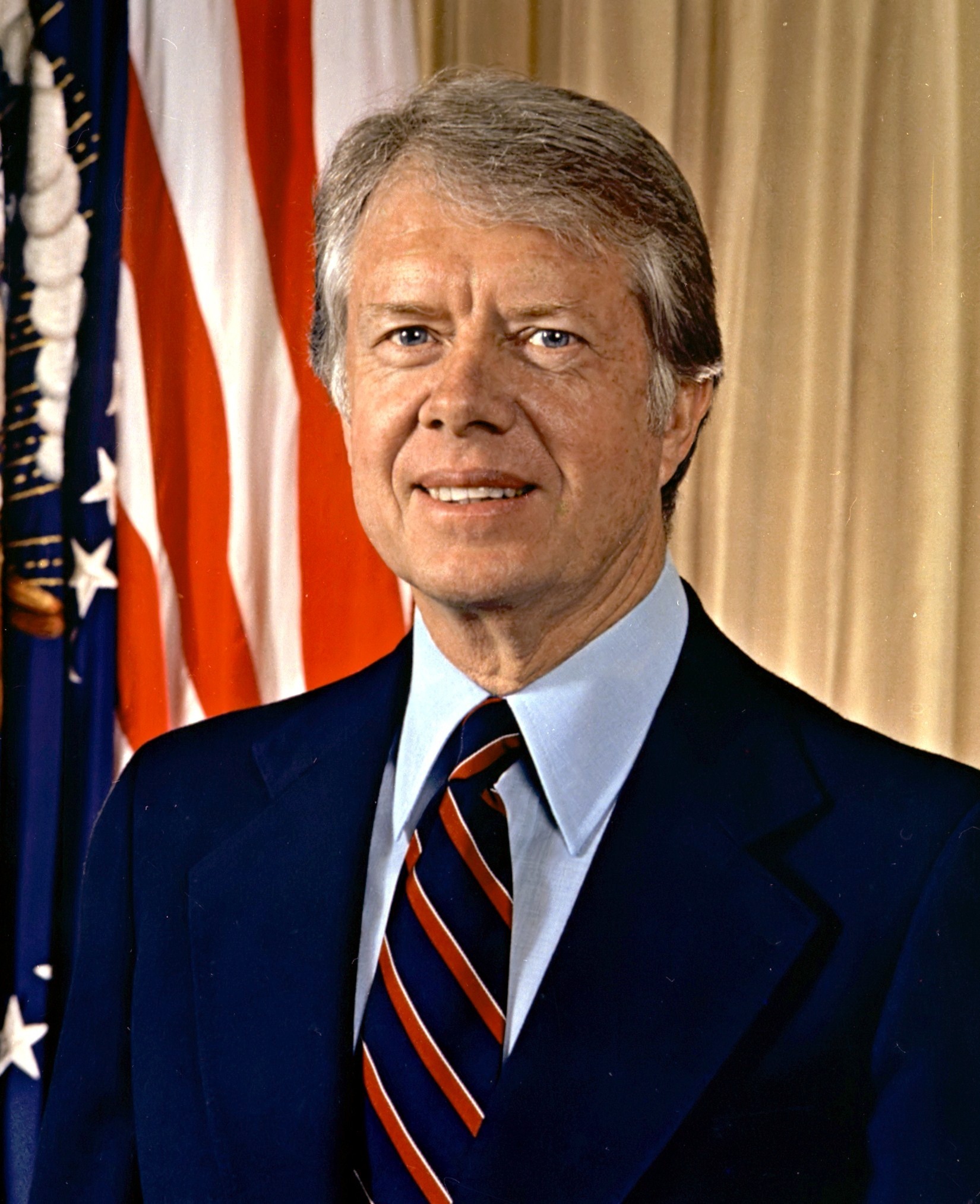
James Earl “Jimmy” Carter, born on October 1, 1924, in Plains, Georgia, is a prominent American figure whose influence has extended far beyond his presidency. As the 39th President of the United States, Carter’s tenure was marked by his focus on human rights, environmental stewardship, and efforts to achieve peace. After leaving office, Carter continued to impact the world through humanitarian work, earning a Nobel Peace Prize in 2002. This article delves into the life and legacy of Jimmy Carter, providing detailed insights into his early years, political career, post-presidency achievements, and enduring influence.
Early Life and Education
Jimmy Carter was born into a Baptist family in the small rural town of Plains, Georgia. His upbringing in a family with strong ties to agriculture instilled in him values of hard work, community service, and faith. These values would guide him throughout his life and career.
Carter’s academic journey began at the United States Naval Academy in Annapolis, Maryland, where he graduated in 1946. His time at the academy was formative, not only in terms of his education but also in shaping his sense of duty and leadership. It was during this period that Carter married Rosalynn Smith, who would become a steadfast partner in his personal and political life. Together, they would raise four children: John William, James Earl II, Donnel Jeffrey, and Amy Lynn.
After graduating from the Naval Academy, Carter embarked on a seven-year career in the United States Navy, where he served as an officer. His naval career provided him with valuable experience in leadership and problem-solving, skills that would prove essential in his later political endeavors. However, following the death of his father, Carter made the decision to return to Plains, Georgia, to manage the family peanut farming business.
This return to civilian life marked the beginning of Carter’s deep involvement in local and state politics. His experiences in Georgia, dealing with issues such as racial segregation and economic challenges, would heavily influence his political philosophy and his commitment to social justice.
Political Career: From Governor to President
Jimmy Carter’s political career began in earnest when he was elected to the Georgia State Senate in 1962. His tenure as a state senator was marked by his efforts to promote civil rights and improve education. Carter’s moderate stance on racial issues, coupled with his reputation for honesty and integrity, helped him gain political traction in a state deeply divided by segregation.
In 1970, Carter was elected Governor of Georgia. His governorship was notable for his focus on modernization, education reform, and environmental conservation. Carter’s emphasis on environmental issues was particularly forward-thinking at a time when ecological concerns were not yet at the forefront of American political discourse. He also made significant strides in reducing racial barriers, appointing African Americans to key state positions and advocating for civil rights.
Carter’s success as governor laid the groundwork for his presidential ambitions. In December 1974, he announced his candidacy for the Democratic nomination for President of the United States. Despite being relatively unknown on the national stage, Carter’s campaign gained momentum through his image as an outsider and a man of the people. His message of restoring trust in government resonated with voters disillusioned by the Watergate scandal.
The 1976 Presidential Election and Inauguration
Jimmy Carter’s campaign for the presidency was characterized by its grassroots nature and his emphasis on moral leadership. He positioned himself as a Washington outsider who could bring honesty and transparency to the federal government. His campaign slogan, “A Leader, For a Change,” reflected his commitment to restoring integrity to the presidency.
Carter secured the Democratic nomination and chose Senator Walter F. Mondale as his running mate. The general election was a hard-fought battle against the incumbent President Gerald Ford. Carter’s appeal to Southern voters, combined with his focus on human rights and social justice, helped him win the election with a narrow margin.
Carter was inaugurated as the 39th President of the United States on January 20, 1977. His presidency would be marked by both domestic and international challenges, as well as significant achievements in the areas of energy policy, human rights, and diplomacy.
Domestic Policy and Challenges
One of the central themes of Carter’s presidency was his commitment to energy conservation and environmental protection. In response to the energy crisis of the 1970s, Carter implemented a comprehensive energy policy aimed at reducing the United States’ dependence on foreign oil. His administration promoted energy efficiency, alternative energy sources, and the deregulation of natural gas prices. These efforts, though forward-thinking, were met with mixed results and faced significant opposition from various sectors.
Carter also sought to reform the federal government and improve its efficiency. He implemented measures to reduce government waste, streamline bureaucracy, and reform the civil service. Additionally, his administration worked to liberalize the airline and trucking industries, which led to increased competition and lower prices for consumers.
Despite these efforts, Carter’s presidency was plagued by economic difficulties, including high inflation, rising unemployment, and a sluggish economy. The combination of these economic challenges, coupled with a perceived lack of strong leadership, contributed to a decline in Carter’s popularity as his term progressed.
Foreign Policy: Human Rights and Peace Efforts
Jimmy Carter’s foreign policy was heavily influenced by his commitment to human rights and diplomacy. He believed that the United States should use its influence to promote human rights around the world, even if it meant challenging allies or adversaries. This approach was both praised and criticized, as it sometimes strained relations with other nations.
One of Carter’s most significant achievements in foreign policy was the Camp David Accords, a peace agreement between Egypt and Israel brokered by Carter in 1978. The accords, signed by Egyptian President Anwar Sadat and Israeli Prime Minister Menachem Begin, marked a historic step toward peace in the Middle East and earned Carter international acclaim.
Carter also played a key role in establishing diplomatic relations with the People’s Republic of China and negotiating the Panama Canal treaties, which eventually led to the transfer of control of the canal from the United States to Panama. Additionally, his administration negotiated the SALT II treaty with the Soviet Union, aimed at limiting nuclear arms. However, the treaty was never ratified due to the Soviet invasion of Afghanistan in 1979.
The Iran Hostage Crisis and the 1980 Election
The final years of Carter’s presidency were overshadowed by the Iran Hostage Crisis, which began in November 1979 when 52 American diplomats and citizens were taken hostage by Iranian militants at the U.S. Embassy in Tehran. The crisis, which lasted for 444 days, was a severe blow to Carter’s presidency and his efforts to secure the hostages’ release were unsuccessful until the very last day of his term.
The ongoing hostage crisis, combined with rising inflation and economic woes, contributed to Carter’s defeat in the 1980 presidential election. He lost to Ronald Reagan, a former actor and Governor of California, who promised a return to conservative values and a stronger economy.
Post-Presidency: Humanitarian Work and the Carter Center
After leaving the White House, Jimmy Carter did not retreat from public life. Instead, he dedicated himself to humanitarian efforts and global diplomacy. In 1982, he founded the Carter Center in Atlanta, Georgia, a nonprofit organization focused on promoting human rights, democracy, and global health. The Carter Center has been instrumental in advancing peace initiatives, monitoring elections, and combating diseases in some of the world’s most impoverished regions.
Carter’s post-presidency work has been widely recognized and praised. He became a global ambassador for peace and human rights, often serving as a mediator in international conflicts. His efforts in this arena culminated in him being awarded the Nobel Peace Prize in 2002. The Nobel Committee recognized Carter for his “decades of untiring effort to find peaceful solutions to international conflicts, to advance democracy and human rights, and to promote economic and social development.”
Legacy and Impact
Jimmy Carter’s legacy is one of complexity and enduring influence. As a president, he faced significant challenges and controversies, but his commitment to human rights, environmental protection, and diplomatic solutions left a lasting impact on both domestic and international policy. His post-presidency work, particularly through the Carter Center, has cemented his reputation as one of the most effective and respected former U.S. presidents.
Carter’s emphasis on ethical leadership, transparency, and the promotion of human rights continues to resonate in American politics and global diplomacy. His ability to transition from a contested presidency to a widely respected global figure speaks to his resilience, moral character, and dedication to public service.
Conclusion
Jimmy Carter’s life is a testament to the power of perseverance, moral conviction, and service to others. From his humble beginnings in rural Georgia to the highest office in the United States, Carter’s journey has been marked by a commitment to making the world a better place. His legacy as a champion of human rights, a steward of the environment, and a peacemaker will continue to inspire future generations.
As the oldest living former president, Carter’s life and work remain a powerful example of how leadership extends beyond political office. His post-presidency achievements, particularly through the Carter Center, demonstrate the enduring impact one individual can have on the global stage.


