
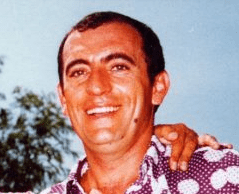
Raoul Casadei, born on August 15, 1937, in Gatteo, Italy, is a legendary figure in the world of Italian music, particularly known for his contributions to the genre of “liscio.” As the leader of the Casadei Orchestra, which he inherited from his uncle, Secondo Casadei, Raoul transformed the ensemble into a national sensation. His work has left an indelible mark on Italian culture, particularly in the region of Romagna, where his music became synonymous with joy, community, and tradition. This article delves into the life, career, and enduring legacy of Raoul Casadei, exploring his rise to fame, his contributions to Italian music, and his impact on generations of listeners.
Early Life and Musical Beginnings
Raoul Casadei was born into a family deeply rooted in the musical traditions of Romagna. His uncle, Secondo Casadei, was a pioneering figure in the creation and popularization of “liscio,” a genre of dance music that blends elements of waltz, polka, and mazurka. Secondo founded the Casadei Orchestra in 1928, and it quickly became a staple of social gatherings across the region, bringing people together through its lively and accessible tunes.
From a young age, Raoul was immersed in this musical environment. He began collaborating with his uncle in his teenage years, learning the intricacies of the genre and the workings of the orchestra. Raoul’s early exposure to the world of liscio instilled in him a deep appreciation for its cultural significance and the joy it brought to people’s lives.
Taking the Helm: The 1970s Transformation
In 1970, following the death of Secondo Casadei, Raoul took over the leadership of the Casadei Orchestra. This transition marked the beginning of a new era for the ensemble. Raoul, with his youthful energy and innovative ideas, sought to modernize the orchestra while staying true to the traditional roots that had made it so beloved.
One of Raoul’s most significant contributions was his ability to blend the old with the new. He introduced contemporary elements into the orchestra’s music, infusing liscio with modern rhythms and instruments without losing its original charm. This approach broadened the appeal of the genre, attracting younger audiences and ensuring its survival in a rapidly changing musical landscape.
Raoul’s leadership also brought the orchestra to the national stage. The 1970s were a period of great success for the Casadei Orchestra, as they became a household name in Italy. Their music, characterized by its catchy melodies and upbeat rhythms, was synonymous with celebration and social gatherings. The orchestra’s performances were not just concerts; they were events that brought communities together, whether in the dance halls of Romagna or on the stages of national festivals.
Iconic Hits and Cultural Impact
Raoul Casadei is perhaps best known for his contribution to some of the most iconic songs in Italian popular culture. The song “Ciao Mare,” released in the 1970s, became a massive hit and is still recognized as one of the signature pieces of the Casadei Orchestra. The song’s infectious melody and lyrics, celebrating the simple joys of life by the sea, captured the essence of the Romagna lifestyle and resonated with audiences across the country.
However, the song that truly solidified Raoul Casadei’s place in Italian music history is “Romagna Mia.” Written by his uncle Secondo in 1954 and later popularized by Raoul, “Romagna Mia” became an anthem for the people of Romagna and is often referred to as the “second national anthem” of Italy. The song’s heartfelt lyrics, which express a deep love for the land and its people, struck a chord with Italians both in the region and abroad, becoming a symbol of cultural pride.
“Romagna Mia” is more than just a song; it is a cultural artifact that represents the identity and spirit of Romagna. Its success helped to cement the Casadei Orchestra’s reputation and ensured that the music of Romagna would be preserved and celebrated for generations to come.
The 1980s and 1990s: Evolution and Innovation
By the 1980s, Raoul Casadei had become a cultural icon in Italy. However, instead of resting on his laurels, he continued to innovate and expand the reach of his music. In 1980, Raoul made the strategic decision to step back from live performances, passing the baton to a new generation of musicians while focusing on the organizational and artistic direction of the orchestra. This move allowed him to dedicate more time to developing the orchestra’s repertoire and exploring new collaborations.
Under Raoul’s guidance, the Casadei Orchestra maintained its relevance by embracing new musical trends and collaborating with artists from different genres. This period saw the orchestra working with international stars such as Tito Puente and Gloria Gaynor, as well as Italian artists like Elio e le Storie Tese and Pitura Freska. These collaborations not only introduced liscio to new audiences but also showcased the versatility and adaptability of the genre.
Raoul’s commitment to innovation was also evident in the orchestra’s approach to recording and distribution. The Casadei Orchestra released over 35 albums, selling millions of copies across Europe. Their music reached listeners far beyond the dance halls of Romagna, spreading the joy and spirit of liscio to new corners of the world.
The New Millennium: A Family Legacy
In the year 2000, Raoul Casadei handed over the leadership of the orchestra to his son, Mirko Casadei. This transition marked the continuation of the Casadei family’s musical legacy into the new millennium. Mirko, following in his father’s footsteps, brought his own vision to the orchestra, further modernizing its sound while maintaining the traditional elements that had made it so beloved.
Under Mirko’s leadership, the Casadei Orchestra continued to thrive, performing across Italy and beyond. The orchestra remained a vital part of the cultural fabric of Romagna, and its music continued to be a source of joy and connection for people of all ages. Raoul’s decision to pass the torch to his son ensured that the Casadei name would continue to be synonymous with the vibrant, celebratory spirit of liscio.
In addition to his contributions to music, Raoul Casadei became a public figure in Italy, known for his charismatic personality and love of life. In 2006, he participated in the popular Italian reality show L’isola dei famosi (the Italian version of Survivor), where he showcased his resilience and good humor. Although he was eliminated in the third episode, his appearance on the show endeared him to a new generation of fans.
Later Years and Legacy
Raoul Casadei’s later years were marked by continued involvement in the promotion of liscio and Italian cultural traditions. In 2013, he co-authored a book titled Bastava un grillo per farci sognare (A Cricket Was Enough to Make Us Dream), in which he reflected on his life, career, and the evolution of Italian music. The book provided insights into his philosophy of life, emphasizing the importance of joy, community, and staying true to one’s roots.
Throughout his life, Raoul Casadei remained a passionate advocate for the preservation and celebration of Romagna’s cultural heritage. He believed that music was a powerful tool for bringing people together, transcending social and cultural barriers. His work with the Casadei Orchestra not only entertained millions but also kept the traditions of Romagna alive in an increasingly globalized world.
On March 13, 2021, Raoul Casadei passed away at the age of 83 in Cesena, Italy, due to complications from COVID-19. His death was met with an outpouring of grief and tributes from fans, musicians, and cultural figures across Italy. The legacy he left behind, however, continues to live on through his music and the Casadei Orchestra.
Conclusion
Raoul Casadei’s life and career are a testament to the power of music to shape cultural identity and bring people together. As the leader of the Casadei Orchestra, he played a pivotal role in popularizing liscio, transforming it from a regional tradition into a national phenomenon. His ability to blend tradition with innovation ensured that liscio remained relevant and beloved by generations of Italians.
Casadei’s influence extends beyond music; he is remembered as a cultural ambassador for Romagna, a region whose traditions and values he tirelessly promoted. His work with the Casadei Orchestra helped to preserve the music of Romagna and introduce it to new audiences, ensuring that it would continue to be a source of joy and connection for years to come.
As we reflect on Raoul Casadei’s life and contributions, it is clear that his impact on Italian culture is profound and enduring. His music continues to inspire and uplift, reminding us of the importance of tradition, community, and the simple joys of life. The legacy of Raoul Casadei is one of passion, creativity, and an unwavering commitment to the cultural heritage of his beloved Romagna.


