
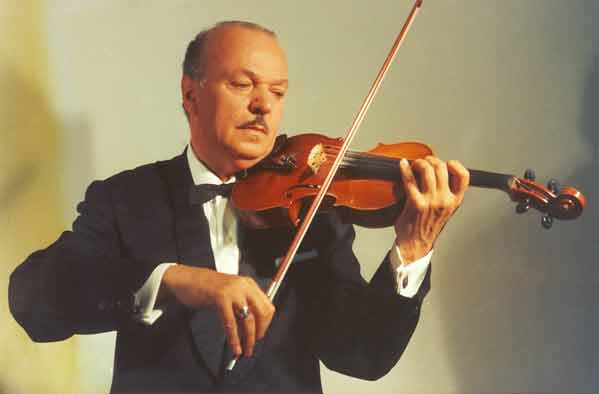
Secondo Casadei, born on April 1, 1906, in Sant’Angelo di Gatteo, Italy, is a towering figure in the history of Italian music, often referred to as the “Strauss of Romagna.” As the creator and most prominent interpreter of the “liscio” genre, Casadei’s work has become deeply ingrained in the cultural fabric of Romagna, the region where his music originated and flourished. His legacy is not only defined by his contributions to music but also by the way his compositions have come to represent the spirit of Romagna itself. This article delves into the life, career, and lasting impact of Secondo Casadei, exploring how he transformed traditional Romagnol music into a national phenomenon and left an indelible mark on Italian culture.
Early Life and Musical Beginnings
Secondo Casadei was born into a family with a strong tradition in tailoring, and it was initially expected that he would follow in the footsteps of his relatives. However, from an early age, Casadei was irresistibly drawn to music. He began his musical education with classical violin lessons, but his true passion lay in creating and performing dance music that could bring joy and unity to the people of his region.
By the age of 16, Casadei had already made his debut as a musician, performing in local orchestras and quickly earning a reputation for his talent and enthusiasm. Despite his early success, Casadei harbored a deep ambition to create his own musical group, one that would innovate while staying true to the traditional sounds of Romagna.
In 1928, at just 22 years old, Casadei realized this dream by forming his own ensemble. His orchestra was unique for its time, blending traditional instruments like the violin and clarinet with newer additions such as the saxophone and drums. This combination allowed Casadei to create a sound that was both fresh and rooted in the traditions of Romagnol music, laying the groundwork for what would become the “liscio” genre.
The Birth of Liscio and the 1930s Success
The 1930s marked a period of significant development for Secondo Casadei and his orchestra. It was during this time that he began composing songs in the Romagnol dialect, a decision that would prove crucial in connecting with the local populace. Casadei believed that music should be close to the hearts of the people, and by using the language and rhythms familiar to them, he was able to create a deep emotional resonance with his audience.
Some of Casadei’s early hits from this period, such as “Burdèla Avèra,” “Un bès in biciclèta,” and “Balé burdèli,” became immensely popular in Romagna. These songs were characterized by their lively, danceable rhythms and lyrics that often depicted everyday life and love in the region. Casadei’s music quickly became the soundtrack to weddings, festivals, and social gatherings, cementing his status as a beloved figure in Romagna.
The success of these compositions was not just due to their catchy melodies, but also to Casadei’s ability to capture the spirit of the times. His music provided a sense of comfort and joy during the difficult years leading up to and following World War II, when the Italian people, particularly those in rural areas like Romagna, were seeking solace and togetherness.
Resilience in Post-War Italy
The post-war period in Italy brought significant changes to the cultural landscape, with American music, particularly jazz and rock and roll, beginning to dominate the airwaves. Despite this shift, Secondo Casadei remained steadfast in his commitment to liscio and the musical traditions of Romagna. He was one of the few bandleaders who refused to abandon the genre, even as other orchestras began incorporating more modern styles into their repertoires.
Casadei’s resilience paid off. His orchestra continued to perform throughout Italy, and he remained a beloved figure in Romagna, where his music was seen as a vital link to the past. In an era of rapid change, Casadei’s dedication to liscio provided a sense of continuity and cultural identity for his fans.
One of the most significant developments during this period was the arrival of Casadei’s nephew, Raoul Casadei, into the orchestra. Raoul brought a fresh energy and new ideas to the group, and together with Secondo, they composed some of the most popular liscio songs of the era. This partnership proved to be extraordinarily successful, with the Casadei Orchestra performing almost every day of the year, except for certain religious holidays.
National Fame and the 1950s-60s Expansion
The 1950s and 60s were a golden age for Secondo Casadei and his orchestra. In 1954, Casadei composed what would become his most famous song, “Romagna Mia.” The song, which celebrates the beauty and spirit of Romagna, quickly became an anthem for the region and is often referred to as a “second national anthem” of Italy. Its popularity was further boosted by the widespread use of jukeboxes and the influence of Radio Capodistria, which helped the song reach audiences far beyond Romagna.
“Romagna Mia” was more than just a hit song; it was a cultural phenomenon. The melody and lyrics resonated deeply with Italians, both in the region and across the country, capturing a sense of nostalgia and pride in the Romagnol heritage. The success of “Romagna Mia” elevated Casadei to national fame, and his orchestra became one of the most sought-after musical groups in Italy.
In 1966, in recognition of his contributions to Italian music and culture, Secondo Casadei was awarded the title of Cavaliere della Repubblica Italiana, one of the highest honors bestowed by the Italian government. This recognition was a testament to the impact that Casadei had on the cultural life of the nation.
During this time, Casadei’s orchestra also began to attract attention from the media, with appearances on television and coverage in the press further solidifying his status as a cultural icon. One of the key moments in this national recognition came when Vittorio Salvetti invited Casadei to participate in Festivalbar, one of Italy’s most popular music festivals. The orchestra’s performance was met with great acclaim, introducing liscio to an even broader audience.
The Legacy Continues: Passing the Baton
Secondo Casadei continued to lead his orchestra with passion and dedication until his death on November 19, 1971. His passing was met with widespread mourning, particularly in Romagna, where he was seen as a symbol of the region’s cultural vitality. However, his legacy did not end with his death. The baton of leadership was passed to his nephew, Raoul Casadei, who had been closely involved with the orchestra for years.
Under Raoul’s leadership, the Casadei Orchestra continued to thrive, adapting to changing musical trends while staying true to the core principles established by Secondo. Raoul’s efforts ensured that liscio remained a relevant and beloved genre, not just in Romagna but across Italy. The orchestra’s success continued well into the 21st century, with Raoul’s son, Mirko Casadei, taking over leadership in the 2000s, thereby extending the Casadei musical legacy into a third generation.
Today, the music of Secondo Casadei continues to be celebrated and performed, both by the Casadei Orchestra and by other musicians who have been inspired by his work. His compositions, particularly “Romagna Mia,” have become part of the Italian cultural heritage, cherished by generations of Italians and recognized around the world as symbols of the joy and vitality of Romagna.
Conclusion
Secondo Casadei’s life and work exemplify the power of music to shape cultural identity and bring people together. As the creator of liscio, Casadei not only provided a soundtrack for the people of Romagna but also created a genre that would become a defining feature of Italian musical culture. His ability to blend tradition with innovation ensured that liscio remained relevant and beloved, even in the face of changing musical trends.
Casadei’s legacy extends far beyond the music itself. He is remembered as a cultural ambassador for Romagna, a region whose traditions and values he tirelessly promoted throughout his life. His work with the Casadei Orchestra helped to preserve the music of Romagna and introduce it to new audiences, ensuring that it would continue to be a source of joy and connection for years to come.
As we reflect on Secondo Casadei’s contributions, it is clear that his impact on Italian culture is profound and enduring. His music continues to inspire and uplift, reminding us of the importance of tradition, community, and the simple pleasures of life. The legacy of Secondo Casadei is one of passion, creativity, and an unwavering commitment to the cultural heritage of his beloved Romagna.


