
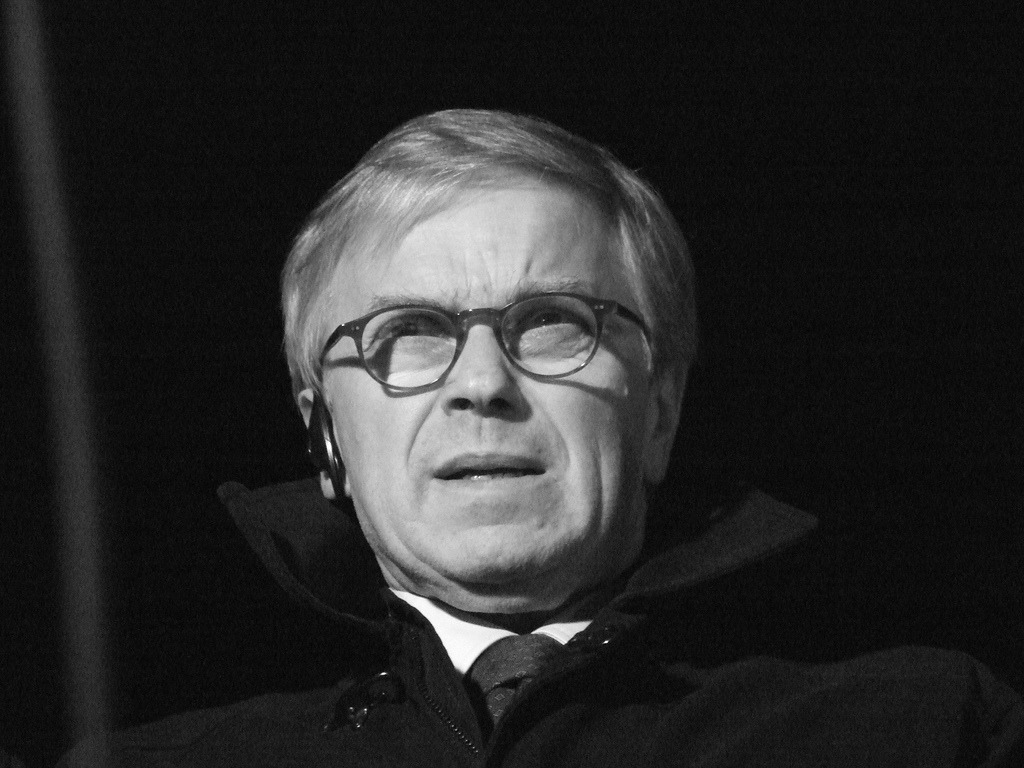
Pierluigi Castagnetti is a prominent figure in Italian politics, known for his deep commitment to Christian democracy, his influence in shaping Italy’s political landscape, and his dedication to public service. Born on June 9, 1945, in Reggio nell’Emilia, Italy, Castagnetti has had a long and distinguished career in politics, spanning several decades and playing pivotal roles in both national and European arenas.
Early Life and Education
Pierluigi Castagnetti’s roots in Reggio nell’Emilia, a region known for its rich history and cultural significance, had a profound influence on his political ideology. Growing up in post-war Italy, he witnessed the country’s recovery and the establishment of a democratic state, which sparked his interest in politics at a young age. Castagnetti pursued higher education in Political Science, a field that would lay the groundwork for his future endeavors in the political sphere.
His early involvement in politics began when he joined the Christian Democracy (Democrazia Cristiana, or DC) party. This party played a central role in Italian politics throughout the 20th century, advocating for centrist policies and maintaining strong ties with the Catholic Church. Castagnetti’s alignment with DC was a natural fit, given his Catholic upbringing and belief in the importance of social justice and democratic principles.
Political Ascent: Early Roles and Legislative Achievements
Castagnetti’s political career took off in the 1980s. In 1980, he was elected as a regional councilor in Emilia-Romagna, one of Italy’s most politically active regions. His work at the regional level quickly garnered attention, and by 1982, he had risen to the position of regional secretary for the DC party. This role marked the beginning of his influence in national politics.
In 1987, Pierluigi Castagnetti was elected to the Italian Parliament for the first time. This was a significant milestone, as it marked his transition from regional politics to the national stage. During his first term, Castagnetti was involved in several key legislative efforts. Notably, he was the rapporteur for a law regulating the trade of weapons in 1990, a critical issue in the context of global security and Italy’s role in international affairs.
Castagnetti was also known for his strong moral stance on international conflicts. He voted against Italy’s participation in the First Gulf War in 1991, reflecting his commitment to peace and diplomacy. This decision was emblematic of his broader political philosophy, which prioritized ethical considerations and the well-being of the global community over military intervention.
The 1990s: Leadership and Influence
The 1990s were a transformative period for Pierluigi Castagnetti. Re-elected to Parliament in 1992, he continued to make significant contributions to Italian politics. One of his most notable efforts during this time was his work on reforming parliamentary immunity, a topic that was hotly debated in Italy during the early 1990s. Castagnetti’s proposal to amend Article 68 of the Italian Constitution, which addressed parliamentary immunity, demonstrated his commitment to transparency and accountability in government.
During this period, Castagnetti also became more involved in the leadership of the DC party. He was appointed the head of the political secretariat under Mino Martinazzoli, one of DC’s key figures. However, the early 1990s were also a time of upheaval for the DC party, which eventually dissolved in the wake of widespread corruption scandals and the rise of new political movements in Italy.
Undeterred by the decline of DC, Castagnetti played a crucial role in the founding of the Italian People’s Party (Partito Popolare Italiano, or PPI) in 1994. The PPI sought to continue the legacy of Christian Democracy while adapting to the changing political landscape of the 1990s. Although Castagnetti initially lost the race for party leadership to Franco Marini in 1997, he remained a key figure within the party.
By 1999, Castagnetti had become the leader of the PPI, defeating opponents Ortensio Zecchino and Dario Franceschini, the latter of whom would later become a significant figure in Italian politics. Under Castagnetti’s leadership, the PPI entered into an alliance with other centrist and left-leaning parties, including Rinnovamento Italiano, I Democratici, and Udeur, to form La Margherita. This alliance was part of a broader center-left coalition that sought to challenge the dominance of right-wing parties in Italy.
The 2000s: Challenges and Triumphs
The new millennium brought both challenges and successes for Pierluigi Castagnetti. In 2001, he was re-elected to Parliament, where he served as the leader of the Margherita group in the Chamber of Deputies. His leadership was marked by efforts to unite the fragmented center-left in Italy, a task made more difficult by the complex and often contentious nature of Italian politics.
However, Castagnetti’s career was not without controversy. In 2002, he was implicated in a judicial investigation, accused of having accepted a bribe from businessman Luigi Marrino in the early 1990s. The accusation of corruption was a serious charge, and Castagnetti faced the possibility of a trial. However, in 2003, the judge granted him leniency, and the statute of limitations ultimately expired on the charges, bringing the case to a close without a conviction.
Despite this setback, Castagnetti continued his political career with renewed vigor. In 2005, he published La Costituzione offesa, a book that reflected his deep concern for the integrity of the Italian Constitution in an era of political change. The following year, he was elected once again to Parliament, representing the Emilia-Romagna region as part of the L’Ulivo coalition. During this term, Castagnetti served as the vice-president of the Chamber of Deputies, a role that further solidified his influence in Italian politics.
Throughout the 2000s, Castagnetti remained a vocal advocate for democratic values and the rule of law. He was the first signatory of proposals aimed at repealing controversial election laws and promoting internal democracy within political parties. He also supported legislation aimed at protecting Italian products, environmental conservation, and the preservation of Italy’s cultural heritage, including the work of renowned author Giovannino Guareschi.
Later Years and Legacy
As the 2010s began, Pierluigi Castagnetti’s thoughts turned towards the future of Italian politics and the need for renewal. In 2011, he publicly announced that he would not seek re-election in the next parliamentary elections, signaling his desire to make way for new leadership. This decision was consistent with his long-standing belief in the importance of political renewal and the infusion of fresh ideas into the political process.
Even after stepping back from the political frontlines, Castagnetti continued to influence Italian politics. In 2015, when President Giorgio Napolitano resigned, Castagnetti’s name was floated by the media as a potential candidate for the presidency, reflecting the high regard in which he was held by his peers and the public.
Throughout his career, Pierluigi Castagnetti has been known for his unwavering commitment to the principles of Christian democracy, his advocacy for transparency and ethical governance, and his ability to navigate the complexities of Italian and European politics. His legacy is one of service, integrity, and a deep belief in the power of democratic institutions to improve the lives of citizens.
The Historical Context and Influence on Italian Politics
Pierluigi Castagnetti’s career provides a window into the broader changes that have shaped Italian politics over the past few decades. His early involvement with the Christian Democracy party placed him at the heart of a political system that dominated Italy for much of the 20th century. The decline of DC in the early 1990s and the subsequent fragmentation of the Italian political landscape were emblematic of the challenges faced by centrist and moderate political forces in a rapidly changing world.
Castagnetti’s efforts to build new political alliances, such as La Margherita, and his role in the foundation of the Democratic Party (Partito Democratico) in 2007, reflect the ongoing evolution of the Italian center-left. His ability to adapt to these changes, while maintaining a consistent commitment to democratic values, has made him a respected figure across the political spectrum.
Moreover, Castagnetti’s career highlights the importance of ethical leadership in politics. His stance against Italy’s participation in the First Gulf War, his advocacy for transparency in government, and his efforts to promote internal democracy within political parties are all testament to his belief in the need for moral integrity in public life.
SEO Considerations and Target Keywords
To ensure this content is optimized for search engines, it’s essential to incorporate relevant keywords and phrases throughout the text. Key phrases such as “Pierluigi Castagnetti biography,” “Italian politician,” “Christian Democracy in Italy,” “Italian People’s Party,” and “La Margherita” should be used strategically to improve search engine rankings.
In addition, using LSI (Latent Semantic Indexing) keywords like “Italian parliamentary history,” “political reform in Italy,” and “Pierluigi Castagnetti books” can help capture a wider range of search intents. Balancing keyword density with readability is crucial to creating content that is both informative and SEO-friendly.
In conclusion, Pierluigi Castagnetti’s life and career offer valuable insights into the evolution of Italian politics and the challenges of leadership in a democratic society. His dedication to public service, his commitment to ethical governance, and his ability to adapt to the changing political landscape make him a significant figure in Italy’s modern history. As he steps back from the political spotlight, his legacy continues to inspire future generations of leaders.


