
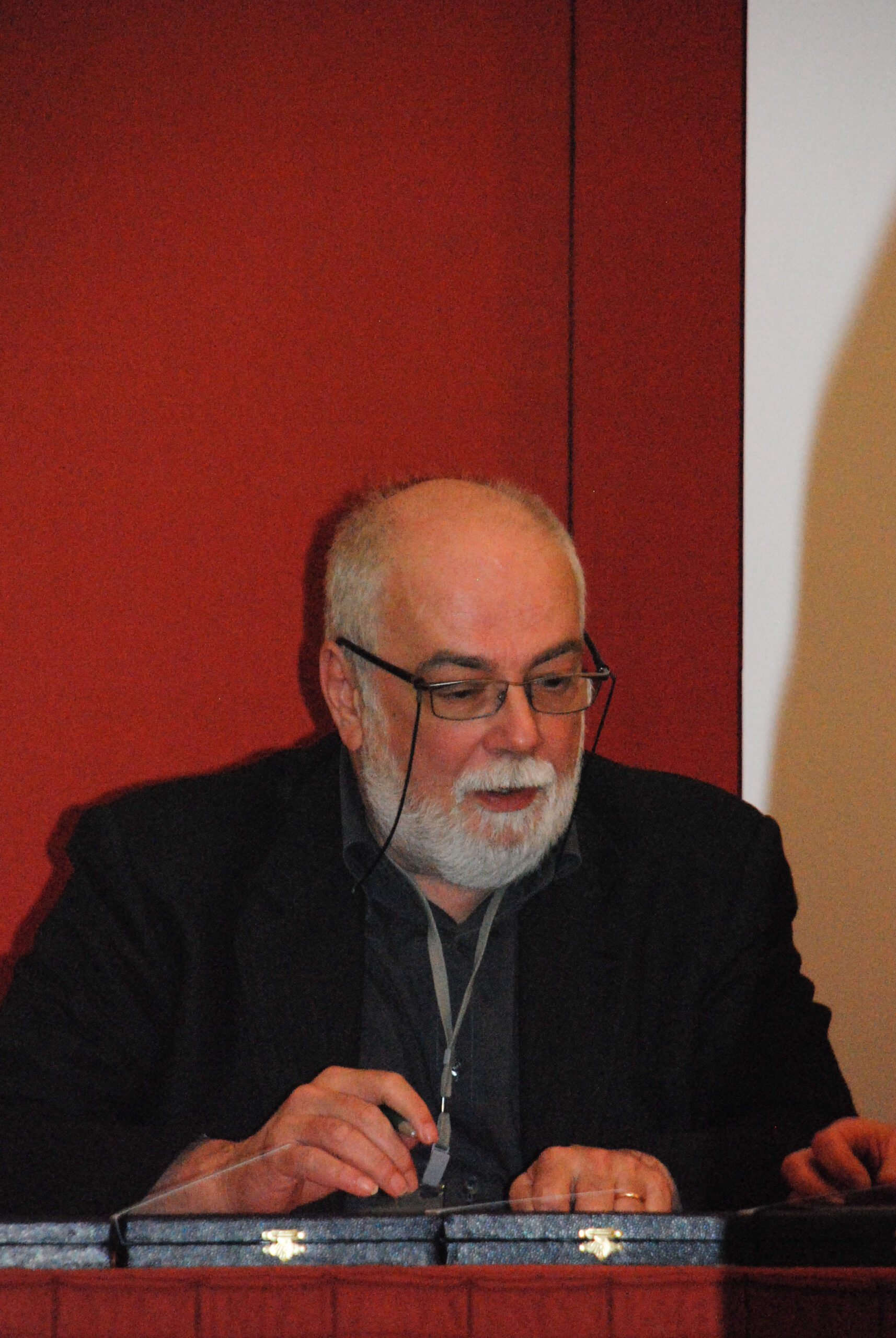
Alfredo Castelli is a towering figure in the world of Italian comics, a master storyteller whose influence extends far beyond the borders of his homeland. Born on June 26, 1947, in Milan, Italy, Castelli’s life and work have left an indelible mark on the world of comics, both as a creator and as a historian of the medium. Known for his creativity, wit, and deep understanding of the comic art form, Castelli has shaped the narrative style of Italian comics for decades, most notably through his creation of the iconic character Martin Mystère.
Early Life and Entry into Comics
Alfredo Castelli’s fascination with comics began at an early age. Growing up in post-war Italy, a period marked by cultural reconstruction and the rise of new forms of entertainment, young Castelli was drawn to the colorful and imaginative world of comic books. By 1965, when he was just 18 years old, Castelli made his professional debut in the comic world with contributions to Kolosso, an Italian comic series popular at the time. It was here that he introduced Scheletrino, a grotesque character whose stories he both wrote and illustrated, offering a glimpse into the creative mind that would later revolutionize Italian comics.
In 1966, not yet 20 years old, Castelli launched Comics Club 104, a self-produced fanzine that holds the distinction of being the first of its kind in Italy. This venture was significant not only because it showcased his early talent and entrepreneurial spirit but also because it marked the beginning of a lifelong commitment to the world of comics.
The 1970s: Expanding Horizons and International Influence
The 1970s were a period of growth and diversification for Alfredo Castelli. During this decade, he expanded his reach both within Italy and internationally. He collaborated with several prominent Italian comic publications, including Tiramolla and Topolino, the Italian version of Disney’s Mickey Mouse magazine, published by Mondadori. His work during this period solidified his reputation as a versatile and innovative storyteller.
Castelli was not just a comic book writer and artist; he was also a television writer. He wrote scripts for Caroselli, the famous Italian television advertising shorts, and created several series for RAI, Italy’s national public broadcasting company. His ability to traverse different media demonstrated his broad talent and adaptability.
During the late 1970s, Castelli’s work began to reach an international audience. He wrote stories for various European magazines, including the German publication Zack and the French magazines Bazaar, Pif, and Scoop. It was during this period that he created some of his most beloved characters, including L’omino bufo (The Funny Little Man), a comic strip characterized by its absurd humor, L’Ombra (The Shadow), and Gli Aristocratici (The Aristocrats). These characters showcased Castelli’s range, from the satirical and comedic to the mysterious and adventurous.
The Birth of Martin Mystère: A Cultural Milestone
Alfredo Castelli’s most significant contribution to the world of comics came in the early 1980s with the creation of Martin Mystère. First published in 1982 by Sergio Bonelli Editore, Martin Mystère was an instant success and quickly became one of the most popular and enduring comic series in Italy.
Martin Mystère is an archaeologist and detective who delves into the mysteries of the world, exploring everything from ancient civilizations to paranormal phenomena. The character and the series are a testament to Castelli’s deep interest in history, mythology, and the unknown. The comic blends elements of science fiction, adventure, and detective genres, creating a rich and compelling narrative that has captivated readers for decades.
The character of Martin Mystère was heavily influenced by Allan Quatermain, a fictional adventurer created by H. Rider Haggard. Castelli initially developed a comic version of Quatermain for the weekly magazine Supergulp in 1978. This character laid the groundwork for what would become Martin Mystère, showcasing Castelli’s talent for reimagining and expanding upon classic literary figures.
The success of Martin Mystère was not just a commercial achievement; it also had a profound cultural impact. The series brought a new level of intellectual engagement to the comic medium, challenging readers to think critically about the world’s mysteries and their own beliefs. It also established Castelli as a key figure in the Italian comic industry, known for his ability to combine entertainment with education.
The 1980s and Beyond: A Legacy in Comics
The 1980s were a prolific period for Alfredo Castelli. In addition to the ongoing success of Martin Mystère, he continued to contribute to other projects and publications. In 1983, he co-founded the prestigious magazine Eureka with Silver (Guido Silvestri), the creator of Lupo Alberto, one of Italy’s most famous comic characters. Eureka became an important platform for both established and emerging comic artists and writers, further cementing Castelli’s influence on the industry.
Castelli’s collaboration with Topolino also resumed during this period, allowing him to revisit one of the most beloved franchises in Italian comics. His contributions to Topolino demonstrated his ability to work within different genres and appeal to a wide audience, from young readers to adults.
The 1990s saw Castelli continue to innovate within the comic medium. He launched Zona X, a spin-off of Martin Mystère that focused on science fiction and speculative stories. Although Zona X did not achieve the same level of success as Martin Mystère, it showcased Castelli’s willingness to experiment and push the boundaries of the comic genre.
The New Millennium: A Historian of Comics
As the 2000s dawned, Alfredo Castelli took on a new role in the world of comics: that of a historian. He dedicated himself to the study and preservation of the history of comics, conducting meticulous research and uncovering forgotten or overlooked aspects of the medium’s past. His work as a historian was driven by his deep love for comics and his belief in their cultural significance.
Castelli’s research led to several important publications and discoveries, contributing to the academic study of comics and ensuring that the medium’s history was documented and respected. His efforts to preserve the legacy of comics extended beyond his own work, as he sought to highlight the contributions of other artists and writers who had shaped the medium.
The Legacy of Alfredo Castelli: A Giant in Italian Comics
Alfredo Castelli’s death on February 7, 2024, marked the end of an era in Italian comics. At the age of 76, he left behind a legacy that is unmatched in the world of Italian graphic storytelling. His contributions as a writer, artist, editor, and historian have had a lasting impact on the medium, influencing generations of comic creators and readers.
Castelli’s work is characterized by its intellectual depth, creative innovation, and respect for the comic art form. He elevated comics to a level where they could be appreciated not just as entertainment, but as a means of exploring complex ideas and challenging societal norms. His creation of Martin Mystère alone would have secured his place in comic history, but his contributions extend far beyond a single character or series.
Today, Alfredo Castelli is remembered as a pioneer who helped to shape the landscape of Italian comics. His work continues to inspire new generations of writers and artists, who look to his example as they create their own stories. Castelli’s influence can be seen in the continued popularity of Martin Mystère, as well as in the broader comic industry’s embrace of stories that blend entertainment with intellectual exploration.
SEO Considerations and Target Keywords
To ensure this content is optimized for search engines, it is essential to incorporate relevant keywords and phrases throughout the text. Key phrases such as “Alfredo Castelli biography,” “Italian comic artist,” “Martin Mystère,” and “history of Italian comics” should be used strategically to improve search engine rankings.
In addition, using Latent Semantic Indexing (LSI) keywords like “Sergio Bonelli Editore,” “Topolino comics,” “Italian graphic novels,” and “comic book historian” can help capture a broader range of search intents. Balancing keyword density with readability is crucial to creating content that is both informative and SEO-friendly.
Conclusion: The Enduring Influence of Alfredo Castelli
Alfredo Castelli’s life and work offer a profound insight into the evolution of Italian comics and the broader world of graphic storytelling. His contributions as a writer, artist, and historian have left an indelible mark on the medium, elevating comics to a form of cultural expression that is both entertaining and intellectually engaging.
As we reflect on Castelli’s legacy, it is clear that his influence will continue to be felt for years to come. His work not only entertained but also educated and inspired, making him a true giant in the world of comics. For anyone interested in the history and future of graphic storytelling, the life and work of Alfredo Castelli provide a rich and enduring source of inspiration.


