
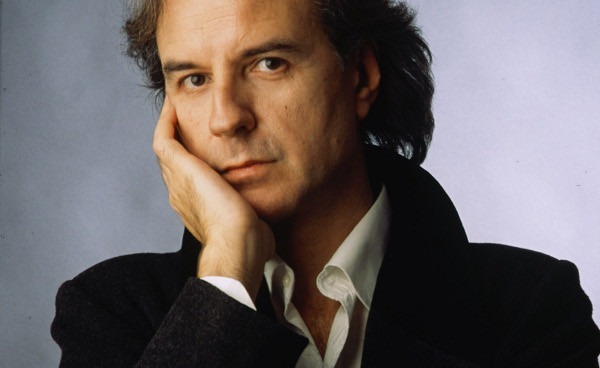
Mario Castelnuovo is a prominent figure in the Italian music scene, known for his evocative and poetic songwriting that has left a lasting impact on the landscape of Italian music. Born on January 25, 1955, in Rome, Castelnuovo has woven a unique path through the world of music, blending his love for literature, his Tuscan roots, and his passion for storytelling into his work. This article provides a comprehensive overview of Mario Castelnuovo’s life, his rise to fame, and the significant milestones that have defined his career.
Early Life and Artistic Roots
Mario Castelnuovo was born into a family with deep Tuscan connections, which would later influence his artistic vision. From a young age, he exhibited a strong inclination towards the arts, particularly drawing. As a teenager, he often spent time sketching portraits of tourists and passersby, a hobby that not only honed his artistic skills but also deepened his appreciation for capturing the essence of human emotion—a theme that would become central in his music.
His academic journey led him to the University of Rome, where he pursued a degree in Literature. It was here that Castelnuovo’s interest in music truly began to flourish. He immersed himself in the study of French literature, while also developing a fascination with the magical worlds of the Chanson de Geste, as well as Provençal and Celtic music. These influences would later manifest in the rich, narrative style of his songwriting.
During his university years, Castelnuovo also took up guitar lessons, laying the foundation for his future career as a singer-songwriter. His musical exploration led him to the Folkstudio, a well-known music club in Rome, where many aspiring artists of the time gathered to share their talents and ideas.
The Beginning of a Musical Journey
Mario Castelnuovo’s official entry into the music industry came in the late 1970s. His first significant release was a 45 RPM single in 1978, featuring a song titled “Woody Soldier,” performed by Katy Stott. This early foray into the world of recorded music, though modest, marked the beginning of Castelnuovo’s professional career as a songwriter.
It wasn’t until 1982, however, that Castelnuovo truly made his mark. That year, he released his debut album, Sette fili di canapa (Seven Hemp Threads), which included the single “Oceania.” This song would become one of his most enduring hits, celebrated for its ethereal quality and introspective lyrics. The album’s release coincided with Castelnuovo’s participation in the prestigious Sanremo Music Festival, where he performed the title track “Sette fili di canapa.” Despite the song’s departure from the typical Sanremo fare, which was often characterized by straightforward pop, Castelnuovo’s performance was noted for its depth and complexity.
“Oceania,” in particular, resonated with audiences due to its mystical and dreamlike qualities. The song’s title alone evokes a sense of mystery and longing, encapsulating the unfulfilled desires that linger in the human heart. Castelnuovo’s use of symbolic imagery and intricate wordplay in the song created a powerful visual and emotional experience for listeners.
Breakthrough and Success with “Nina”
Following the success of Sette fili di canapa, Mario Castelnuovo continued to build on his reputation as a thoughtful and introspective artist. His second album, Mario Castelnuovo, released in 1984, featured what is perhaps his most famous song, “Nina.” This track became a defining moment in Castelnuovo’s career, solidifying his place in the Italian music industry.
“Nina” is a tender love story, told with simplicity and heartfelt emotion. The song’s classical arrangement, featuring guitar and strings, complemented the poignant lyrics, making it an instant favorite among both audiences and critics. Castelnuovo’s performance of “Nina” at the 1984 Sanremo Festival earned him a sixth-place finish, a respectable position considering the competition. The song’s success was unexpected for many, as it stood in stark contrast to the more commercial and mainstream entries at the festival. Yet, it was precisely this divergence from the norm that endeared “Nina” to so many.
The popularity of “Nina” overshadowed some of the other excellent tracks on the album, such as “Fiore di mezzanotte,” which Castelnuovo himself has cited as a personal favorite. This song, like many of his works, draws on his deep connection to Tuscany, his homeland, and the broader Italian landscape, using it as a backdrop to explore themes of love, memory, and identity.
Experimentation and Artistic Evolution
Mario Castelnuovo’s third album, È piazza del campo, released in 1985, marked a significant turning point in his career. After the overwhelming success of “Nina,” Castelnuovo made a conscious decision to distance himself from the pressures of commercial success and to focus on creating music that was true to his artistic vision.
È piazza del campo is an album steeped in metaphor and allegory, with the central theme revolving around life as a race akin to the famous Palio di Siena, a historic horse race held in the heart of Tuscany. Castelnuovo was fascinated by the Palio, seeing in it a reflection of the trials and tribulations of everyday life—its false starts, betrayals, and challenges.
This album was recorded live, without the use of a drum kit, giving it a raw and authentic sound that differed significantly from the polished productions of his previous works. Despite the initial skepticism from his record label, È piazza del campo went on to become a cult classic. Songs like “Le aquile” and “Palcoscenico” were later featured in films and covered by other artists, further cementing Castelnuovo’s influence in the Italian music scene.
Continued Success and Contributions to Italian Music
Throughout the late 1980s and 1990s, Mario Castelnuovo continued to release albums that, while perhaps not achieving the commercial heights of “Nina,” were critically acclaimed and beloved by his dedicated fan base. His 1987 album, Venere, produced by Fabio Liberatori and Gaetano Ria, featured the track “Nobildonna,” a radio-friendly song that nonetheless stayed true to Castelnuovo’s introspective style.
In 1989, Castelnuovo released Sul nido del cuculo (On the Cuckoo’s Nest), an album that delved into more experimental territory. The title, inspired by Milos Forman’s film One Flew Over the Cuckoo’s Nest, set the tone for an album that explored the complexities of human emotion and relationships through a surreal lens. This album found a particular resonance in international markets, with tracks like “Gli occhi di Firenze” and “Via della luna” gaining popularity in Germany and the Netherlands.
The 1990s saw Castelnuovo continuing to push the boundaries of his music. His 1991 album, Come sarà mio figlio (What My Son Will Be Like), served as both a retrospective and a new chapter in his career. It included a selection of his most successful songs from the past decade, along with new tracks that showcased his evolving style.
In 1993, Castelnuovo released an eponymous album under the Cetra label. This album, perhaps his most experimental, was produced in collaboration with Fabio Pianigiani, whose rock influences brought a new dimension to Castelnuovo’s music. The album’s sound was a delicate balance between the lyrical, acoustic qualities that fans had come to expect and a more robust, rock-inspired energy.
Later Career and Legacy
As the new millennium approached, Mario Castelnuovo continued to produce music that reflected his deep introspection and commitment to his craft. His 2000 album, Buongiorno, marked a return to his roots, with a minimalist approach that emphasized acoustic instruments and intimate, personal lyrics. The album was well-received, particularly after it was re-released with the additional track “Il miracolo,” which Castelnuovo had written in collaboration with Ambrogio Sparagna.
In the years that followed, Castelnuovo remained an active figure in the Italian music scene, contributing to various projects and collaborating with a diverse array of artists. His work as a composer extended beyond his albums, including contributions to television and film soundtracks, which further showcased his versatility as a musician.
In 2005, Castelnuovo released what would be his final album to date, Come erano venute buone le ciliegie nella primavera del ’42 (How Good the Cherries Were in the Spring of ’42). This album, like much of his work, is a reflection on the passage of time, memory, and the enduring power of music to capture the fleeting moments of life.
Conclusion
Mario Castelnuovo’s career is a testament to the enduring power of artistic integrity and personal expression. Over the course of several decades, he has carved out a unique niche in the world of Italian music, blending his love of literature, his deep connection to his Tuscan roots, and his passion for storytelling into a body of work that continues to resonate with audiences.
Castelnuovo’s music is characterized by its poetic lyricism, its introspective quality, and its ability to transport listeners to a world of emotion and reflection. While he may not have pursued the commercial success that some of his contemporaries did, his contributions to Italian music are no less significant. Mario Castelnuovo remains a beloved and respected figure, whose work continues to inspire both listeners and fellow musicians alike.
His journey through the ever-changing landscape of the music industry serves as a reminder that true artistry lies not in chasing trends, but in staying true to one’s vision and voice. Mario Castelnuovo’s life and career are a celebration of the power of music to connect us to our deepest selves and to the world around us.


