
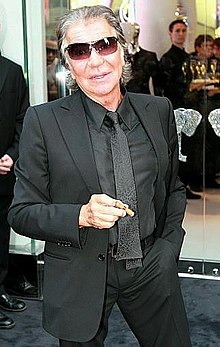
Roberto Cavalli is a name that has become synonymous with bold fashion, vibrant prints, and luxurious style. Born on November 15, 1940, in Florence, Italy, Cavalli rose to prominence as one of the most innovative and flamboyant fashion designers of his time. His unique approach to fashion, characterized by extravagant prints and daring designs, set him apart in the competitive world of haute couture. This article delves into the life, career, and enduring legacy of Roberto Cavalli, offering a comprehensive look at the man behind the brand that revolutionized the fashion industry.
Early Life and Artistic Roots
Roberto Cavalli was born into a family steeped in artistic tradition. His grandfather, Giuseppe Rossi, was a prominent figure in the Macchiaioli movement, an Italian art movement of the late 19th century known for its emphasis on realism and rejection of academic convention. This artistic heritage had a profound influence on young Roberto, who grew up surrounded by the vibrant colors and expressive forms that would later define his work as a fashion designer.
However, Cavalli’s early life was also marked by tragedy. In 1944, when Roberto was just four years old, his father, Giorgio Cavalli, was killed by the Wehrmacht (the German armed forces) during the turmoil of World War II. This loss left a lasting impact on Cavalli, shaping his resilient character and fueling his determination to succeed.
Despite the hardships, Cavalli’s passion for art flourished. He attended the Accademia di Belle Arti in Florence, where he specialized in textile design. It was here that he began experimenting with the intersection of art and fashion, exploring the possibilities of applying artistic techniques to fabric. His innovative approach to textile printing would later become one of the cornerstones of his career.
The Birth of a Fashion Icon
The 1960s were a period of great experimentation and innovation, not just in music and culture, but also in fashion. Cavalli, with his background in textile design, was perfectly positioned to take advantage of this creative explosion. He began developing new techniques for printing on leather and other fabrics, blending his love of color and pattern with his deep understanding of materials.
One of Cavalli’s early breakthroughs came when he developed a method for printing directly onto leather. This innovation caught the attention of leading fashion houses, including Hermès and Pierre Cardin, who recognized the potential of his techniques. In 1970, Cavalli presented his first collection at the Salon du Prêt-à-Porter in Paris, where his bold use of color and unconventional materials made an immediate impact.
Two years later, in 1972, Cavalli showcased his work at Palazzo Pitti in Florence, a pivotal moment that solidified his reputation as a daring and original designer. His collection, characterized by vibrant floral prints and intricate patchwork designs, was met with both shock and admiration. Cavalli’s ability to blend art and fashion in such a striking way set him apart from his contemporaries and established him as a rising star in the fashion world.
The Rise to International Fame
Throughout the 1970s, Cavalli continued to push the boundaries of fashion, introducing new materials and techniques that challenged traditional notions of luxury. His use of denim, a fabric traditionally associated with workwear, was revolutionary. Cavalli reimagined denim as a luxury material, embellishing it with leather inserts, embroidery, and other intricate details. This approach not only transformed denim into a high-fashion staple but also set the stage for the designer’s future success.
In 1972, Cavalli opened his first boutique in Saint-Tropez, the glamorous French Riviera town that was a playground for the rich and famous. This location was a fitting choice for Cavalli, whose designs embodied the carefree, luxurious lifestyle of the jet set. The boutique quickly became a destination for fashion-forward individuals seeking something bold and different.
The 1980s saw Cavalli’s brand continue to grow, but it was also a time of personal and professional challenges. In 1980, Cavalli married Eva Maria Düringer, a former Miss Universe runner-up, who became both his muse and business partner. Together, they navigated the ups and downs of the fashion industry, with Eva playing a crucial role in managing the business side of the brand.
However, towards the end of the decade, Cavalli decided to take a step back from the fashion world to focus on his family and other interests. During this period, he invested in horse breeding, another of his passions, and explored new business ventures. Despite this temporary retreat, Cavalli’s love for fashion never waned, and he eventually returned to the industry with renewed energy and vision.
The 1990s: A New Era of Success
The 1990s marked a significant turning point in Roberto Cavalli’s career. With the fashion industry embracing a more minimalist aesthetic, Cavalli’s maximalist approach stood out even more. In 1994, he made a triumphant return to the fashion scene with a collection that featured sandblasted denim, a technique he pioneered to give jeans a distressed, worn-in look. This innovation was an instant hit, capturing the spirit of the decade and propelling Cavalli back into the spotlight.
Cavalli’s return was marked by a renewed focus on the female form, with designs that celebrated sensuality and femininity. He reintroduced his signature animal prints, including leopard and zebra patterns, which became synonymous with the Cavalli brand. These prints, often paired with luxurious materials like silk and leather, defined the “Cavalli woman” as confident, bold, and unapologetically glamorous.
The 1990s also saw the launch of Cavalli’s menswear line and the opening of new boutiques in Venice and Saint-Tropez. By the end of the decade, the Roberto Cavalli brand was present in over 36 countries, solidifying its status as a global luxury powerhouse.
The 2000s: Expansion and Diversification
The new millennium brought with it even greater success for Roberto Cavalli. In 1998, he launched Just Cavalli, a younger, more accessible line that quickly gained popularity among fashion-conscious youth. The brand’s expansion continued with the introduction of accessories, eyewear, perfumes, and even home furnishings, all bearing the distinctive Cavalli flair.
Cavalli’s ability to adapt to changing trends while staying true to his signature style was key to his enduring appeal. His designs were embraced by celebrities and fashion icons alike, with stars like Beyoncé, Jennifer Lopez, Madonna, and Victoria Beckham frequently seen wearing Cavalli’s creations. The brand’s visibility in the media, combined with its presence in high-end boutiques around the world, helped to cement Cavalli’s status as one of the most influential designers of his time.
In 2002, Cavalli made a significant move by opening his first boutique-café in Florence, followed by the Just Cavalli Café in Milan’s Torre Branca. These ventures reflected Cavalli’s desire to create a complete lifestyle brand, offering not just fashion but an entire experience. The concept was further expanded with the opening of the Cavalli Club in Dubai, a luxurious venue that embodied the designer’s extravagant aesthetic.
The partnership with H&M in 2007 was another milestone for Cavalli. The limited-edition collection he designed for the Swedish retail giant was an unprecedented success, selling out within hours and introducing the Cavalli brand to a new generation of fashion enthusiasts. This collaboration demonstrated Cavalli’s ability to blend luxury with accessibility, making his designs available to a broader audience while maintaining their exclusive allure.
Legacy and Impact on Fashion
Roberto Cavalli’s influence on the fashion industry is undeniable. His bold use of prints, innovative techniques, and unapologetic celebration of glamour have left a lasting mark on the world of haute couture. Cavalli’s designs are instantly recognizable, characterized by their vibrant colors, intricate details, and daring silhouettes. He transformed everyday materials like denim into luxury items and brought a new level of sophistication to the use of animal prints in fashion.
Cavalli’s work has been celebrated not just for its aesthetic appeal but also for its cultural impact. His designs have been worn by some of the most famous and influential people in the world, from pop stars and actresses to royalty and socialites. Cavalli’s ability to capture the spirit of the times while staying true to his artistic vision has ensured his place in the pantheon of fashion greats.
Personal Life and Later Years
Roberto Cavalli’s personal life has been as colorful as his designs. He has been married twice and has six children. His first marriage produced two children, Tommaso and Cristiana, while his second marriage to Eva Maria Düringer resulted in three more children: Robert, Rachele, and Daniele. In 2023, at the age of 83, Cavalli welcomed his sixth child, Giorgio, with his partner, Swedish model Sandra Nilsson.
Cavalli’s life has not been without its challenges. In 2019, tragedy struck when his son-in-law, Francesco Agostinelli, was found dead in his car. This loss was a significant blow to the Cavalli family, already facing the complexities of managing a global fashion empire.
Despite these personal challenges, Cavalli remained active in the fashion industry, continuing to innovate and inspire until his death on April 12, 2024, at the age of 83. His passing marked the end of an era, but his legacy lives on through the Roberto Cavalli brand, which continues to be a symbol of luxury, creativity, and daring fashion.
Conclusion
Roberto Cavalli was more than just a fashion designer; he was a visionary who transformed the way we think about luxury and style. His bold, vibrant designs broke new ground in the fashion industry, challenging conventions and setting new trends that continue to influence designers today. From his innovative use of materials to his fearless embrace of color and pattern, Cavalli’s work has left an indelible mark on the world of fashion.
As we reflect on his life and career, it’s clear that Roberto Cavalli’s influence extends far beyond the runway. His ability to blend art and fashion, his commitment to pushing boundaries, and his unwavering dedication to his craft have made him a true icon of the fashion world. Roberto Cavalli’s legacy will continue to inspire future generations of designers, ensuring that his name remains synonymous with luxury, creativity, and the bold spirit of Italian fashion.


