
Introduction
Georgiana Cavendish, Duchess of Devonshire, remains one of the most iconic figures in British history, renowned for her beauty, political influence, and cultural impact. Born in the 18th century, she has captivated historians, biographers, and the public with her remarkable life. This comprehensive exploration of Georgiana Cavendish delves into her age, fame, and notable life highlights, offering a detailed account of her significant contributions and enduring legacy.
Early Life and Background
Georgiana Cavendish was born Georgiana Spencer on June 7, 1757, into the Spencer family, a prominent aristocratic lineage. Her father, the 1st Earl Spencer, was a respected figure in British society, and her mother, Lady Spencer, was known for her charm and social connections. Georgiana’s upbringing in such a distinguished family set the stage for her future prominence.
Growing up amidst the opulence of the British aristocracy, Georgiana was educated and groomed to be a socialite and a leader. Her education included the arts, literature, and politics, reflecting the expectations placed on women of her status to contribute to society in meaningful ways.
Marriage and Social Influence
In 1774, Georgiana married William Cavendish, the 5th Duke of Devonshire, a union that further elevated her social standing. The marriage, while politically advantageous, was also a meeting of like-minded individuals. The Duke and Duchess shared a passion for politics, social reform, and cultural pursuits.
Georgiana’s influence extended beyond her role as Duchess. She became a central figure in British society, known for her extravagant fashion sense, charm, and political acumen. Her salon became a hub for intellectual and political discussions, attracting notable figures of the time.
Political and Social Contributions
Georgiana Cavendish’s involvement in politics was both unconventional and impactful. Her support for the Whig Party and her advocacy for social reform reflected her deep commitment to improving society. She played a crucial role in promoting political causes and was known for her efforts to support the campaign for electoral reform.
One of her most significant contributions was her role in the political campaign for the reform of the British electoral system. Her efforts, alongside other reformers, aimed to address the corrupt practices and limitations of the existing electoral system, contributing to the broader movement for political change in Britain.
Fashion Icon and Cultural Influence
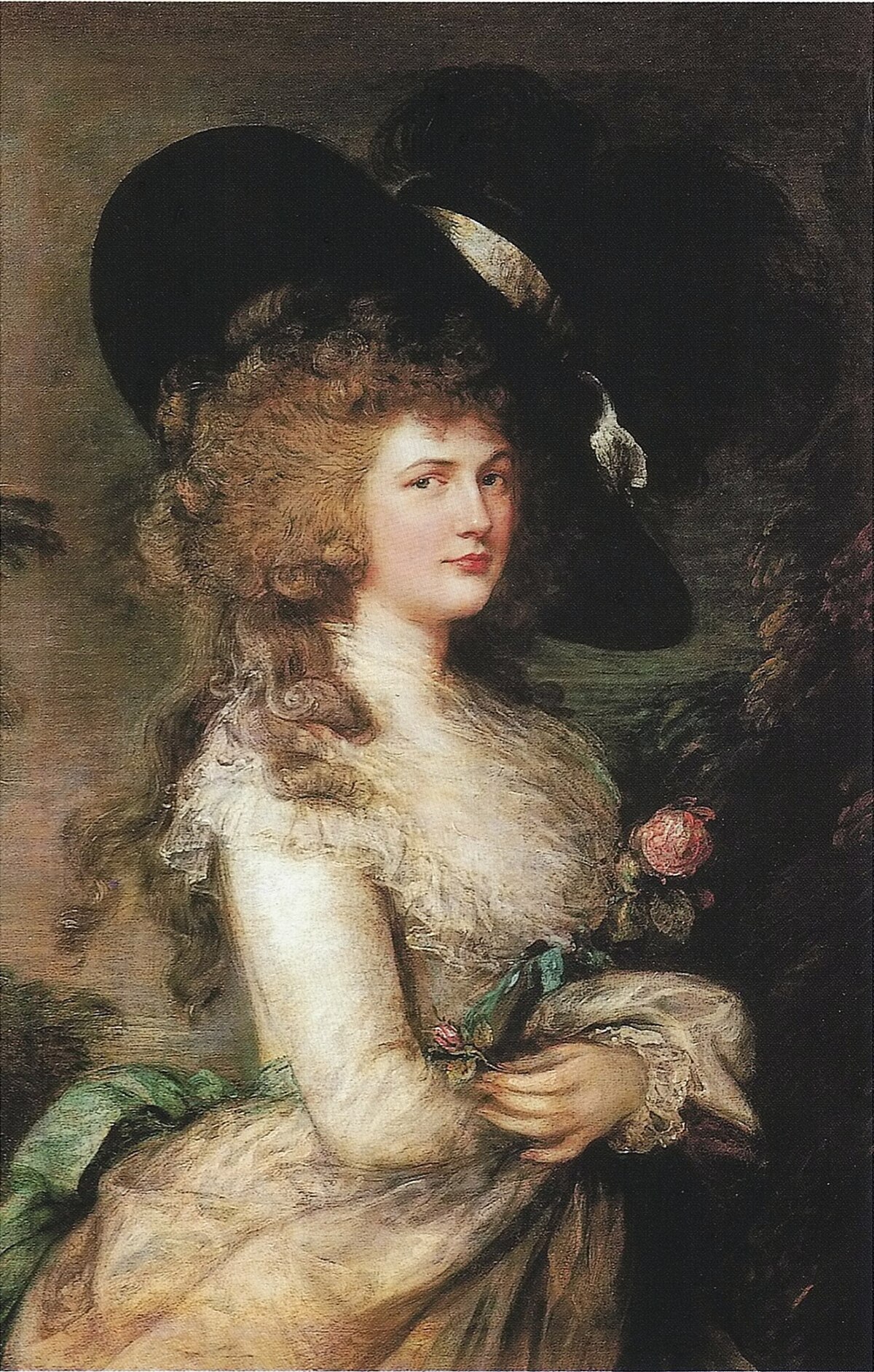
Georgiana Cavendish is often remembered for her significant influence on fashion. Her style, characterized by elaborate gowns, extravagant hats, and dramatic hairstyles, set trends in British high society. Her fashion choices were not merely a reflection of her personal taste but also a statement of her social status and influence.
Her penchant for high fashion was complemented by her involvement in cultural and artistic endeavors. Georgiana was an avid patron of the arts, supporting artists, writers, and performers. Her contributions to the cultural landscape of her time helped shape the artistic trends of the late 18th century.
Personal Life and Relationships
Georgiana Cavendish’s personal life was marked by both triumphs and challenges. Her marriage to the Duke of Devonshire, while initially harmonious, faced strains due to the Duke’s own romantic entanglements and Georgiana’s struggles with personal issues. Despite these challenges, Georgiana maintained a public persona of grace and composure.
Her close relationships with prominent figures of the time, including her friendship with the politician Charles Grey, also played a significant role in her life. These relationships not only influenced her personal decisions but also had a bearing on her public and political activities.
Legacy and Historical Impact
Georgiana Cavendish’s legacy extends beyond her fashion and social influence. Her contributions to political reform, cultural patronage, and social advocacy have left a lasting impact on British history. She is remembered as a pioneering woman who used her position to effect change and influence public discourse.
Her life has been the subject of numerous biographies, films, and scholarly studies, reflecting the enduring interest in her multifaceted contributions to society. The 2008 film “The Duchess,” based on her life, further popularized her story and highlighted her remarkable achievements.
Death and Commemoration
Georgiana Cavendish passed away on March 30, 1806, at the age of 48. Her death marked the end of a significant era in British history, but her legacy continued to resonate. She was remembered not only for her social and political contributions but also for her role as a cultural icon.
Her burial at the Church of St. Peter in Edensor, Derbyshire, alongside her husband, is a testament to her enduring connection to her family and her place in British history.
Conclusion
Georgiana Cavendish, Duchess of Devonshire, remains a figure of great historical and cultural significance. Her life, characterized by her political activism, fashion sense, and social influence, provides a fascinating glimpse into the complexities of 18th-century British aristocracy. Her contributions to politics, culture, and fashion continue to be celebrated, ensuring her place in the annals of history.
SEO Keywords and Optimization
To ensure the article is optimized for search engines, include keywords such as “Georgiana Cavendish biography,” “Georgiana Cavendish Duchess of Devonshire,” “Georgiana Cavendish fashion,” and “Georgiana Cavendish political influence.” Maintain a keyword density of around 1-2% and ensure that the content is informative and engaging.
Incorporate internal and external links to relevant sources and related articles to enhance the article’s visibility and authority.
Sources
- Biografie Online: Georgiana Cavendish
- Historical records and biographical studies
Feel free to adjust the content to better fit specific SEO strategies or additional details you may want to include!


