
Introduction
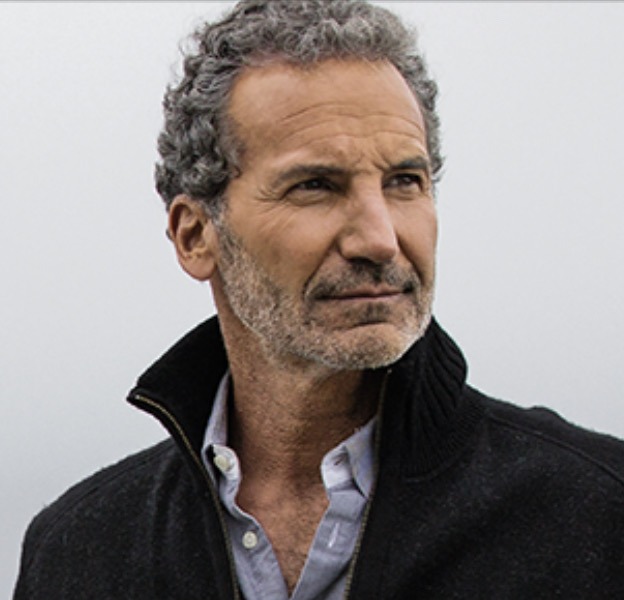
Paul Cayard is a name synonymous with excellence in the world of sailing. Born on May 19, 1959, in San Francisco, Cayard has carved out a legacy that spans decades, cementing his place as one of the most accomplished and respected sailors of his generation. His journey from a young boy with a passion for the water to a world-renowned yachtsman is a story of determination, skill, and an unyielding drive for success. In this comprehensive exploration, we delve into Paul Cayard’s life, highlighting his age, his rise to fame, and the milestones that have defined his career.
Early Life and Beginnings in Sailing
Paul Cayard was born into an environment that was as artistic as it was inspiring. His father was a scenic artist at the San Francisco Opera, which exposed young Paul to a world of creativity and meticulous attention to detail. However, it was the allure of the sea that captured his imagination. From a young age, Cayard was drawn to the water, and by the time he was a teenager, he had already begun to make a name for himself in the world of sailing.
Cayard’s early sailing experiences were shaped by two influential figures: Tom Blackaller, a legendary American yachtsman, and Raul Gardini, a prominent Italian entrepreneur. Blackaller, whom Cayard met at the age of 18, became a mentor and introduced him to the highly competitive world of Star class sailing. It was under Blackaller’s guidance that Cayard honed his skills and developed the precision and strategic thinking that would later become his trademarks.
The Rise to Fame: Star Class Champion
Paul Cayard’s breakthrough came in 1988 when he won the Star World Championship, one of the most prestigious titles in sailing. This victory not only solidified his reputation as a world-class sailor but also marked the beginning of a career that would see him compete at the highest levels of the sport. The Star class, known for its demanding nature and the high level of competition, was the perfect proving ground for Cayard’s talents.
Winning the Star World Championship was a pivotal moment in Cayard’s career. It showcased his ability to excel under pressure and highlighted his tactical prowess. This victory also opened doors to opportunities that would define the next phase of his career.
The America’s Cup: The Quest for Glory
Paul Cayard’s association with the America’s Cup, the oldest trophy in international sport, is perhaps what he is best known for. His journey in the America’s Cup began in 1983 when he served as a crew member on Defender, skippered by Tom Blackaller. Although this campaign did not result in victory, it provided Cayard with invaluable experience and set the stage for future endeavors.
In 1989, Cayard’s career took a significant turn when he was chosen by Raul Gardini to helm Il Moro di Venezia, an Italian yacht that would challenge for the 1992 America’s Cup in San Diego. This was a bold move by Gardini, placing immense trust in a relatively young skipper. Cayard did not disappoint. Under his leadership, Il Moro di Venezia won the Louis Vuitton Cup, defeating the formidable New Zealand team and securing a place in the America’s Cup finals.
Although Il Moro di Venezia ultimately lost to America^3 in the final, Cayard’s performance was nothing short of heroic. His tactical acumen, combined with his ability to inspire and lead his crew, made him a respected figure in the sailing community. The 1992 America’s Cup campaign remains one of the highlights of Cayard’s career, marking him as one of the premier sailors of his time.
Challenges and Triumphs: The Whitbread and Volvo Ocean Race
After the 1992 America’s Cup, Cayard faced the challenge of finding new opportunities in a sport that was becoming increasingly commercialized. Sponsorship was essential for competing at the highest levels, and Cayard’s next major endeavor was the Whitbread Round the World Race (now known as the Volvo Ocean Race).
In 1997-98, Cayard skippered EF Language, a yacht sponsored by EF Education. This marked Cayard’s first foray into ocean racing, a discipline that required different skills from those honed in the inshore races of the America’s Cup. The Whitbread is one of the most grueling sailing competitions, testing the endurance, navigation skills, and mental toughness of the crew over a circumnavigation of the globe.
Cayard rose to the occasion, leading EF Language to victory in the Whitbread, making him the first American skipper to win this prestigious race. The triumph was a testament to Cayard’s versatility as a sailor and his ability to adapt to the demands of offshore racing. The victory also elevated his status within the global sailing community, proving that his talents extended beyond match racing to the challenges of oceanic endurance events.
The America’s Cup Returns: AmericaOne and Luna Rossa
Following his success in the Whitbread, Paul Cayard returned to the America’s Cup arena with AmericaOne in the 2000 campaign. This time, Cayard was not only the skipper but also the driving force behind the entire campaign, from securing sponsorships to managing the team’s logistics.
AmericaOne had a strong showing in the Louis Vuitton Cup, reaching the finals but ultimately losing to the Italian syndicate Luna Rossa. This defeat was one of the most significant disappointments in Cayard’s career. Despite this setback, the campaign was notable for its professionalism and the high level of competition it brought to the America’s Cup.
The rivalry between AmericaOne and Luna Rossa was one of the most compelling narratives of the 2000 America’s Cup. The close competition between these two teams captivated sailing fans worldwide and underscored the unpredictability and drama that is the hallmark of the America’s Cup.
Beyond the Helm: Broadcasting and Team Management
As Paul Cayard’s active sailing career began to wind down, he transitioned into other roles within the sport. In 2007, he took on the role of commentator for Italy’s La7 television network, providing expert analysis and insights during the America’s Cup broadcasts. His deep knowledge of the sport and articulate commentary made him a respected voice in the sailing community.
Cayard also took on leadership roles within various teams, most notably as the sports director of Desafío Español, the Spanish challenger for the 2007 America’s Cup. His experience and strategic thinking were invaluable in guiding the team through the highly competitive environment of the America’s Cup.
From 2009 to 2012, Cayard was part of Artemis Racing, serving as a key member of the team that challenged for the 34th America’s Cup. His involvement with Artemis Racing highlighted his continued passion for the sport and his desire to contribute to its development, even as his days as a competitor began to wane.
The Pirates of the Caribbean: Volvo Ocean Race and Beyond
In 2006, Paul Cayard returned to ocean racing, this time leading the Pirates of the Caribbean team in the Volvo Ocean Race. The campaign was notable not only for its strong performance, finishing second overall but also for the unique sponsorship by Walt Disney, aimed at promoting the Pirates of the Caribbean film franchise.
The Pirates of the Caribbean campaign was a marriage of sport and entertainment, with Cayard at the helm of a team that blended competitive excellence with global brand promotion. This campaign further demonstrated Cayard’s ability to innovate and adapt, finding new ways to keep sailing relevant in a rapidly changing world.
Legacy and Continuing Influence
Paul Cayard’s influence on the world of sailing extends far beyond his victories and championships. He is a pioneer who has helped shape modern competitive sailing through his leadership, innovation, and relentless pursuit of excellence. His contributions to the sport have been recognized with numerous accolades, including his induction into the National Sailing Hall of Fame in 2011.
As of 2023, Paul Cayard remains actively involved in the sport, particularly in mentoring and supporting the next generation of American sailors. His commitment to the development of the sport in the United States continues to inspire young sailors, ensuring that his legacy will endure for years to come.
Conclusion
Paul Cayard’s life and career are a testament to the power of passion, perseverance, and adaptability. From his early days in San Francisco to his rise as one of the world’s premier sailors, Cayard has consistently pushed the boundaries of what is possible in the sport of sailing. His achievements in the America’s Cup, the Whitbread Round the World Race, and other prestigious competitions have left an indelible mark on the sport.
Cayard’s legacy is not only defined by his victories but also by his leadership, his ability to inspire others, and his unwavering dedication to the pursuit of excellence. As the world of sailing continues to evolve, Paul Cayard’s name will remain synonymous with the highest standards of competition and sportsmanship.


