
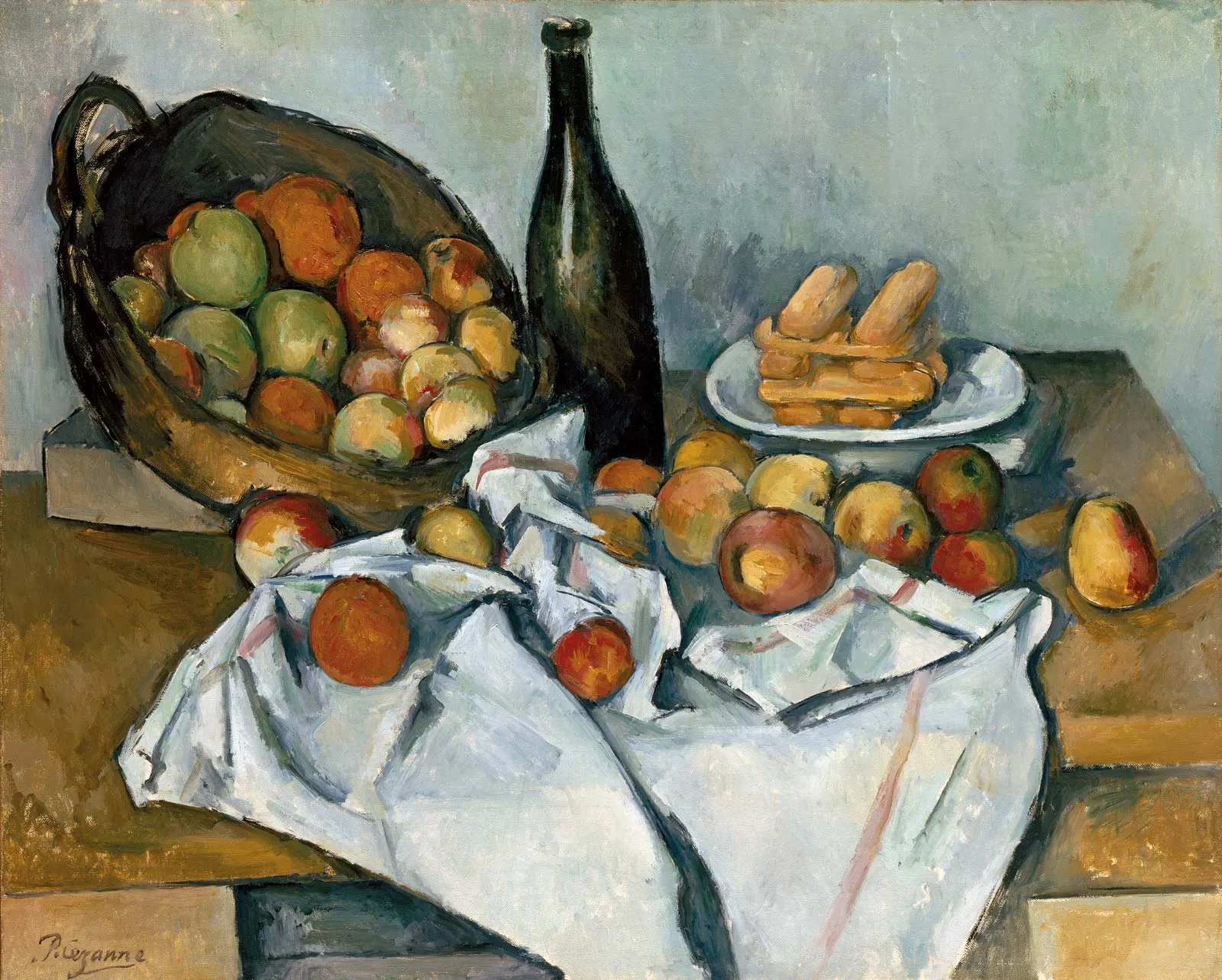
Paul Cézanne, born on January 19, 1839, in Aix-en-Provence, France, is celebrated as a foundational figure in the transition from 19th-century artistic traditions to the revolutionary techniques of modern art. Known for his role in the development of Post-Impressionism, Cézanne’s work laid crucial groundwork for the evolution of contemporary art. This exploration delves into Cézanne’s life, his artistic journey, and the enduring impact of his contributions to the art world.
Early Life and Education
Paul Cézanne was born into an affluent family, which afforded him opportunities for education and artistic development. Initially, he pursued studies in law at the University of Aix-en-Provence, a path he abandoned in favor of his true passion—art. Cézanne’s early artistic education began at the École de Dessin in Aix, where he honed his drawing skills. He later moved to Paris, attending the Académie Suisse, where he encountered and befriended many prominent artists of the time.
Despite his early struggles, including being rejected by the prestigious École des Beaux-Arts, Cézanne’s commitment to art remained steadfast. His time in Paris was marked by both personal and professional development, forming key relationships with fellow artists and immersing himself in the vibrant artistic scene of the city.
Cézanne and the Impressionist Movement
Cézanne’s relationship with Impressionism was complex. While initially resistant to the movement’s radical departure from traditional techniques, he eventually embraced some of its principles. His early works, such as “The Pain” and “The Donkey and the Thieves,” are reflective of a Romantic style with dark tones and heavy paint application. It was not until around 1873 that Cézanne began to explore Impressionist techniques more fully, signified by works like “The House of the Hanged Man in Auvers.”
During the Franco-Prussian War of 1870, Cézanne relocated to L’Estaque near Marseille with his model and future wife, Hortense Fiquet. This period marked a shift in his approach, as he began experimenting with the Impressionist style. Despite his evolving techniques, Cézanne’s early works did not gain the critical acclaim he sought, and his initial exhibitions with the Impressionist group were met with lukewarm receptions.
The Post-Impressionist Era
The 1880s and 1890s were pivotal in Cézanne’s career. After a series of unsuccessful exhibitions with the Impressionists, he distanced himself from the group and focused on developing his unique style. This period saw Cézanne retreat to Provence, where he dedicated himself to refining his technique and exploring themes that would become central to his oeuvre.
Cézanne’s work during this time was characterized by a focus on form and color, emphasizing the structural aspects of his subjects. He extensively painted landscapes of L’Estaque and the Montagne Sainte-Victoire, as well as still lifes and portraits, including the famous “Madame Cézanne in the Red Armchair.” His approach was marked by the use of geometric shapes and a systematic exploration of color and light, which contributed to the visual language of Cubism and influenced future generations of artists.
Major Works and Artistic Innovations
One of Cézanne’s most notable contributions to art is his methodical approach to capturing the essence of his subjects through simplified forms and a distinctive brushstroke technique. His still lifes, such as “The Basket of Apples,” exemplify his innovative use of perspective and color to create a sense of depth and volume.
His series of paintings featuring the Montagne Sainte-Victoire are particularly significant, showcasing his ability to convey the spatial and atmospheric qualities of the landscape. Cézanne’s emphasis on geometric structure and color theory in these works was revolutionary, laying the groundwork for modern artistic movements.
The culmination of Cézanne’s work can be seen in “The Large Bathers,” a masterpiece that represents the synthesis of his explorations into form, color, and composition. This work reflects his desire to merge classical and modern elements, bridging the gap between traditional and avant-garde art.
Later Life and Legacy
Cézanne’s later years were marked by a growing recognition of his artistic achievements. Despite health issues, including diabetes, he continued to work diligently on his art. His solo exhibition in 1895 was a critical success, and his reputation grew steadily over the next decade. The 1904 Salon d’Automne exhibition further solidified his status as a leading figure in the art world.
Cézanne’s influence extended well beyond his lifetime. His innovative approach to composition, color, and form had a profound impact on the development of Cubism and other modern art movements. Artists such as Pablo Picasso and Georges Braque were deeply inspired by Cézanne’s work, incorporating elements of his style into their own groundbreaking practices.
Paul Cézanne passed away on October 22, 1906, in Aix-en-Provence. His legacy endures through his revolutionary contributions to art and his influence on subsequent artistic developments. Cézanne’s ability to blend rigorous technique with expressive color and form continues to be celebrated and studied by art historians, critics, and enthusiasts.
Conclusion
Paul Cézanne’s journey from a wealthy background to becoming a trailblazer in modern art is a testament to his dedication and innovative spirit. His artistic legacy, marked by a unique approach to form, color, and composition, has left an indelible mark on the history of art. Cézanne’s work not only bridged the gap between 19th-century traditions and 20th-century innovations but also set the stage for future artistic explorations.
As a pioneer of Post-Impressionism, Cézanne’s contributions continue to inspire and influence the art world. His ability to transform simple subjects into profound visual statements underscores his role as a revolutionary figure in art history. Paul Cézanne’s enduring impact ensures that his work remains a cornerstone of artistic innovation and a source of inspiration for artists and audiences alike.


