
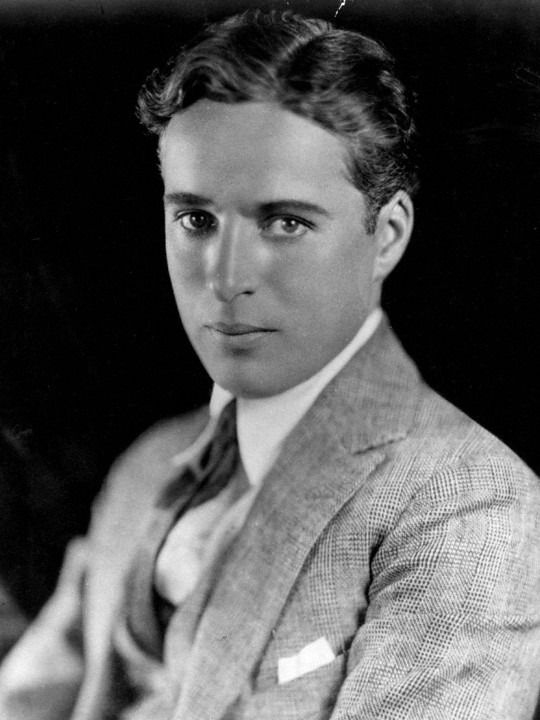
Charlie Chaplin, one of the most iconic figures in film history, was born Charles Spencer Chaplin on April 16, 1889, in London. His journey from a troubled childhood in the suburbs of London to becoming a global superstar is a tale of resilience, genius, and an unwavering commitment to his craft. This article explores the life, fame, and enduring legacy of Charlie Chaplin, providing detailed insights into his rise to prominence, his contributions to cinema, and the challenges he faced along the way.
Early Life and Background
Charlie Chaplin’s early life was marked by hardship and adversity. Born into poverty, his father was a music hall performer with a penchant for alcohol, while his mother was a struggling singer. The instability of his parents’ careers and their subsequent separation led to a tumultuous childhood for Charlie and his older brother, Sidney. The brothers were placed in an orphanage for two years due to their mother’s inability to care for them.
Despite these early struggles, Chaplin developed a strong desire to improve his circumstances. His intelligence, coupled with an acute sense of observation, allowed him to perceive the harsh realities of life in ways that others could not. This understanding of the human condition would later become a cornerstone of his work as a filmmaker and comedian.
At the age of seven, Chaplin made his first appearance on stage as a singer. By the time he was fourteen, he had secured small roles in theater productions, including a part in a Sherlock Holmes play that toured extensively. These early experiences on stage provided Chaplin with a deep understanding of the entertainment industry, and by the age of nineteen, he joined Fred Karno’s prestigious pantomime troupe. This experience would prove crucial in shaping his future career.
The Rise of a Cinematic Legend
Charlie Chaplin’s introduction to the world of cinema came in 1913 during a tour in Hollywood with the Karno troupe. It was there that he caught the attention of producer Mack Sennett, who offered him a contract with Keystone Studios. Chaplin’s first film appearance was in the 1914 short “Making a Living.” However, it was his creation of the character “The Tramp,” also known as “Charlot,” that would catapult him to fame.
The Tramp, with his signature outfit of a bowler hat, tight jacket, oversized trousers, and cane, became one of the most beloved characters in film history. Chaplin’s portrayal of the Tramp, a lovable but unlucky vagabond, resonated with audiences worldwide. The character’s ability to convey deep emotions through subtle gestures and expressions set Chaplin apart from his contemporaries.
Chaplin’s early work was prolific. In 1914 alone, he produced 35 short films for Keystone, quickly establishing himself not just as an actor but also as a director. His ability to blend humor with pathos allowed him to connect with audiences on a profound level. By 1918, Chaplin had become one of the most famous people in the world, signing a million-dollar contract with First National, a sum unheard of at the time.
Iconic Films and Creative Mastery
The 1920s and 1930s marked the peak of Chaplin’s career. During this period, he produced some of his most iconic films, many of which are still regarded as masterpieces of cinema. After founding United Artists in 1919 with Douglas Fairbanks, Mary Pickford, and D.W. Griffith, Chaplin gained complete creative control over his work.
Among his most famous films from this era are “The Gold Rush” (1925), “City Lights” (1931), and “Modern Times” (1936). Each of these films showcased Chaplin’s unique ability to combine comedy with social commentary. “The Gold Rush,” for instance, features the Tramp in a story of survival and human resilience set against the backdrop of the Klondike Gold Rush. The film includes some of Chaplin’s most famous scenes, such as the Tramp eating his shoe out of hunger.
“City Lights,” often considered Chaplin’s greatest film, tells the story of the Tramp’s love for a blind flower girl. The film’s ending, where the girl finally sees the Tramp for who he is, remains one of the most poignant moments in film history. Chaplin’s decision to make “City Lights” as a silent film, despite the advent of talkies, was a testament to his belief in the power of visual storytelling.
“Modern Times” marked Chaplin’s last appearance as the Tramp and was a satirical take on the dehumanizing effects of industrialization. The film’s iconic scene, where the Tramp is caught in the gears of a giant machine, became a symbol of the struggle between man and modern technology. Despite the film’s comedic tone, it offered a sharp critique of the social and economic conditions of the time.
Personal Life and Public Perception
While Chaplin’s professional life was marked by unparalleled success, his personal life was often fraught with controversy. Chaplin was married four times and had eleven children, leading to much public speculation and gossip. His relationships, particularly with much younger women, were often the subject of media scrutiny.
One of the most significant controversies in Chaplin’s life was his political beliefs. His alleged communist sympathies and criticism of American capitalism led to increased scrutiny by the U.S. government. In 1947, Chaplin was called to testify before the House Un-American Activities Committee (HUAC), where he was questioned about his political affiliations. Although he denied being a communist, the accusations damaged his reputation.
In 1952, while on a trip to London, Chaplin learned that his re-entry permit to the United States had been revoked. As a result, he decided to settle in Switzerland with his family, where he lived for the remainder of his life. Despite the political turmoil, Chaplin continued to work, producing films such as “A King in New York” (1957) and “A Countess from Hong Kong” (1967).
Later Years and Legacy
Chaplin’s later years were marked by a return to his roots in Europe, where he continued to be celebrated as one of the greatest filmmakers of all time. In 1972, after two decades of exile, Chaplin returned to the United States to receive an honorary Academy Award for “the incalculable effect he has had in making motion pictures the art form of this century.” The standing ovation he received at the Oscars was one of the longest in the history of the ceremony.
Chaplin’s influence on cinema is immeasurable. His ability to blend humor with serious themes, his mastery of visual storytelling, and his creation of the Tramp character have left an indelible mark on the industry. His work has inspired countless filmmakers, actors, and comedians, and his films continue to be studied and admired by new generations.
In addition to his honorary Oscar, Chaplin received numerous accolades throughout his life, including a knighthood from Queen Elizabeth II in 1975. His final years were spent in relative seclusion at his home in Vevey, Switzerland, where he passed away on December 25, 1977.
Historical Context and Cinematic Innovations
Charlie Chaplin’s rise to fame coincided with a period of significant change in the film industry. The early 20th century saw the transition from silent films to talkies, the growth of Hollywood as the center of the global film industry, and the increasing influence of cinema on popular culture. Chaplin navigated these changes with remarkable skill, often setting trends rather than following them.
One of Chaplin’s most notable contributions to cinema was his pioneering use of visual comedy. In an era when many filmmakers relied heavily on dialogue and intertitles, Chaplin demonstrated the power of physical comedy and visual storytelling. His films are rich with inventive sight gags, physical humor, and expressive body language, allowing him to communicate complex emotions and ideas without words.
Chaplin also pushed the boundaries of what comedy could achieve. While many of his contemporaries focused on pure entertainment, Chaplin used humor as a vehicle for social critique. His films often addressed serious issues such as poverty, class inequality, and the dehumanizing effects of modernity. By blending comedy with social commentary, Chaplin created films that were not only entertaining but also thought-provoking and reflective of the times.
The Enduring Legacy of Charlie Chaplin
Today, Charlie Chaplin’s legacy endures as one of the most significant figures in the history of cinema. His work continues to influence filmmakers and entertain audiences around the world. The themes of his films—love, resilience, the struggle against adversity—are universal, ensuring that they remain relevant even in the modern era.
Chaplin’s influence extends beyond the world of cinema. His iconic image as the Tramp, with his bowler hat and cane, has become a symbol of the early 20th century and is instantly recognizable even to those who have never seen his films. The Tramp represents the everyman, struggling against the odds with humor and dignity—a character that resonates across cultures and generations.
In addition to his artistic contributions, Chaplin’s life story serves as an inspiration. His rise from poverty to global fame, his resilience in the face of personal and professional challenges, and his unwavering commitment to his craft demonstrate the power of creativity and determination.
As we look back on Chaplin’s life and work, it is clear that his contributions to cinema and culture are unparalleled. He was not just a filmmaker or comedian; he was a visionary artist who used his talents to explore the human condition and bring joy to millions. Charlie Chaplin’s name will forever be synonymous with the golden age of cinema, and his work will continue to inspire and entertain for generations to come.


