
Introduction
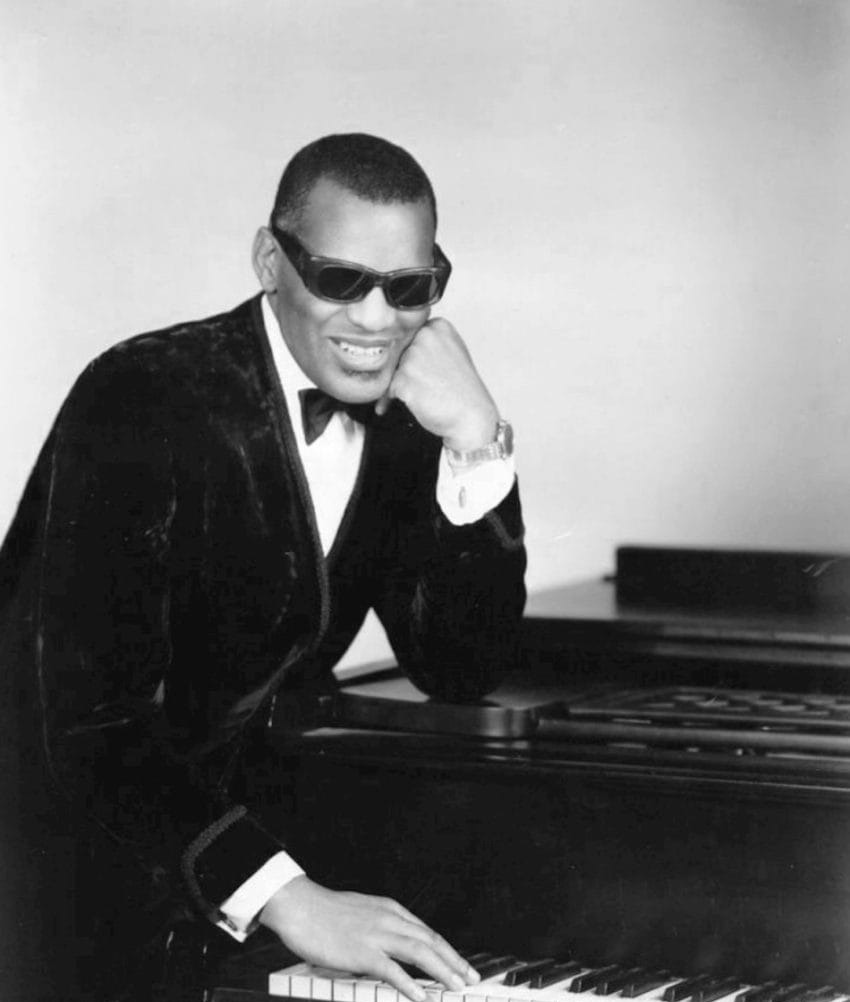
Ray Charles, born Ray Charles Robinson on September 23, 1930, in Albany, Georgia, is often hailed as one of the most influential figures in American music. His groundbreaking contributions to the genres of soul, R&B, and gospel earned him the title “The Genius,” a moniker that aptly captures his remarkable ability to blend diverse musical styles into a unique, emotionally resonant sound. Ray Charles’ life and career are not just stories of artistic triumph but also tales of personal resilience and the transformative power of music. This article provides an in-depth look at Ray Charles’ life, exploring his age, rise to fame, and the significant highlights that marked his journey from obscurity to international stardom.
Early Life and Challenges
Ray Charles’ early years were marked by both promise and profound hardship. Born to Bailey and Aretha Robinson in the segregated South, Charles was introduced to music at a young age. His mother, a deeply religious woman, exposed him to gospel music, which would later serve as a foundation for his musical explorations. However, Charles’ childhood was also filled with unimaginable challenges. At the tender age of five, he began to lose his sight due to glaucoma, a condition that would leave him completely blind by the age of seven.
Despite this life-altering disability, Charles’ mother was determined that her son would lead an independent life. She enrolled him in the Florida School for the Deaf and Blind in St. Augustine, where he learned to read and write music in Braille. It was during this time that Charles began to develop his prodigious talent for music, learning to play the piano, clarinet, and saxophone. His early exposure to a wide range of musical styles, from classical to jazz, laid the groundwork for the eclectic approach to music that would define his career.
The Birth of a Musical Genius
By the late 1940s, Ray Charles had begun to make a name for himself as a musician. After leaving school, he moved to Seattle, Washington, where he formed his first band, the McSon Trio, in 1947. Modeled after the popular Nat King Cole Trio, Charles’ group quickly gained a following in the local jazz scene. It was during this period that he dropped his last name, Robinson, to avoid confusion with the legendary boxer Sugar Ray Robinson.
Charles’ first significant breakthrough came in 1949 with the release of “Confession Blues,” a song that showcased his unique ability to blend blues, jazz, and gospel influences. The track was a modest success, but it hinted at the genius that would soon captivate the world. Over the next few years, Charles continued to hone his craft, developing a distinctive style characterized by his soulful voice, innovative piano playing, and a deep understanding of musical dynamics.
The Rise to Fame: Defining the Sound of Soul
The 1950s marked the beginning of Ray Charles’ ascent to stardom. His signing with Atlantic Records in 1952 proved to be a turning point in his career. Under the guidance of producer Jerry Wexler, Charles began to experiment more boldly with his music, fusing elements of gospel, blues, and jazz to create a sound that was both deeply spiritual and undeniably secular. This fusion of sacred and profane, epitomized by hits like “I Got a Woman” (1954) and “Hallelujah I Love Her So” (1956), laid the foundation for what would become known as soul music.
“I Got a Woman,” in particular, was a groundbreaking track that showcased Charles’ ability to transform traditional gospel music into something new and exciting. The song’s success marked the beginning of a string of hits that would establish Charles as one of the leading figures in the burgeoning soul music scene. Songs like “Drown in My Own Tears” (1956), “This Little Girl of Mine” (1955), and “Talkin’ ‘Bout You” (1957) further solidified his reputation as a pioneer of a new, emotionally charged style of music that resonated with a wide audience.
The 1960s: A Decade of Triumphs and Trials
The 1960s were a period of both triumph and turmoil for Ray Charles. In 1960, he released one of his most iconic songs, “Georgia on My Mind,” which became a defining moment in his career. The song, a heartfelt tribute to his home state, was a commercial and critical success, earning Charles his first Grammy Award. “Georgia on My Mind” not only showcased Charles’ incredible vocal talent but also demonstrated his ability to convey deep emotion through his music.
During this time, Charles continued to push the boundaries of genre, experimenting with country music on his album “Modern Sounds in Country and Western Music” (1962). The album was a bold departure from his previous work, blending elements of country, pop, and soul in a way that had never been done before. The single “I Can’t Stop Loving You” from this album became one of his biggest hits, reaching number one on the Billboard Hot 100 chart and further cementing his status as a musical innovator.
However, the 1960s also brought significant challenges for Charles. Despite his professional success, his personal life was marred by struggles with addiction. Charles had begun using heroin in the 1940s, and by the mid-1960s, his drug use had become a serious problem. In 1965, he was arrested for possession of heroin, a charge that led to a brief stint in rehab. Charles eventually overcame his addiction, but the experience left a lasting impact on his life and career.
Ray Charles and the Evolution of Music
Ray Charles’ influence on music extends far beyond his own recordings. Throughout his career, he collaborated with a wide range of artists across different genres, further expanding the boundaries of popular music. His ability to seamlessly blend genres made him a sought-after collaborator, and he worked with some of the biggest names in the music industry, including Quincy Jones, Aretha Franklin, and Willie Nelson.
One of the most notable collaborations in Charles’ career was with the legendary blues guitarist Guitar Slim. Their 1953 recording of “The Things That I Used to Do” was a major hit and became one of the best-selling R&B singles of the year. This collaboration not only boosted Charles’ profile in the music industry but also showcased his versatility as a musician, able to move effortlessly between different styles and genres.
Charles’ influence can also be seen in the way he helped to shape the sound of modern pop music. His innovative approach to blending gospel, blues, and jazz with popular music paved the way for future generations of musicians. Artists like Stevie Wonder, Billy Joel, and Alicia Keys have all cited Charles as a major influence on their work, and his impact on the music industry continues to be felt today.
The Later Years: Legacy and Final Performances
As the years went on, Ray Charles continued to record and perform, though the frequency of his releases slowed down. Despite facing health challenges, including a battle with liver disease, Charles remained active in the music industry, performing until the final years of his life. One of his last major public appearances was at the 1994 Super Bowl, where he performed “America the Beautiful,” a song he had famously recorded in 1972.
Charles’ final years were marked by numerous accolades and recognitions for his contributions to music. In 1986, he was one of the first inductees into the Rock and Roll Hall of Fame, an honor that solidified his status as a pioneering figure in the history of American music. He also received the Kennedy Center Honors in 1986 and the National Medal of Arts in 1993, further acknowledging his impact on the cultural landscape of the United States.
In 2004, Ray Charles passed away at the age of 73 in Beverly Hills, California, due to complications from liver disease. His death marked the end of an era in American music, but his legacy lives on through his recordings and the countless artists he inspired.
Ray Charles’ Enduring Legacy
Ray Charles’ legacy is not just one of musical innovation; it is also a story of perseverance and the transformative power of music. Despite the numerous obstacles he faced throughout his life—blindness, addiction, and legal troubles—Charles never allowed these challenges to define him. Instead, he used his music as a means of expressing his deepest emotions and connecting with audiences around the world.
Charles’ ability to blend different musical styles into a cohesive whole has had a lasting impact on the music industry. His work laid the foundation for the development of soul music and influenced countless artists across genres. Today, his music continues to be celebrated for its emotional depth, technical brilliance, and timeless appeal.
In many ways, Ray Charles’ life and career embody the essence of the American Dream. He rose from humble beginnings to become one of the most influential musicians of the 20th century, all while staying true to his unique vision and artistic integrity. As we look back on his life and legacy, it is clear that Ray Charles was not just a musical genius—he was a cultural icon whose impact will be felt for generations to come.
Conclusion
Ray Charles’ life is a testament to the power of music and the resilience of the human spirit. From his early days in Georgia to his rise as a global musical icon, Charles’ journey was one of extraordinary talent, determination, and innovation. His contributions to the world of music are immeasurable, and his influence can still be heard in the work of contemporary artists today. Ray Charles may have passed away, but his legacy lives on, reminding us of the enduring power of music to uplift, inspire, and connect us all.


