
Introduction
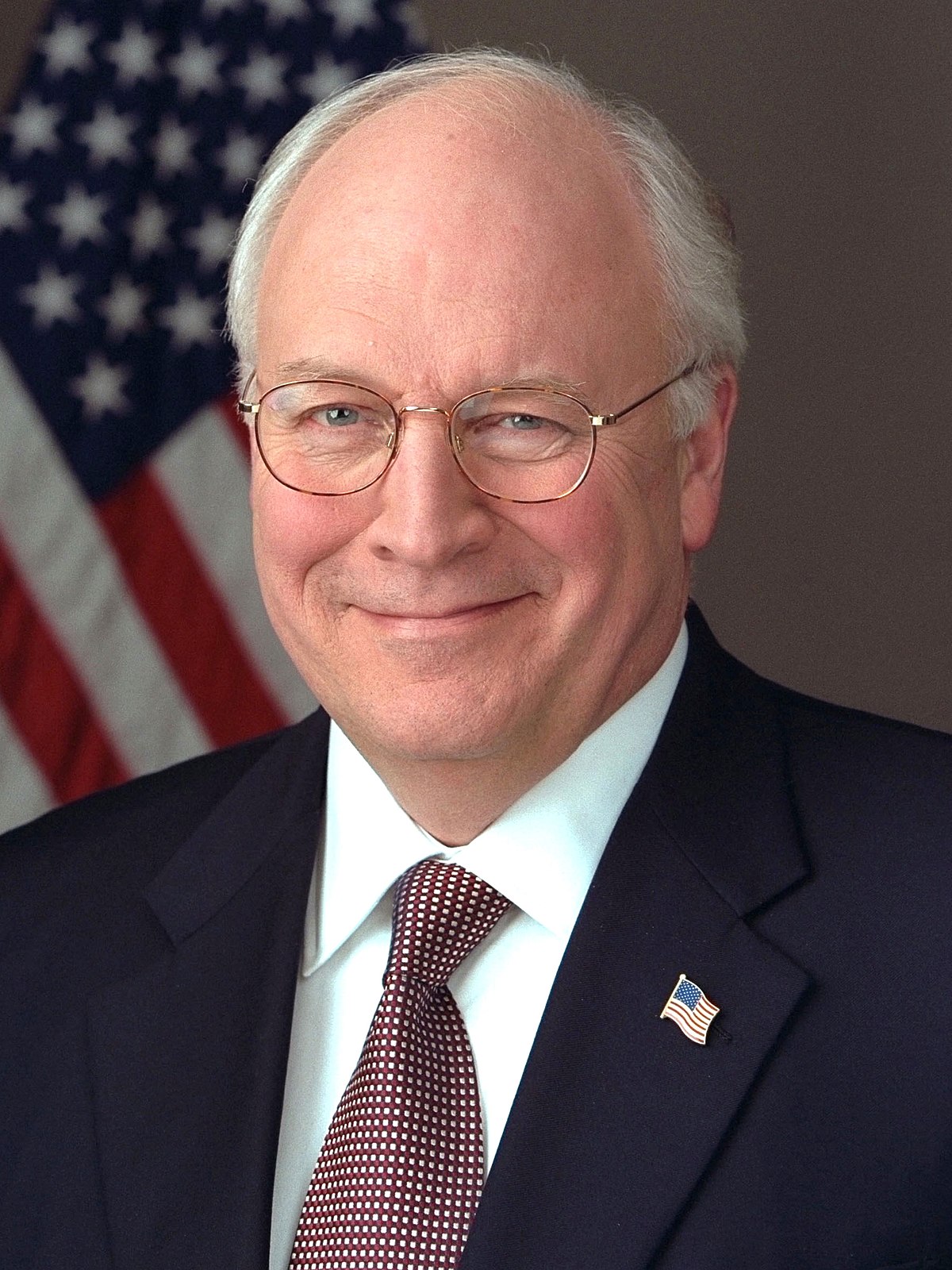
Dick Cheney, born Richard Bruce Cheney on January 30, 1941, in Lincoln, Nebraska, is a name that resonates with power, influence, and controversy in American politics. Cheney’s journey from a small town in Nebraska to the upper echelons of political power is nothing short of extraordinary. As one of the most powerful vice presidents in U.S. history, Cheney’s life and career offer a deep insight into the workings of American politics, especially during the tumultuous years of the early 21st century. This article delves into the life of Dick Cheney, exploring his age, the heights of fame he achieved, and the significant milestones that defined his career.
Early Life and Education
Cheney was born into a middle-class family in Lincoln, Nebraska, to Marjorie and Richard Cheney. His upbringing in a stable, supportive environment laid the groundwork for his future endeavors. After attending Calvert Elementary School, Cheney’s family moved to Casper, Wyoming, where he completed his high school education at Natrona County High School.
Cheney’s academic journey was marked by ambition and determination. He initially enrolled at Yale University but left before completing his degree. Cheney then transferred to the University of Wyoming, where he earned a bachelor’s degree in political science in 1965. His time at university coincided with the Vietnam War era, a period marked by political turmoil and societal upheaval in the United States. Cheney’s decision to focus on his studies allowed him to defer military service, a decision that would later become a point of contention in his political career.
The 1960s: Formative Years
The 1960s were a transformative period for Cheney, both personally and professionally. In 1964, Cheney married Lynne Ann Vincent, a woman he had met during his high school years. Their marriage marked the beginning of a partnership that would play a significant role in Cheney’s political journey. Around the same time, Cheney faced personal challenges, including two arrests for driving under the influence. These incidents prompted a period of introspection and a shift in his approach to life, setting the stage for his future political ambitions.
Political Ascent in the 1970s
Cheney’s political career began in earnest in 1969 when he started working for the Nixon administration. His initial role was within the Office of Economic Opportunity, where he quickly demonstrated his political acumen. Cheney’s rise was meteoric; by 1974, he was serving as the Deputy Assistant to President Gerald Ford. His reputation as a capable and reliable aide earned him the position of White House Chief of Staff in 1975, making him the youngest person ever to hold this role at the time. Cheney’s tenure as Chief of Staff was marked by his pragmatic approach to governance and his ability to navigate the complexities of Washington politics.
The 1980s: Consolidation of Power
After serving in various capacities in the Ford administration, Cheney returned to Wyoming, where he was elected to the U.S. House of Representatives in 1978. He served as a congressman for five consecutive terms, representing Wyoming’s at-large congressional district. During his time in Congress, Cheney built a reputation as a staunch conservative, advocating for a strong national defense and limited government intervention in the economy.
In 1989, Cheney was appointed as Secretary of Defense by President George H.W. Bush. His tenure at the Pentagon was defined by two major military operations: Operation Just Cause in Panama and Operation Desert Storm in Iraq. Cheney’s handling of these conflicts solidified his reputation as a decisive and effective leader in matters of national security.
The 1990s: A Shift to the Private Sector
The 1990s marked a period of transition for Cheney. With the election of Bill Clinton in 1992, Cheney’s political influence appeared to wane. He briefly left public service and entered the private sector, becoming the CEO of Halliburton, a multinational corporation involved in oilfield services and construction. Cheney’s tenure at Halliburton was financially lucrative, but it also drew criticism due to the company’s ties to the U.S. government and its role in the Iraq War.
During this period, Cheney co-founded the Project for a New American Century (PNAC) in 1997, a think tank advocating for American global leadership. PNAC’s influence on U.S. foreign policy, particularly during the George W. Bush administration, cannot be understated. Cheney’s involvement with PNAC underscored his unwavering commitment to a robust and assertive U.S. foreign policy.
The 2000s: The Vice Presidency and Beyond
Cheney’s return to the political arena came in 2000 when he was selected as the running mate for George W. Bush in the presidential election. This decision surprised many political observers, but it proved to be a pivotal moment in Cheney’s career. Following Bush’s victory, Cheney became the 46th Vice President of the United States on January 20, 2001.
Cheney’s vice presidency was characterized by his significant influence over the Bush administration’s policies, particularly in the areas of national security and foreign policy. Following the September 11, 2001, terrorist attacks, Cheney played a central role in shaping the U.S. response, including the controversial decisions to invade Afghanistan and Iraq. Cheney’s advocacy for the use of enhanced interrogation techniques and warrantless surveillance programs generated significant debate and criticism, yet he remained steadfast in his belief that these measures were necessary to protect the nation.
In 2003, Cheney was a key proponent of the invasion of Iraq, arguing that Saddam Hussein’s regime possessed weapons of mass destruction (WMDs). The subsequent failure to find WMDs in Iraq damaged the credibility of the Bush administration and led to widespread criticism of Cheney’s role in promoting the war. Despite the controversies, Cheney was re-elected alongside Bush in 2004 and served a second term as Vice President.
During his second term, Cheney continued to exert considerable influence within the administration. However, his health became a growing concern. Cheney suffered from multiple heart attacks and underwent several medical procedures, including an operation to repair a bilateral aneurysm in 2005. His health issues, coupled with the ongoing controversies surrounding the Iraq War and the Bush administration’s counterterrorism policies, contributed to his decision to retire from politics at the end of Bush’s second term.
Post-Vice Presidency and Legacy
After leaving office in 2009, Cheney remained an active and vocal figure in American politics. He continued to defend the Bush administration’s policies and frequently criticized the Obama administration’s approach to national security. Cheney’s memoir, “In My Time,” published in 2011, offered a detailed account of his career and provided insight into his views on the key events of his life.
Cheney’s legacy is a complex one. To his supporters, he is a patriot who made tough decisions in difficult times, prioritizing national security above all else. To his critics, Cheney is a symbol of the excesses of executive power, whose policies contributed to prolonged conflicts and eroded civil liberties. Regardless of one’s perspective, there is no denying that Dick Cheney was one of the most consequential political figures of his time.
Conclusion
Dick Cheney’s life and career are a testament to the enduring impact that one individual can have on the course of history. From his early days in Wyoming to the corridors of power in Washington, Cheney’s influence has been felt in both domestic and international arenas. As he continues to reflect on his legacy, Cheney’s story serves as a reminder of the complexities of leadership and the difficult choices that define the lives of those who hold power.


