
Introduction
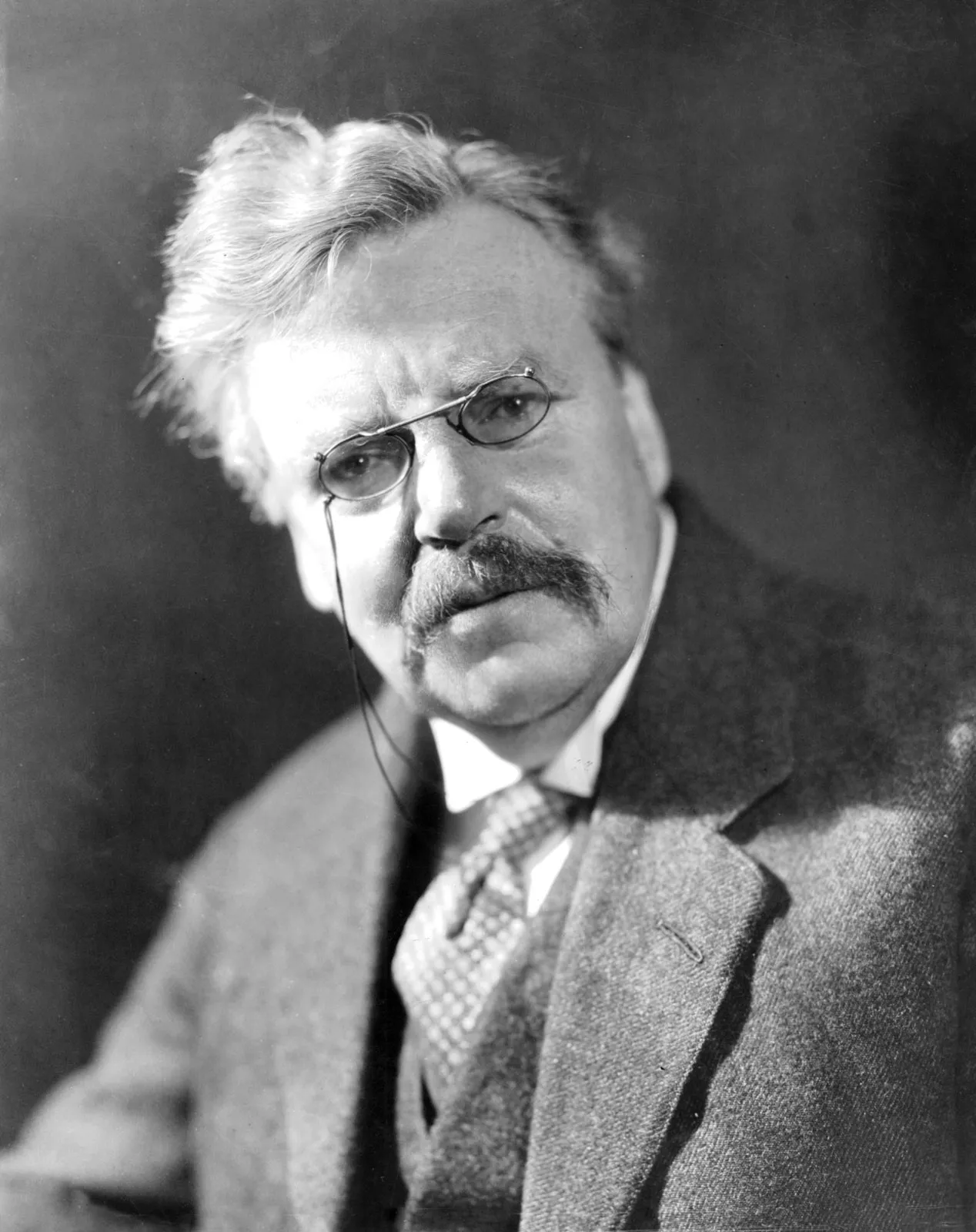
Gilbert Keith Chesterton, born on May 29, 1874, in London, England, was a towering figure in the literary world, known for his prolific output as an author, journalist, and philosopher. Renowned for his wit, insight, and unique perspective, Chesterton’s works have left an indelible mark on literature and intellectual thought. This article delves into Gilbert Keith Chesterton’s age, fame, and significant life highlights, providing detailed insights into his contributions and exploring the historical context that influenced his remarkable career.
Early Life and Education
Gilbert Keith Chesterton was born into a middle-class family in London. His early life was shaped by the cultural and intellectual milieu of late Victorian England, a period characterized by significant social and political change.
Family Background and Early Education
Chesterton’s parents, Edward Chesterton and Marie Grosjean Chesterton, provided him with a nurturing environment that encouraged intellectual curiosity. He was educated at St. Paul’s School, where his academic prowess became evident. Despite his early struggles with traditional education methods, Chesterton’s creative talents and voracious reading habits laid the foundation for his future literary career.
Artistic Influences
Chesterton’s exposure to literature, art, and philosophy during his formative years profoundly influenced his worldview. The intellectual climate of the time, with its debates on religion, politics, and society, played a crucial role in shaping Chesterton’s perspectives and literary voice.
Career Beginnings and Literary Contributions
Chesterton began his professional career as an artist and journalist before establishing himself as a writer. His early work in journalism allowed him to develop a distinctive style and voice that would later define his literary achievements.
Journalism and Early Writings
Chesterton’s foray into journalism began in the late 19th century. His work as a journalist for various publications, including The Speaker and The Daily News, provided him with a platform to express his views on contemporary issues. His journalistic style, marked by its incisive wit and keen observations, laid the groundwork for his later success as a writer.
In 1900, Chesterton published his first book, The Man Who Was Thursday: A Nightmare, which introduced readers to his unique blend of philosophical inquiry and imaginative storytelling. This work, along with his subsequent writings, established him as a distinctive voice in contemporary literature.
Major Works and Achievements
Gilbert Keith Chesterton’s literary career is marked by a diverse range of works, including novels, essays, and poetry. His contributions to literature and thought have been celebrated for their originality, depth, and humor.
Fiction and Novels
Chesterton’s novels are among his most notable contributions to literature. One of his most famous works is The Father Brown Mysteries, a series of detective stories featuring the character Father Brown, a Catholic priest with a remarkable ability to solve crimes. The series, which began with The Innocence of Father Brown (1911), is celebrated for its innovative approach to the detective genre and its exploration of moral and philosophical themes.
Another significant novel by Chesterton is The Man Who Was Thursday (1908), a philosophical thriller that combines elements of mystery, satire, and existential reflection. The novel’s complex narrative and exploration of themes such as identity, freedom, and authority reflect Chesterton’s intellectual depth and literary ingenuity.
Essays and Non-Fiction
Chesterton’s essays and non-fiction works are equally influential. His book Orthodoxy (1908) is a key text in Christian apologetics, where he explores and defends the Christian faith with wit and intellectual rigor. This work has been praised for its clear and engaging presentation of complex theological concepts.
Heretics (1905) is another notable non-fiction work, in which Chesterton critiques contemporary thinkers and ideologies from a Christian perspective. His sharp critiques and thought-provoking arguments contribute to the book’s enduring relevance in discussions of philosophy and religion.
Poetry and Plays
In addition to his prose, Chesterton wrote poetry and plays that further showcase his literary versatility. His poetry often reflects his philosophical and religious themes, while his plays, such as The Surprise (1914), demonstrate his ability to blend humor and insight in dramatic form.
Public Life and Intellectual Influence
Chesterton’s influence extended beyond his literary achievements. His public life and intellectual contributions have had a lasting impact on various fields, including philosophy, religion, and politics.
Philosophy and Religion
Chesterton’s philosophical and religious writings have been highly influential. His work in Christian apologetics, particularly his defense of traditional Christian beliefs, has earned him recognition as one of the foremost apologists of his time. His arguments, characterized by their clarity and wit, continue to resonate with readers and scholars alike.
Political and Social Commentary
Chesterton was also known for his political and social commentary. His views on social justice, economic reform, and political ideology are reflected in his writings and public speeches. Chesterton’s advocacy for distributism—a socio-economic theory that emphasizes the distribution of property and wealth—demonstrates his commitment to addressing social inequalities and promoting economic fairness.
Legacy and Continuing Influence
Gilbert Keith Chesterton’s legacy endures through his extensive body of work and the lasting impact of his ideas. His contributions to literature, philosophy, and public thought have cemented his place as a significant figure in 20th-century intellectual history.
Literary Impact
Chesterton’s literary works continue to be widely read and studied. His innovative approach to storytelling, character development, and thematic exploration has influenced subsequent generations of writers and readers. The enduring popularity of the Father Brown Mysteries and other works attests to the lasting appeal of his literary creations.
Philosophical and Theological Influence
Chesterton’s philosophical and theological writings have left a profound impact on discussions of religion and belief. His ability to articulate complex ideas with clarity and humor has made his works essential reading for those interested in Christian apologetics and philosophical inquiry.
Cultural and Historical Significance
Chesterton’s contributions to cultural and historical debates have been recognized for their relevance and insight. His reflections on social issues, economic theories, and political ideologies continue to inform contemporary discussions and provide valuable perspectives on societal challenges.
Conclusion
Gilbert Keith Chesterton’s remarkable career as an author, journalist, and philosopher has left an enduring legacy in the realms of literature, intellectual thought, and public discourse. His innovative storytelling, incisive commentary, and thought-provoking ideas have made him a significant figure in 20th-century cultural history. As his works continue to inspire and engage readers, Chesterton’s influence remains a testament to the power of creativity and intellectual inquiry.


