
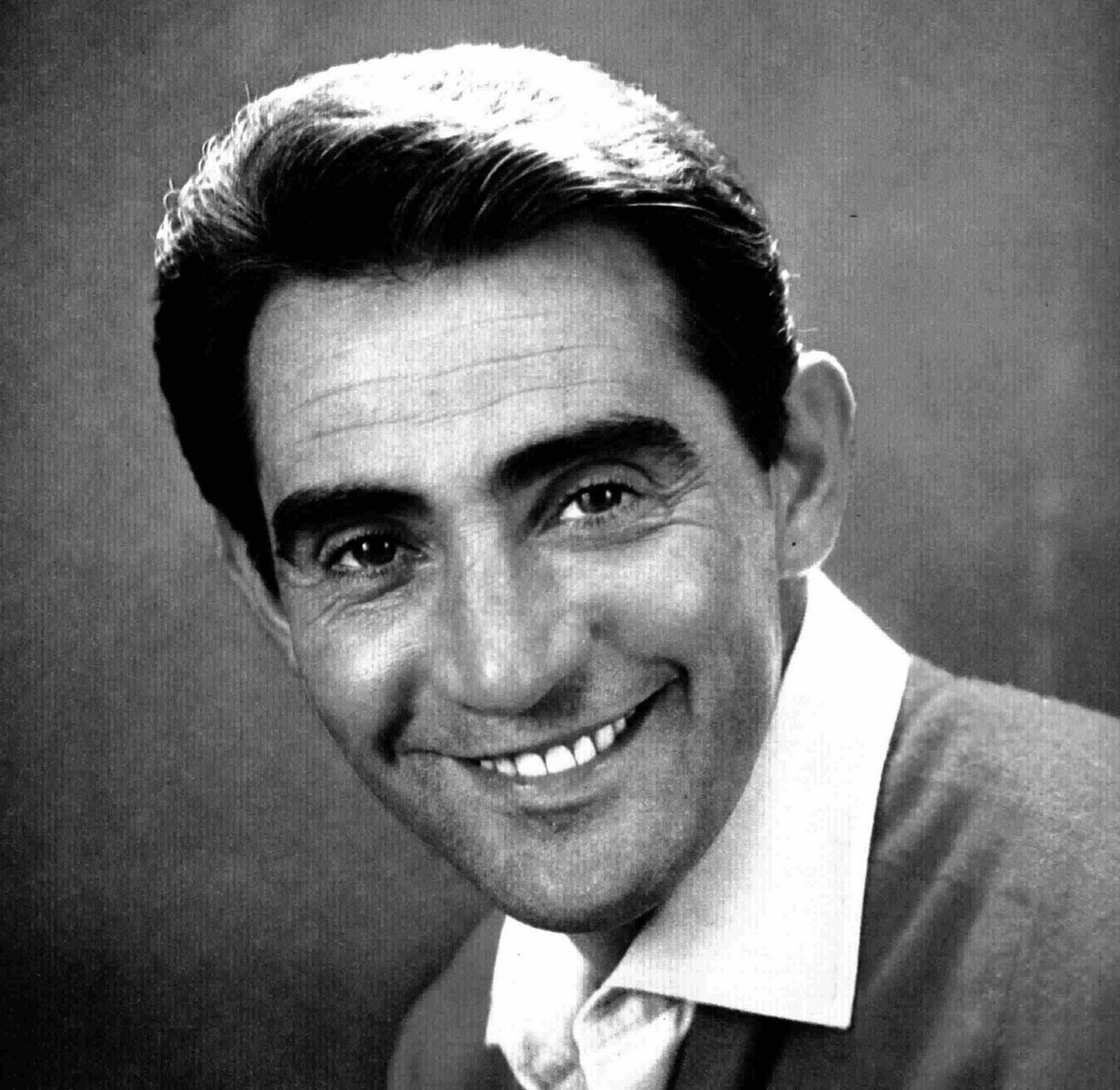
Walter Chiari, born Walter Annicchiarico on March 8, 1924, in Verona, Italy, was one of the most beloved and influential figures in Italian entertainment during the 20th century. With a career that spanned over four decades, Chiari became known for his versatility as an actor, comedian, and television host. His work on stage, screen, and television left an indelible mark on Italian culture, and his life was as colorful and dramatic as the characters he portrayed. This article delves into the life of Walter Chiari, exploring his early years, rise to fame, significant achievements, and the challenges he faced throughout his career.
Early Life and Background
From Verona to Milan: A Journey of Determination
Walter Chiari was born into a family with roots in Puglia, Southern Italy. His father was a brigadier, and the family moved to Milan when Chiari was just eight years old. Growing up in Milan, Chiari developed a passion for sports, particularly boxing. By the age of thirteen, he had joined a local boxing club, and in 1939, at just fifteen, he became the regional champion of Lombardy in the featherweight category.
However, Chiari’s love for the stage soon overshadowed his interest in boxing. After serving in the military during World War II, he began to pursue his dream of becoming an actor. His first foray into the world of entertainment was a brief appearance in the post-war theatrical production Se ti bacia Lola in 1946. This small but significant role ignited Chiari’s passion for acting and set him on the path to stardom.
The Rise to Fame
Early Success in Film and Theatre
Walter Chiari’s film debut came in 1947 with Vanità, directed by Giorgio Pastina. His performance in this film earned him a special Nastro d’Argento award for Best New Actor, signaling the beginning of a promising career in cinema. However, it was his work in the theater that truly set him apart as a unique and innovative talent.
In the 1950s, Chiari became known for his groundbreaking approach to comedy. He had an innate ability to engage with the audience, turning what might have been conventional performances into dynamic and interactive experiences. Chiari’s style was characterized by rapid-fire dialogue, improvisation, and a natural ease on stage, which allowed him to connect with audiences on a personal level.
One of his most notable early stage successes was the 1950 revue Gildo, where he demonstrated his exceptional comedic timing and versatility. His talent was further showcased in the 1951 film Bellissima, directed by Luchino Visconti and starring Anna Magnani. In this film, Chiari played a small but memorable role, which helped to cement his reputation as one of Italy’s most promising young actors.
The Golden Years: Theater, Film, and Television
As his career progressed, Walter Chiari continued to excel in both theater and film. In the mid-1950s, he starred in the musical comedy Buonanotte Bettina alongside Delia Scala. This production, directed by the legendary duo Garinei and Giovannini, was a massive success and further elevated Chiari’s status as a leading figure in Italian entertainment.
Chiari’s collaboration with Garinei and Giovannini continued with the 1960 musical Un mandarino per Teo, where he starred alongside Sandra Mondaini, Ave Ninchi, and Alberto Bonucci. His performances in these productions showcased his ability to seamlessly blend humor with poignant social commentary, making him a favorite among critics and audiences alike.
In addition to his theatrical success, Chiari also became a prominent figure on Italian television. In 1958, he appeared in the variety show La via del successo, where he performed some of his most iconic sketches, including the famous Sarchiapone routine with Carlo Campanini. His ability to transition effortlessly between live theater and television made him a household name in Italy.
International Recognition and Collaborations
Walter Chiari’s talent was not confined to Italy. His work gained international recognition, leading to collaborations with some of the most renowned figures in cinema. In 1966, he starred in Falstaff, directed by and starring Orson Welles. In this film, Chiari played the role of Mr. Silence, showcasing his ability to take on diverse and challenging roles.
That same year, Chiari also appeared in Io, io, io… e gli altri, a film directed by Alessandro Blasetti, where he portrayed an Italian businessman navigating the complexities of the country’s economic boom. His performances in these films highlighted his range as an actor, capable of moving from comedy to drama with ease.
Personal Life and Challenges
The Playboy of Italian Cinema
Walter Chiari was not only known for his professional achievements but also for his high-profile personal life. He was a notorious ladies’ man, with a long list of romantic relationships with some of the most beautiful and famous women of the time. His relationships with stars like Silvana Pampanini, Sylva Koscina, Lucia Bosè, Ava Gardner, Anita Ekberg, and even the iconic singer Mina, were the subject of much media attention.
Despite his reputation as a playboy, Chiari eventually settled down with actress and singer Alida Chelli. The couple had a son, Simone, but their marriage was tumultuous and eventually ended in divorce. Chiari’s personal life was often as dramatic as his professional one, filled with both joy and heartache.
Legal Troubles and Career Decline
In May 1970, Walter Chiari’s life took a dramatic turn when he was arrested on charges of drug possession and trafficking. The arrest shocked the nation, as Chiari was one of Italy’s most beloved entertainers. He was detained at the Regina Coeli prison in Rome, and although he was eventually acquitted of the most serious charges, the scandal had a lasting impact on his career.
Following his release, Chiari’s career experienced a significant decline. Once a leading figure in Italian entertainment, he found himself relegated to less prominent roles. The stigma of his arrest, combined with the changing tastes of the Italian public, made it difficult for him to regain his former status.
Redemption and Later Career
Despite the setbacks, Walter Chiari made a remarkable comeback in the mid-1980s. In 1986, he starred in the television series Storia di un altro italiano, a semi-autobiographical show that parodied the famous Storia di un italiano by Alberto Sordi. This series, directed by Tatti Sanguinetti, was well-received and helped to restore Chiari’s reputation as a talented and versatile performer.
That same year, Chiari also made a triumphant return to the big screen with the film Romance, directed by Massimo Mazzucco. The film was presented at the Venice Film Festival, and although Chiari did not win the coveted Best Actor award, his performance was widely praised. This period marked a renewal of Chiari’s career, as he began to take on more challenging and dramatic roles.
In 1988, Chiari appeared in the television adaptation of I promessi sposi, playing the role of Tonio. His final film appearance was in 1990 in Tracce di vita amorosa, directed by Peter Del Monte, where he delivered yet another powerful performance.
Legacy and Influence
A Master of Comedy and Innovation
Walter Chiari’s contributions to Italian entertainment are undeniable. He was a pioneer in the art of comedy, bringing a fresh and innovative approach to the stage and screen. His ability to improvise, engage with the audience, and create memorable characters set him apart from his contemporaries. Chiari’s influence can be seen in the work of many Italian comedians and actors who followed in his footsteps.
Remembering Walter Chiari
Walter Chiari passed away on December 20, 1991, in his Milan home, following a heart attack. He was 67 years old. His death marked the end of an era in Italian entertainment, but his legacy lives on. In February 2012, the Italian television network RAI produced a two-part biographical film about Chiari’s life, starring Alessio Boni as the titular character. The film was a tribute to Chiari’s enduring influence and the impact he had on Italian culture.
Chiari’s life and career were characterized by both incredible highs and devastating lows. Yet, through it all, he remained a beloved figure in Italy, admired for his talent, charisma, and the joy he brought to countless audiences. His work continues to be celebrated, and he is remembered as one of the greats of Italian entertainment.
Conclusion
Walter Chiari was more than just an actor or comedian; he was a cultural icon who left a lasting mark on Italian entertainment. His innovative approach to comedy, his ability to connect with audiences, and his resilience in the face of personal and professional challenges made him a truly remarkable figure. As we reflect on his life and career, it is clear that Walter Chiari’s contributions to the world of entertainment will not be forgotten. His legacy continues to inspire and entertain, ensuring that his influence will be felt for generations to come.


