
Introduction
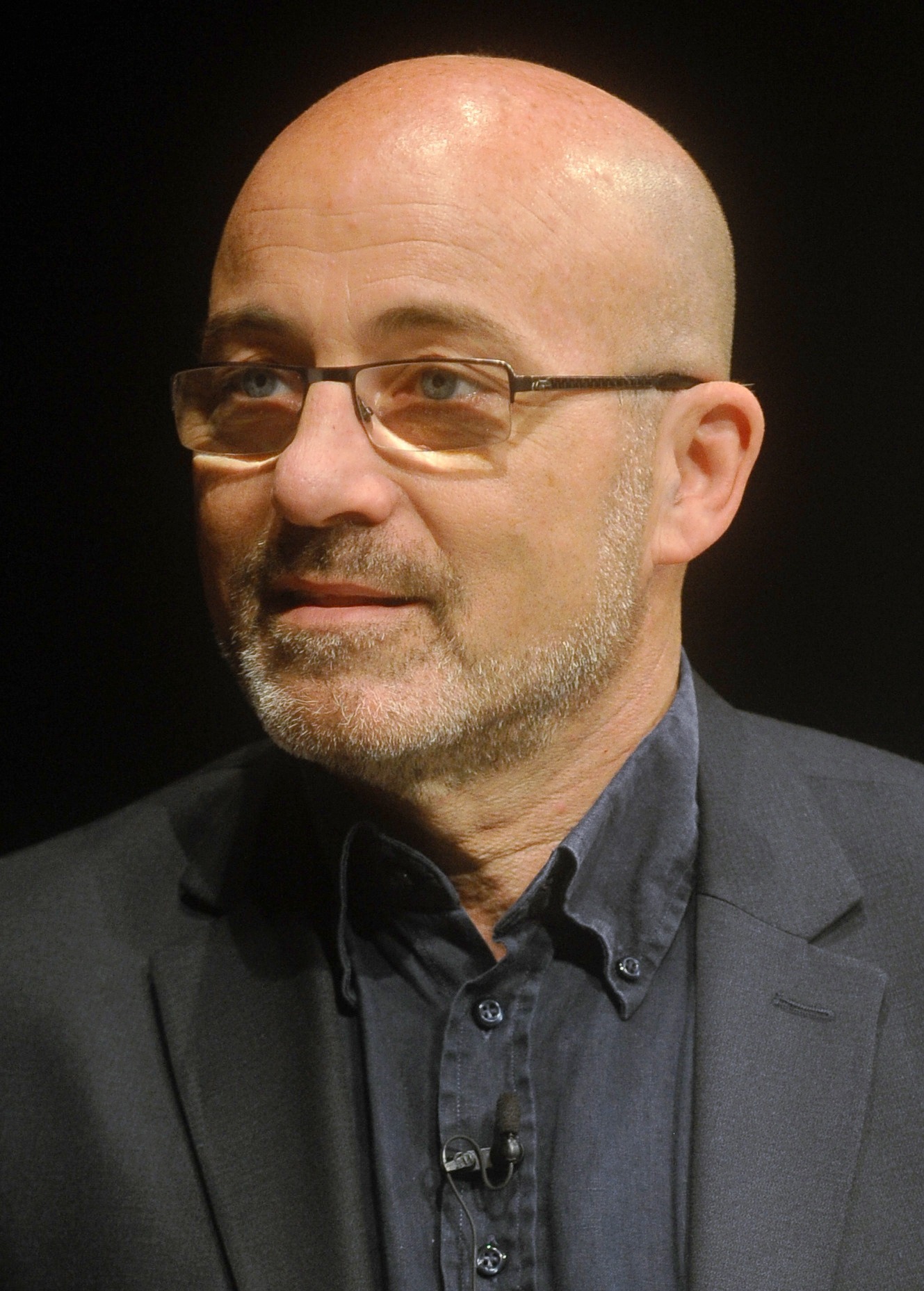
Roberto Cingolani, born on December 23, 1961, in Milan, Italy, is a prominent physicist, scientist, and one of Italy’s leading figures in technological innovation and environmental sustainability. His career spans several decades, marked by significant contributions to nanotechnology, robotics, and more recently, his role in Italy’s transition to ecological sustainability. Appointed as the Minister for Ecological Transition in 2021, Cingolani has become a key figure in shaping Italy’s environmental policies. This article provides an in-depth look into Roberto Cingolani’s life, exploring his academic background, professional achievements, and his pivotal role in Italy’s efforts towards a greener future.
Early Life and Educational Background
Roberto Cingolani was born into a family deeply rooted in the sciences. His father, Aldo, was a university professor of physics, and this scientific environment influenced Cingolani from a young age. Growing up in Bari, a city in southern Italy, Cingolani developed an early interest in the physical sciences. His siblings also pursued academic careers—his sister became a mathematics professor, and his brother is a biology professor at Jefferson University in Philadelphia.
Cingolani’s formal education began at the University of Bari, where he earned a degree in Physics in 1985. His academic prowess led him to pursue further studies at the prestigious Scuola Normale Superiore in Pisa, where he obtained a Ph.D. in Physics. His doctoral research laid the groundwork for a career that would blend scientific inquiry with practical applications in technology and industry.
Professional Journey and Academic Contributions
After completing his studies, Roberto Cingolani’s career took him across the globe. He began as a researcher in Germany and later served as a university professor in Tokyo, Japan. These international experiences not only broadened his scientific knowledge but also exposed him to diverse approaches to research and innovation.
In 1992, Cingolani returned to Italy, where he joined the University of Salento in Lecce as a full professor of Physics. There, he played a crucial role in establishing and leading the National Nanotechnology Laboratory (NNL), a cutting-edge research facility dedicated to exploring the frontiers of nanotechnology. Under his leadership, the NNL became a hub for innovative research, attracting collaborations from leading scientists and institutions worldwide.
Cingolani’s work in nanotechnology during this period was groundbreaking. He focused on developing new materials and technologies at the nanoscale, contributing to advancements in fields ranging from electronics to biomedicine. His ability to bridge the gap between fundamental science and practical applications earned him recognition as one of Italy’s foremost scientists.
Leadership at the Italian Institute of Technology (IIT)
In 2005, Roberto Cingolani took on the role of Scientific Director at the Italian Institute of Technology (IIT) in Genoa. The IIT was established with the goal of advancing Italy’s position in the global scientific community by promoting research and innovation across various fields. Under Cingolani’s direction, the institute grew rapidly, becoming a world-class research center known for its work in robotics, nanotechnology, and artificial intelligence.
During his tenure at the IIT, Cingolani oversaw numerous high-profile projects that pushed the boundaries of science and technology. One of the most notable areas of research was in robotics, where the IIT developed advanced humanoid robots capable of interacting with humans in complex environments. These innovations were not only technological marvels but also raised important questions about the future of human-robot interaction and the ethical implications of artificial intelligence.
Cingolani’s leadership at the IIT also involved fostering partnerships with industry, academia, and government agencies, both in Italy and internationally. His vision was to create an ecosystem where scientific research could translate into real-world innovations that drive economic growth and improve quality of life.
Transition to Industry: Chief Technology Officer at Leonardo S.p.A.
After nearly 15 years at the helm of the IIT, Roberto Cingolani transitioned to the private sector, taking on the role of Chief Technology Officer (CTO) at Leonardo S.p.A. (formerly Finmeccanica), one of Italy’s largest aerospace and defense companies. In this role, Cingolani was responsible for overseeing the company’s technological strategy, ensuring that Leonardo remained at the forefront of innovation in a highly competitive industry.
At Leonardo, Cingolani’s work involved leveraging cutting-edge technologies such as artificial intelligence, robotics, and advanced materials to develop new products and solutions for the aerospace and defense sectors. His deep understanding of both the scientific and industrial landscapes made him uniquely qualified to drive the company’s technological advancements.
Cingolani also served on the board of Illycaffè, where his expertise in technology and innovation contributed to the company’s efforts in sustainability and product development. His ability to navigate the complex intersections of science, technology, and business solidified his reputation as a leader capable of driving innovation across multiple domains.
Appointment as Minister for Ecological Transition
Roberto Cingolani’s career took a significant turn in February 2021, when he was appointed as Italy’s first Minister for Ecological Transition by Prime Minister Mario Draghi. This new ministry was created as part of Italy’s response to the global climate crisis and the European Union’s Green Deal, which aims to make Europe the first climate-neutral continent by 2050.
As Minister for Ecological Transition, Cingolani was tasked with leading Italy’s efforts to reduce carbon emissions, promote renewable energy, and transition to a more sustainable economy. His appointment reflected the government’s recognition of the need for a scientific approach to tackling the complex challenges of climate change and environmental degradation.
Cingolani’s work in this role has been critical in shaping Italy’s policies on energy, transportation, and environmental protection. His background in science and technology has allowed him to approach these issues with a focus on innovation, seeking solutions that not only address environmental concerns but also drive economic growth and job creation.
One of Cingolani’s key initiatives has been the development of a comprehensive plan for Italy’s energy transition, which includes increasing the use of renewable energy sources, improving energy efficiency, and phasing out coal by 2025. He has also been a vocal advocate for the adoption of electric vehicles and the expansion of green infrastructure, such as charging stations and renewable energy grids.
Publications and Thought Leadership
In addition to his roles in academia, industry, and government, Roberto Cingolani is also a prolific author and thought leader. He has published several books that explore the intersection of science, technology, and society, offering insights into how these fields can shape the future.
His books include:
- “Il mondo è piccolo come un’arancia” (2014): A discussion on nanotechnology, presented in a way that is accessible to the general public.
- “Umani e umanoidi: Vivere con i robot” (2015): Co-authored with Giorgio Metta, this book delves into the world of robotics and the future of human-robot interactions.
- “L’altra specie: Otto domande su noi e loro” (2019): A reflection on the relationship between humans and other species, and the ethical considerations of technological advancements.
Cingolani’s writings reflect his deep understanding of the scientific and technological landscapes, as well as his commitment to exploring the broader implications of these fields for society. His ability to communicate complex ideas in a clear and engaging manner has made him a respected voice in both the scientific community and the public sphere.
A Visionary for the Future
Roberto Cingolani’s career is a testament to his ability to bridge the worlds of science, technology, and policy. His work has consistently been driven by a vision of the future where innovation serves the greater good, addressing global challenges such as climate change, energy sustainability, and technological ethics.
As a scientist, Cingolani has pushed the boundaries of what is possible, contributing to advancements in fields as diverse as nanotechnology, robotics, and materials science. As a leader, he has demonstrated the ability to translate these advancements into practical solutions that benefit society, whether through his work at the IIT, in the private sector, or in government.
Cingolani’s role as Italy’s Minister for Ecological Transition represents the culmination of his career, bringing together his expertise in science, technology, and leadership to address one of the most pressing issues of our time: the need to transition to a sustainable and resilient economy. His work in this role will likely have a lasting impact, not only on Italy but also on the global effort to combat climate change.
Conclusion
Roberto Cingolani is a visionary leader whose work has spanned multiple fields and has had a profound impact on science, technology, and society. From his early days as a physicist and researcher to his current role as Italy’s Minister for Ecological Transition, Cingolani has consistently demonstrated a commitment to innovation and a deep understanding of the challenges and opportunities that lie ahead.
His ability to navigate complex issues, communicate effectively, and inspire others makes him a key figure in the ongoing efforts to create a more sustainable future. As the world continues to grapple with the effects of climate change and the need for technological innovation, leaders like Roberto Cingolani will play a crucial role in shaping the path forward.


