
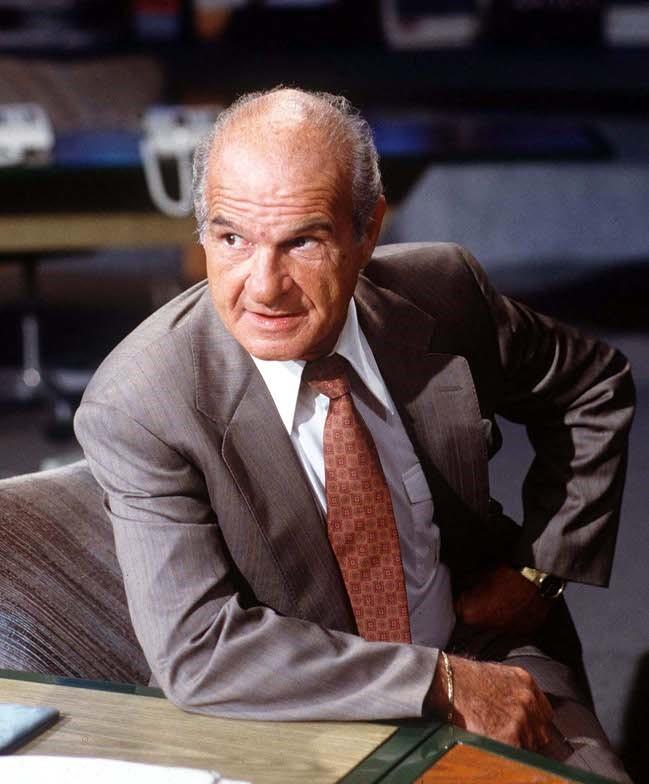
Sandro Ciotti, a name synonymous with the golden age of Italian sports journalism, remains a legendary figure whose distinct voice and unparalleled career have left an indelible mark on the world of broadcasting. Known for his unique voice and insightful commentary, Ciotti’s life and career span over several decades, during which he became an iconic presence in Italian media. This article delves into the life of Sandro Ciotti, tracing his early years, rise to fame, and the key highlights that have made him a beloved figure in the history of sports journalism.
Early Life and Background
Sandro Ciotti, born Alessandro Ciotti on November 4, 1928, in Rome, Italy, was destined for a life in the limelight. From his very birth, Ciotti was surrounded by cultural and intellectual influences. His godfather was the renowned Roman dialect poet Trilussa, a close friend of Ciotti’s father, Gino Ciotti, who was also a journalist. Trilussa’s influence on young Sandro was profound, instilling in him a love for irony and wit that would later become trademarks of his broadcasting style.
Tragedy struck early in Ciotti’s life when his father passed away unexpectedly from septicemia, a result of an infection contracted while swimming in the Tiber River. Despite this early loss, Ciotti’s passion for both music and sports flourished. He attended the conservatory, where he studied violin, and also played soccer for several youth teams, including Lazio’s junior team.
The Beginnings of a Dual Passion: Music and Sports
Ciotti’s early career was marked by his dual passions for music and sports. While pursuing a degree in law, he began his professional journey as a journalist, writing for various newspapers and magazines. His first foray into journalism came in 1954 when he started contributing to publications such as La Repubblica, Il Giornale d’Italia, and Paese Sera. It was during this period that Ciotti established himself as a music critic, covering major events like the Sanremo Music Festival, where he developed friendships with famous Italian musicians such as Fred Buscaglione and Luigi Tenco.
Music, however, was not Ciotti’s only love. He had a deep-rooted passion for soccer, and this eventually led him to the world of sports journalism. Ciotti’s career in sports broadcasting began with his work at the Roman office of TV Sorrisi e Canzoni in the late 1950s, and by 1958, he had joined Rai, Italy’s national public broadcasting company, as a radio program author.
Rise to Fame: The Voice of Italian Sports
Sandro Ciotti’s rise to fame came in 1960, during the Rome Olympics, when he made his debut as a sports commentator. His first live radio commentary was for a soccer match between Denmark and Argentina, and it marked the beginning of a long and illustrious career. Over the next several decades, Ciotti would become the voice of Italian sports, covering numerous high-profile events, including the Tokyo Olympics in 1964.
One of the defining moments of Ciotti’s career occurred during the 1968 Mexico City Olympics. After spending 14 hours broadcasting in the pouring rain, Ciotti developed a vocal cord edema, which permanently altered his voice, making it even more distinctive. This rough, gravelly voice became his trademark, earning him the nickname “The Voice.” Rather than seeing this as a setback, Ciotti embraced his new voice, which would become one of the most recognizable in Italian broadcasting.
Career Highlights: A Storied Broadcasting Journey
Sandro Ciotti’s career is studded with numerous highlights that showcase his versatility and dedication to his craft. From the early 1970s, Ciotti began to expand his presence on television. In 1972, he hosted Telecanzoniere, a popular evening show on Rai Due that combined music with light-hearted commentary. The show featured performances from renowned Italian singers like Massimo Ranieri, Domenico Modugno, and the Ricchi e Poveri, further cementing Ciotti’s reputation as a versatile broadcaster.
Throughout his career, Ciotti continued to work as a radio correspondent for Tutto il calcio minuto per minuto, one of Italy’s most beloved sports radio programs. His insightful and often humorous commentary endeared him to millions of listeners, making him a household name across the country. Ciotti’s deep knowledge of sports, combined with his ability to inject humor and irony into his commentary, set him apart from his peers.
In 1976, Ciotti ventured into filmmaking, directing a documentary titled Il profeta del goal, centered on the legendary Dutch soccer player Johan Cruijff. The documentary received widespread acclaim and showcased Ciotti’s ability to translate his passion for sports into compelling visual storytelling.
From 1986 to 1991, Ciotti co-hosted La domenica sportiva, one of Italy’s longest-running sports programs, alongside Maria Teresa Ruta. His segment, “Il punto di Sandro Ciotti,” became a favorite among viewers, as Ciotti offered his unique take on the week’s sporting events. Even after stepping down from the main hosting role, Ciotti continued to contribute to the program, ensuring that his voice remained a fixture in Italian sports journalism.
The Later Years and Legacy
Sandro Ciotti’s retirement from live commentary came in 1996, during the final game of the Serie A season between Cagliari and Parma. In a fitting conclusion to his broadcasting career, Ciotti took a few moments at the end of the match to thank his listeners for their years of support, marking the end of an era in Italian sports journalism.
Despite retiring from live commentary, Ciotti remained active in the media. He appeared in films such as Piero Chiambretti’s Il laureato and Claudio Malaponti’s La grande prugna. In 1997, he published his autobiography, Quarant’anni di parole (Forty Years of Words), which offered a candid and insightful look at his life and career. The book was well-received and provided fans with a deeper understanding of the man behind the voice.
Sandro Ciotti passed away in Rome on July 18, 2003, at the age of 74. His death marked the end of an illustrious career that had spanned over four decades, during which he had covered 37 editions of the Sanremo Music Festival, 15 Giro d’Italia cycling races, nine Tour de France races, 14 Olympic Games, two World Ski Championships, and an astonishing 2,400 soccer matches.
Historical Context and Nuances
Sandro Ciotti’s career must be understood within the broader context of Italian media and sports culture during the mid-20th century. His rise coincided with the post-war economic boom in Italy, a period known as the “Italian Economic Miracle,” which saw rapid modernization and a burgeoning interest in mass media and entertainment.
During this time, radio and television became increasingly central to Italian life, and sports broadcasting, in particular, grew in popularity. Soccer, known as “calcio” in Italy, was not just a sport but a national obsession, and figures like Sandro Ciotti played a crucial role in bringing the excitement of the game to millions of Italians.
Ciotti’s unique voice and insightful commentary resonated with listeners who were looking for more than just play-by-play accounts; they wanted a narrator who could capture the drama, irony, and emotion of the sport. His ability to weave narratives around sporting events, coupled with his deep knowledge of music and culture, made him a beloved figure.
Furthermore, Ciotti’s career reflects the evolution of sports journalism in Italy. From the early days of radio to the advent of television and beyond, Ciotti adapted to the changing media landscape while staying true to his distinct style. His work not only entertained but also informed and educated his audience, contributing to the development of sports broadcasting as a serious journalistic endeavor.
Conclusion
Sandro Ciotti’s life and career are a testament to the power of voice and the impact of storytelling. From his early days as a music critic to his iconic status as the voice of Italian sports, Ciotti’s contributions to journalism and broadcasting are immeasurable. His unique voice, characterized by its gravelly texture and sharp wit, became a symbol of Italian sports culture, resonating with generations of fans.
Ciotti’s legacy extends beyond the world of sports. His work as a music critic, songwriter, and filmmaker showcases his versatility and his ability to bridge different cultural spheres. His influence on Italian media and his role in shaping the narrative of sports in Italy cannot be overstated.
As we reflect on Sandro Ciotti’s life, we are reminded of the importance of passion, dedication, and the ability to adapt to changing times. His story is one of resilience, creativity, and an unwavering commitment to his craft. Sandro Ciotti may have left us, but his voice—both literally and metaphorically—continues to echo in the annals of Italian media history.


