
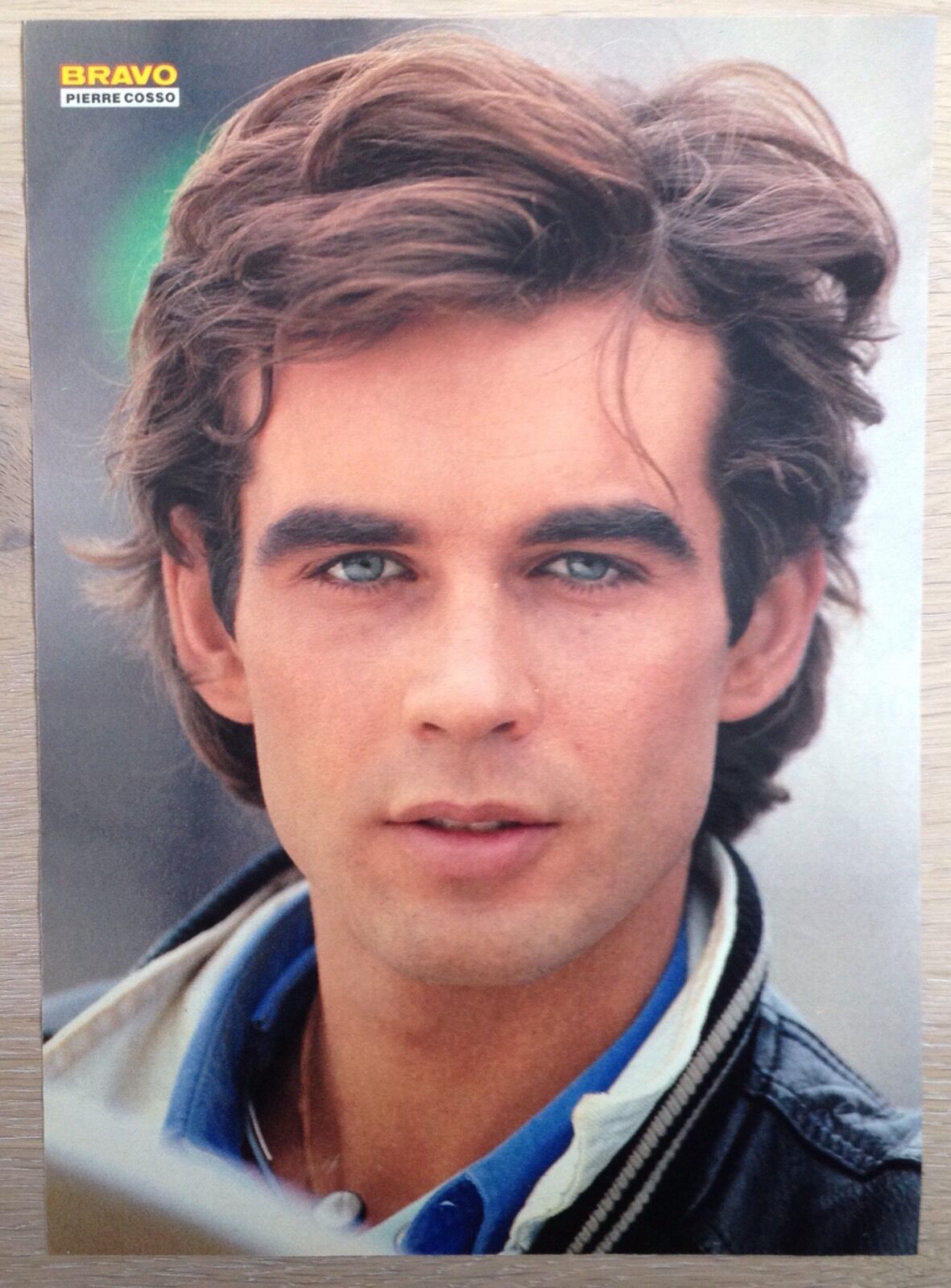
Pierre Cosso, born on September 24, 1961, in Algiers, Algeria, is a French actor and singer who gained widespread recognition during the 1980s for his roles in popular films and television shows. Over the decades, his career has spanned various genres, from romantic comedies to adventure films, and he has also ventured into music and theater. Cosso’s life and career reflect the multifaceted nature of the entertainment industry, showcasing his adaptability and talent.
Early Life and Career Beginnings
Pierre Cosso was born in the vibrant city of Algiers, a place that was once a hub of French colonialism. Growing up in an environment rich in cultural influences, Cosso developed an early interest in the arts. His family moved to France during his childhood, where he later pursued his passion for acting. Cosso made his film debut at the young age of 20, with a minor role in Bertrand Blier’s 1981 film Beau-père. Although this appearance did not bring him instant fame, it was a significant stepping stone in his career.
Breakthrough with “La Boum 2”
Pierre Cosso’s breakthrough came in 1982 when he starred in La Boum 2 (released in English as The Party 2), a French romantic comedy directed by Claude Pinoteau. In this sequel to the 1980 hit La Boum, Cosso played Philippe Berthier, the charming boyfriend of the lead character, Vic, portrayed by Sophie Marceau. The film was a massive success in France and other parts of Europe, catapulting both Marceau and Cosso to stardom.
La Boum 2 was particularly popular among teenage audiences, resonating with its themes of young love and coming-of-age experiences. The film’s success led to its wide recognition, making Pierre Cosso a household name. His on-screen chemistry with Sophie Marceau was widely praised, and the role of Philippe Berthier became one of his most iconic.
Expanding His Filmography
Following the success of La Boum 2, Pierre Cosso continued to work in the film industry, taking on a variety of roles that showcased his versatility as an actor. In 1984, he starred in Cinderella ’80, an Italian romantic comedy directed by Roberto Malenotti. The film, a modern retelling of the Cinderella story, further solidified Cosso’s status as a leading man in romantic films.
The same year, he appeared in Windsurf – Il vento nelle mani, an Italian adventure film directed by Claudio Risi. This film, centered around the world of competitive windsurfing, highlighted Cosso’s ability to take on physically demanding roles while still maintaining his charm and screen presence.
In 1986, Pierre Cosso returned to French cinema with the film Rosa la rose, fille publique by Paul Vecchiali, where he portrayed a more complex and nuanced character. This role allowed him to explore deeper emotional territory and demonstrated his range as an actor.
Transition to Television and International Fame
As his career progressed, Pierre Cosso began to expand his presence on television, a medium that offered new opportunities and a broader audience. In the late 1980s, he appeared in the miniseries Mino and Nul ne revient sur ses pas (released in Italy as Nessuno torna indietro), which were well-received by European audiences.
In 1987, Cosso starred in I miei primi quarant’anni (My First 40 Years), a film directed by Carlo Vanzina. He played the role of Massimiliano, the husband of a free-spirited and uninhibited character portrayed by the American supermodel Carol Alt. The film’s success further boosted Cosso’s popularity in Italy.
His television work continued with roles in Très belle et trop naive (known in Italy as La Romana), Quattro piccole donne (Four Little Women), and L’étalon noir (The Black Stallion). These roles helped him gain international recognition, particularly in Europe, where his talent and versatility were appreciated.
The 1990s: Diversifying His Roles
The 1990s marked a period of diversification in Pierre Cosso’s career as he took on more varied and challenging roles. In 1992, he appeared in the French film A la vitesse d’un cheval au galop directed by Fabien Onteniente, and on television in the drama series Les coeurs brulés.
Cosso also played the role of Abbé Pain in the television adaptation of Une année en Provence, based on the book by Peter Mayle. This series, which captured the idyllic and sometimes humorous life in the French countryside, was well-received and showcased Cosso’s ability to embody different characters.
He further expanded his television career with roles in Charlemagne, le prince à cheval and the popular French series Les yeux d’Hélène. These roles allowed Cosso to reach new audiences and demonstrated his continued relevance in the entertainment industry.
Hollywood and Later Career
Pierre Cosso’s career took an international turn in 1997 when he appeared in the Hollywood film An American Werewolf in Paris. This horror-comedy, a sequel to the 1981 classic An American Werewolf in London, gave Cosso exposure to American audiences. Although the film received mixed reviews, it was a significant step in his career, as it marked his entry into the American film industry.
In 1998, Cosso starred in a television adaptation of Tristan and Isolde directed by Fabrizio Costa. This romantic drama, based on the legendary tale of tragic love, allowed him to explore more dramatic and historical roles.
The early 2000s saw Pierre Cosso continue to work in both film and television. In 2000, he appeared in La Candide Madame Duff, directed by Jean-Pierre Mocky, and three years later, he starred in the Italian film Al cuore si comanda, directed by Giovanni Morricone. In this romantic comedy, Cosso played Giulio, a vain man who pursues a single woman in her thirties, portrayed by Claudia Gerini.
Theater and New Ventures
In addition to his work in film and television, Pierre Cosso has also made significant contributions to theater. In the early 2000s, he took to the stage with the play Ladies Night, a comedy inspired by the story of the film The Full Monty. The play was a critical and commercial success, earning the prestigious Molière Award, France’s highest theater honor. This venture into theater demonstrated Cosso’s versatility and commitment to his craft.
In 2003, Cosso made a significant life change by deciding to travel the world on his sailboat. This decision marked a new chapter in his life, as he balanced his love for adventure with his acting career. His travels took him to various parts of the world, and he often returned to acting for specific projects, such as the 2004 film Sin’s Kitchen, directed by Fabien Pruvot, and an appearance in the French television series Léa Parker in 2006.
Return to Italian Television
In 2008, Pierre Cosso made a notable return to Italian television with the Canale 5 series Anna e i cinque. In this popular show, he played the role of Ferdinando Ferrari, a widower with five children whose life is turned upside down by the arrival of a nanny, played by the renowned Italian actress Sabrina Ferilli. This role brought Cosso back into the spotlight in Italy, where he had always maintained a strong fan base.
Dancing with the Stars and Recent Years
In 2016, Pierre Cosso participated in the 11th season of the popular Italian dance show Ballando con le stelle (Dancing with the Stars), hosted by Milly Carlucci. Cosso was paired with Maria Ermachkova, a Russian dance champion, and together they competed against other celebrities such as Enrico Papi and Platinette. Although he did not win, his participation in the show endeared him to a new generation of fans and showcased his versatility as an entertainer.
Legacy and Influence
Pierre Cosso’s career, which spans over four decades, is a testament to his enduring appeal and versatility as an actor. From his early success in La Boum 2 to his ventures into theater, international films, and television, Cosso has demonstrated a remarkable ability to adapt to different roles and genres.
His work has not only entertained audiences across Europe and beyond but has also contributed to the cultural landscape of French and Italian cinema. Cosso’s performances in romantic comedies, adventure films, and dramatic roles have left a lasting impact on the industry, and his legacy as an actor continues to be appreciated by fans and critics alike.
Moreover, Cosso’s decision to explore the world on his sailboat reflects his adventurous spirit and desire to experience life beyond the confines of the entertainment industry. This aspect of his life adds a unique dimension to his public persona, making him not just an actor, but a figure of inspiration for those who seek to balance work with personal passions.
As Pierre Cosso continues to pursue new projects and adventures, his fans eagerly anticipate what he will do next. Whether on screen, stage, or in his personal life, Cosso remains a captivating and influential figure in the world of entertainment.


