
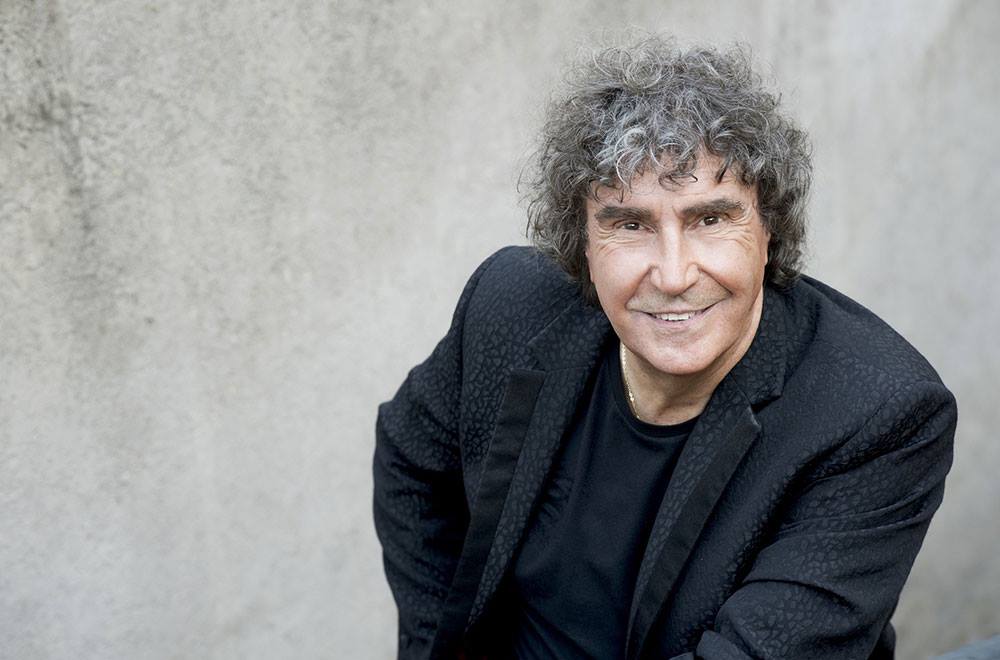
Stefano D’Orazio was a multifaceted Italian musician, lyricist, and manager, best known as the drummer of the iconic Italian band Pooh. Born on September 12, 1948, in Rome, Italy, D’Orazio’s life and career spanned several decades, leaving an indelible mark on the Italian music scene. His journey from a young drummer in local bands to a key figure in one of Italy’s most successful pop groups is a testament to his talent, dedication, and passion for music. This article delves into the life of Stefano D’Orazio, exploring his rise to fame, significant contributions to music, and the lasting legacy he left behind.
Early Life and Musical Beginnings
Stefano D’Orazio was born in the Monteverde neighborhood of Rome, a place that would play a crucial role in his early musical development. From a young age, D’Orazio showed a keen interest in music, particularly in percussion. He purchased his first drum kit second-hand, a significant step that marked the beginning of his lifelong passion for drumming.
D’Orazio’s first foray into the world of music was with a local band called The Kings, which later changed its name to The Sunshines. The band primarily played instrumental covers of The Shadows, a British rock group that was immensely popular during the 1960s. The choice to focus on instrumental music was driven by the band’s limited financial resources, which prevented them from purchasing a proper sound system for vocals. Despite these limitations, D’Orazio and his bandmates gained local recognition, performing in various venues around Rome.
In addition to his work with The Sunshines, D’Orazio also experimented with other musical genres and performances. He briefly participated in the underground percussion and vocal performance Osram, directed by renowned Italian avant-garde artist Carmelo Bene. This experience, though brief, broadened D’Orazio’s artistic horizons and introduced him to the more experimental side of the performing arts.
Before joining the Pooh, D’Orazio was involved with another group known as I Naufraghi. During this time, he also opened two “Cantine Club” venues in Rome, which became popular spots for English bands passing through the city. These clubs allowed D’Orazio to immerse himself further in the music scene and build connections that would later prove valuable in his career.
Joining Pooh: The Defining Moment
The turning point in Stefano D’Orazio’s career came on September 8, 1971, when he joined the legendary Italian band Pooh. The band’s previous drummer, Valerio Negrini, decided to step back from performing to focus on songwriting, leaving a crucial vacancy that D’Orazio was invited to fill. The transition was swift, and within days of joining the band, D’Orazio was performing live with Pooh during a series of concerts in Sardinia.
Pooh was already an established band by the time D’Orazio joined, known for their intricate harmonies and polished pop-rock sound. D’Orazio’s entry into the band marked the beginning of a new era. Not only did he take on the role of drummer, but he also became an essential contributor as a lyricist, vocalist, and eventually, the band’s manager.
One of the first songs D’Orazio performed as a lead vocalist was “Tutto alle tre,” a track he inherited from Negrini. Over the years, D’Orazio’s contributions to Pooh expanded, with his songwriting and vocal performances becoming integral to the band’s success. His drumming style, characterized by precision and creativity, complemented Pooh’s evolving sound, helping the band maintain its popularity through the changing musical landscapes of the 1970s, 1980s, and beyond.
A Legacy with Pooh: Major Milestones
Stefano D’Orazio’s tenure with Pooh was marked by numerous milestones, both in terms of the band’s success and his personal achievements as a musician. During his time with the band, Pooh released a string of hit albums and singles, many of which became classics in Italian pop music.
One of the highlights of D’Orazio’s career with Pooh was the release of the album Amici per sempre in 1996, which celebrated the band’s 30th anniversary. The album’s title track, “Amici per sempre,” became an anthem of friendship and loyalty, themes that resonated deeply with fans and reflected the close bond between the band members.
Throughout the years, D’Orazio’s contributions to Pooh were not limited to music. He played a significant role in the band’s management, overseeing various aspects of their career, including tour planning and album production. His ability to balance his creative duties with managerial responsibilities was a testament to his versatility and dedication.
In 2009, after nearly four decades with Pooh, D’Orazio made the difficult decision to leave the band. His departure was amicable, and he remained close friends with his bandmates. However, his connection to Pooh was far from over. In 2015, D’Orazio rejoined the band for their 50th-anniversary reunion, which also saw the return of former member Riccardo Fogli. The reunion tour and album were hugely successful, reaffirming Pooh’s status as one of Italy’s most beloved musical acts.
Solo Projects and Writing Ventures
After leaving Pooh, Stefano D’Orazio embarked on a new chapter in his career, focusing on solo projects and writing. In 1975, D’Orazio had already showcased his songwriting talents by penning all 11 tracks for Alice’s debut album La mia poca grande età, produced by Giancarlo Lucariello. This project marked the beginning of D’Orazio’s foray into songwriting for other artists, a skill he would continue to develop in the years to come.
In the years following his departure from Pooh, D’Orazio dedicated himself to writing and producing musical theater. He collaborated on several successful musicals, including Aladin, Pinocchio, and Cercasi Cenerentola. These projects allowed D’Orazio to explore new creative avenues and connect with audiences in a different format, showcasing his versatility as an artist.
In 2012, D’Orazio published his autobiography, Confesso che ho stonato – Una vita da Pooh. The book provided fans with an intimate look at his life, career, and experiences as a member of one of Italy’s most iconic bands. The autobiography was well-received and offered a candid reflection on the highs and lows of his career, as well as his personal journey.
In 2018, D’Orazio published his second book, Non mi sposerò mai – Come organizzare il matrimonio perfetto senza avere alcuna voglia di sposarsi. The humorous and insightful book was inspired by his personal life and experiences, particularly his own wedding to Tiziana Giardoni in 2017, after a decade-long relationship. The book resonated with readers, further establishing D’Orazio as a talented writer with a unique voice.
Personal Life and Final Years
Stefano D’Orazio’s personal life was marked by deep connections and lasting relationships. He shared a long-term relationship with singer Lena Biolcati, with whom he co-founded a singing school in 2000. Although D’Orazio never had children of his own, he considered Biolcati’s daughter, Silvia Di Stefano, as his own.
In the 1990s, D’Orazio was also romantically linked with television presenter Emanuela Folliero, another high-profile relationship that garnered public attention.
In 2017, on his 69th birthday, D’Orazio married Tiziana Giardoni, his partner of ten years, in a civil ceremony. The couple’s relationship was characterized by love and mutual respect, and Giardoni was by D’Orazio’s side during his final years.
In 2019, D’Orazio was diagnosed with leukemia, a battle he fought bravely. However, in October 2020, he contracted COVID-19, which compounded his health issues. After a week of hospitalization at the Policlinico Agostino Gemelli in Rome, Stefano D’Orazio passed away on November 6, 2020, at the age of 72.
Posthumous Recognition and Legacy
Stefano D’Orazio’s death was a significant loss to the Italian music community. His contributions to Pooh and Italian pop music left a lasting legacy that continues to be celebrated by fans and fellow musicians alike.
In March 2020, during the early days of the COVID-19 pandemic, D’Orazio wrote the lyrics for the song “Rinascerò, rinascerai,” composed by his longtime friend and bandmate Roby Facchinetti. The song was a tribute to the city of Bergamo, one of the hardest-hit areas during the pandemic. The emotional impact of the song resonated deeply with listeners, serving as a symbol of hope and resilience during a time of crisis.
Following his death, D’Orazio’s wife, Tiziana Giardoni, honored his memory by publishing his first novel, Tsunami, posthumously. The novel was a testament to D’Orazio’s creative spirit and his ability to weave compelling narratives, even beyond his musical career.
Stefano D’Orazio’s legacy is one of artistic excellence, innovation, and a deep love for music. His work with Pooh, his solo projects, and his contributions to musical theater and literature have left an indelible mark on Italian culture. As fans continue to celebrate his life and work, D’Orazio’s influence on Italian music and his enduring spirit will be remembered for generations to come.


