
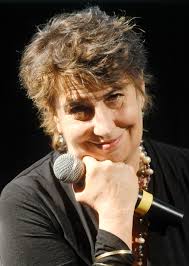
Serena Dandini, full name Serena Dandini de Sylva, was born on April 22, 1954, in Rome, Italy. She is a renowned Italian television host, writer, and producer, widely recognized for her pioneering contributions to Italian television, particularly in the realms of satire and comedy. With a career spanning several decades, Dandini has become a beloved and influential figure in Italian media. This article delves into her life, career, and the highlights that have made her a prominent name in the entertainment industry.
Early Life and Background
Born into a noble family, Serena Dandini grew up in an intellectually and culturally rich environment. Her family, the Dandini de Sylva, is well-known in Italian history, and her upbringing in Rome exposed her to the vibrant cultural scene of the capital. Dandini attended a classical high school and later enrolled at the University of Rome La Sapienza, where she pursued a degree in Anglo-American Literature. However, she left university just before completing her degree to embark on a career in media.
Early Career: Radio and Television Beginnings
Serena Dandini’s entry into the media world began in radio, where she initially worked with private stations before transitioning to RAI, Italy’s national public broadcasting company. Her early work at Radio Due (RAI’s second radio channel) saw her involved in creating various programs, including radio dramas and original screenplays. One of her notable early works was a radio drama on the life of Mae West, which showcased her ability to blend humor with insightful storytelling.
Dandini’s talent as both a creator and a presenter quickly became evident. She began hosting radio programs while also contributing as a writer, marking the beginning of her career as a multifaceted media personality. Her work in radio laid the foundation for her later success in television, where she would become known for her innovative approach to programming.
Breakthrough in Television: The Rise of Female Comedy
Serena Dandini’s breakthrough in television came in 1988 when she, along with Valentina Amurri and Linda Brunetta, created La TV delle Ragazze (“The Girls’ TV”) on RAI’s third channel, Rai Tre. This program was groundbreaking for its time, as it was one of the first Italian television shows to focus on female comedians. The show became a platform for a new generation of female talent, including Cinzia Leone, Francesca Reggiani, Sabina Guzzanti, Angela Finocchiaro, and Lella Costa, among others.
La TV delle Ragazze was more than just a comedy show; it was a cultural phenomenon that challenged traditional gender roles and brought women’s perspectives to the forefront of Italian television. The success of the show demonstrated Dandini’s ability to identify and nurture comedic talent, as well as her commitment to pushing the boundaries of what was considered acceptable in mainstream media.
Innovation in Satire: Avanzi and Beyond
Following the success of La TV delle Ragazze, Serena Dandini continued to innovate in the field of television satire. She created and hosted Avanzi (“Leftovers”), a show that aired from 1991 to 1993 and became one of the most influential satirical programs in Italian television history. Avanzi was known for its sharp political satire, often tackling controversial topics with humor and wit. The show featured a cast of talented comedians, including Sabina and Corrado Guzzanti, who became household names thanks to their work on the program.
Avanzi was a critical and commercial success, and it solidified Dandini’s reputation as a leading figure in Italian television. The show’s innovative format and fearless approach to satire set a new standard for comedy on Italian TV and paved the way for future programs that would continue in the same vein.
Continued Success and Expansion
Dandini’s success with Avanzi led to further opportunities in television. She continued her collaboration with Corrado Guzzanti on several other projects, including Maddecheao’ and Tunnel, both of which continued the tradition of blending comedy with sharp social and political commentary.
In 1995, Dandini co-hosted the Sanremo Music Festival’s Dopofestival segment alongside Pippo Baudo. Although she described the experience as “extreme,” it was another testament to her versatility as a television personality, capable of handling both comedic and more traditional formats with equal skill.
Dandini’s partnership with the Guzzanti siblings produced another hit in 1997 with Pippo Chennedy Show, which aired on Rai Due. This program further cemented her reputation for creating content that was both entertaining and intellectually engaging. The show combined surreal humor with biting satire, and it introduced new catchphrases and characters that became part of Italian pop culture.
Diversification: Cinema and Literature
In addition to her television work, Serena Dandini has also made significant contributions to cinema and literature. She has always had a passion for cinema, and she has produced and hosted various programs dedicated to film. Dandini served as a special correspondent on film sets for Andrea Barbato’s Sunday afternoon program and hosted Producer, a prime-time quiz show about the history of cinema. She also covered the Venice Film Festival for two consecutive years, co-hosting La Mostra della Laguna with film critic Paolo Mereghetti.
Dandini’s contributions to cinema are not limited to television. In 1999, she collaborated with Gino & Michele, well-known comedic writers, to create Comici for Italia1, a show that brought together various schools of Italian comedy. Dandini worked alongside major Italian comedians, including Paolo Hendel, Aldo Giovanni, and Giacomo, as well as Antonio Albanese and Anna Marchesini.
Her love for storytelling extends to literature as well. In 2011, Serena Dandini made her debut as an author with the book Dai diamanti non nasce niente – Storie di vita e giardini (“Nothing Grows from Diamonds – Stories of Life and Gardens”), where she explores the world of gardening interwoven with personal memories and reflections on life. The book was well-received, showcasing Dandini’s talent for narrative beyond the screen.
The Ambra Jovinelli Theater and Further Television Work
Serena Dandini’s influence extends beyond television and literature to the world of theater. Since 2001, she has served as the artistic director of the Ambra Jovinelli Theater in Rome. In this role, she has revitalized the historic theater, making it a hub for contemporary Italian comedy and satire. Her work at the theater has allowed her to explore the roots of Italian variety and vaudeville, which she later documented in the television program Vieni avanti cretino.
Dandini’s television career continued to flourish with the creation of Parla con me (“Talk to Me”) in 2004, a late-night talk show on Rai Tre. Co-created with journalist Andrea Salerno, the show combined interviews with cultural figures, comedy sketches, and musical performances. It featured regular appearances by comedian Dario Vergassola and the musical group Banda Osiris. The centerpiece of the show was Dandini’s famous red couch, where guests from various fields, including philosophy, cinema, music, literature, and current affairs, shared their insights.
In 2012, Serena Dandini made her return to television with The Show Must Go Off on La7, a program that continued her tradition of blending satire with insightful commentary. The show featured her long-time collaborators, including Dario Vergassola and the musical group Elio e le Storie Tese. This program once again demonstrated Dandini’s ability to adapt to new formats while maintaining her distinctive voice and approach to satire.
Legacy and Influence
Serena Dandini’s career has left an indelible mark on Italian television and culture. She is credited with bringing a fresh, innovative approach to television comedy and satire, particularly in her championing of female comedians and her fearless exploration of political and social issues. Dandini’s work has consistently pushed the boundaries of what is possible in television, earning her a place as one of Italy’s most influential media personalities.
Her legacy is also reflected in the many comedians and writers she has mentored and collaborated with over the years. Through her programs, Dandini has launched the careers of numerous Italian comedians who have gone on to become stars in their own right. Her influence extends beyond the screen, as she has also contributed to the revival of Italian theater and made significant contributions to literature and cinema.
Conclusion
Serena Dandini is a trailblazer in Italian media, whose work spans television, theater, cinema, and literature. Her innovative approach to comedy and satire has reshaped Italian television, and her contributions continue to resonate with audiences. Whether through her groundbreaking television programs, her work in the theater, or her literary endeavors, Dandini has consistently demonstrated a commitment to pushing boundaries and challenging conventions.
As a cultural icon, Serena Dandini’s influence on Italian media is undeniable. Her ability to blend humor with sharp social and political commentary has made her a beloved figure in Italy, and her work continues to inspire new generations of comedians, writers, and producers. Dandini’s career is a testament to her creativity, intelligence, and dedication to her craft, and her impact on Italian culture will be felt for many years to come.


