
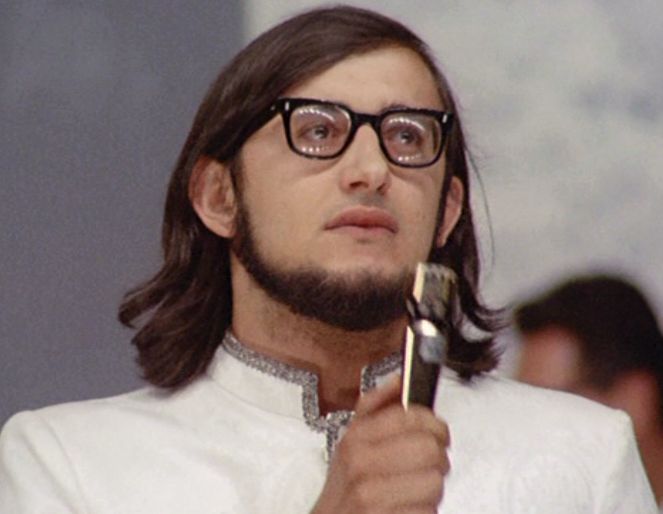
Augusto Daolio, born on February 18, 1947, in Novellara, Reggio Emilia, Italy, was a singer, songwriter, and artist best known as the lead vocalist of the legendary Italian band, Nomadi. His life and career left an indelible mark on the Italian music scene, and even after his untimely death, his influence continues to resonate. This article explores the life, fame, and significant highlights of Augusto Daolio, examining his contributions to music, his artistic endeavors, and the legacy he left behind.
Early Life and Formation of Nomadi
Augusto Daolio was born into a modest family in the small town of Novellara. From a young age, Daolio exhibited a deep love for music, which would later define his career. Growing up in post-war Italy, he was influenced by the cultural and social changes sweeping across the country. These influences shaped his artistic vision and his desire to express himself through music.
In his teenage years, Daolio began his journey into the world of music by forming a band with friends. This group would eventually evolve into Nomadi, one of the most iconic bands in Italian music history. The band was officially formed in 1963, and Daolio quickly became its frontman, known for his distinctive voice and charismatic stage presence. Nomadi’s music was characterized by its direct, heartfelt lyrics and a style that blended rock, folk, and Italian pop music.
The Rise to Fame: A Voice for a Generation
As the lead singer of Nomadi, Augusto Daolio played a crucial role in shaping the band’s sound and message. His voice, slightly nasal yet incredibly expressive, became the hallmark of Nomadi’s music. The band’s songs often dealt with themes of love, social justice, and the struggles of ordinary people, resonating deeply with the youth of the 1960s and 1970s.
Nomadi quickly gained popularity in Italy, with Daolio’s voice leading the charge. The band’s music was seen as a voice for a generation, capturing the hopes, dreams, and frustrations of young Italians during a time of significant social and political change. Daolio’s lyrics, often poetic and reflective, struck a chord with listeners, making him not just a singer but a symbol of the era.
One of the key factors in Nomadi’s success was their ability to connect with their audience. Daolio, in particular, had a unique rapport with fans. He was known for his humility and approachability, often mingling with fans and treating them as friends rather than mere admirers. This connection between Daolio and the audience was a significant part of the band’s enduring popularity.
Artistic Versatility: Beyond Music
While Augusto Daolio is best remembered for his contributions to music, his artistic talents extended beyond singing and songwriting. He was also an accomplished painter and sculptor, with a creative drive that found expression in various forms of art. His works in painting and sculpture were characterized by a whimsical and magical style, reflecting his vivid imagination and deep love for life.
Daolio’s artistic endeavors were not just a side project but an integral part of his identity. He used his art to explore themes of nature, humanity, and the mystical connections between them. His paintings and sculptures were well-received and showcased in several exhibitions, earning him recognition in the art world.
Daolio’s artistic output was a testament to his boundless creativity and his desire to explore different mediums. Whether through music or visual art, he sought to express the emotions and experiences that shaped his life and the world around him. His art remains a vital part of his legacy, offering a glimpse into the mind of a man who was as passionate about his visual creations as he was about his music.
The Tragic Loss: Death and Legacy
The music world was struck by tragedy when Augusto Daolio passed away on October 7, 1992, at the age of 45. He succumbed to an aggressive form of stomach cancer, a diagnosis that shocked his fans and the Italian music community. Daolio’s death left a void in the hearts of many, as he had been more than just a musician; he was a symbol of hope, resilience, and authenticity.
Despite his illness, Daolio remained active in his final days, continuing to connect with his fans and maintain his characteristic optimism and determination. His strength in the face of adversity only deepened the admiration and love that his fans had for him. His passing was a significant loss, not just for Nomadi, but for Italian music as a whole.
Following Daolio’s death, many wondered whether Nomadi would continue without its iconic frontman. However, the band chose to honor Daolio’s memory by continuing to perform and create music. In March 1993, the band resumed its activities, with new members Danilo Sacco (vocals and guitar) and Francesco Gualerzi (vocals and various instruments) stepping in to carry the torch.
Continuation of Nomadi: Keeping the Flame Alive
The decision to continue Nomadi after Augusto Daolio’s death was not taken lightly. For the remaining members of the band, it was a way to keep Daolio’s spirit and message alive. His presence, though no longer physical, continued to be felt in the band’s music and performances.
Nomadi’s post-Daolio era has been marked by a dedication to preserving the band’s original ethos while also evolving with the times. The band’s new members brought their own talents and perspectives, ensuring that Nomadi’s music remained relevant to new generations of listeners. However, Daolio’s influence has always been a guiding force, with the band frequently paying tribute to him in their concerts and recordings.
In 1993, shortly after Daolio’s passing, his partner Rosanna Fantuzzi founded the “Augusto per la vita” (Augusto for Life) association. This organization was established to continue Daolio’s work and values, particularly his commitment to social causes and the arts. The association has been involved in various charitable activities and initiatives, keeping Daolio’s legacy alive in the broader community.
The Enduring Impact: A Cultural Icon
Augusto Daolio’s impact on Italian culture extends far beyond his contributions to music. He remains a cultural icon, remembered not just for his talent but for the values he embodied. His music continues to be celebrated, with many of Nomadi’s songs still resonating with audiences today.
Daolio’s approach to life, marked by simplicity, humility, and a deep connection to his roots, has inspired countless people. He was a man who never saw himself as a “divo” or celebrity, preferring instead to be seen as a friend to those who listened to his music. This approachability and genuineness were key to his appeal and are why he is still fondly remembered today.
Daolio’s influence can also be seen in the way Nomadi’s music has been passed down through generations. Songs like Io Vagabondo and Dio è morto have become anthems, not just for those who grew up during the band’s heyday, but for younger audiences who have discovered Nomadi’s music in more recent years. Daolio’s voice and lyrics continue to inspire, offering messages of hope, love, and social consciousness.
Conclusion: A Legacy of Music and Art
Augusto Daolio’s life was a testament to the power of music and art to connect people, express deep emotions, and inspire change. As the frontman of Nomadi, he helped create some of the most enduring songs in Italian music history, songs that continue to be sung and cherished decades after they were first released.
But Daolio was more than just a musician. He was an artist in the truest sense of the word, using his talents in multiple mediums to explore the human experience. His paintings and sculptures are as much a part of his legacy as his music, reflecting the same passion, creativity, and love for life that defined his career.
In the years since his passing, Augusto Daolio’s legacy has only grown. His influence is evident in the continued success of Nomadi, the work of the “Augusto per la vita” association, and the ongoing appreciation for his art and music. For many, Daolio represents the best of what music and art can be—a source of comfort, inspiration, and a reminder of the beauty in the world.
As we remember Augusto Daolio, we celebrate not just the man, but the values he stood for: humility, creativity, and a deep commitment to connecting with others. His life may have been cut short, but his impact will be felt for generations to come.


