
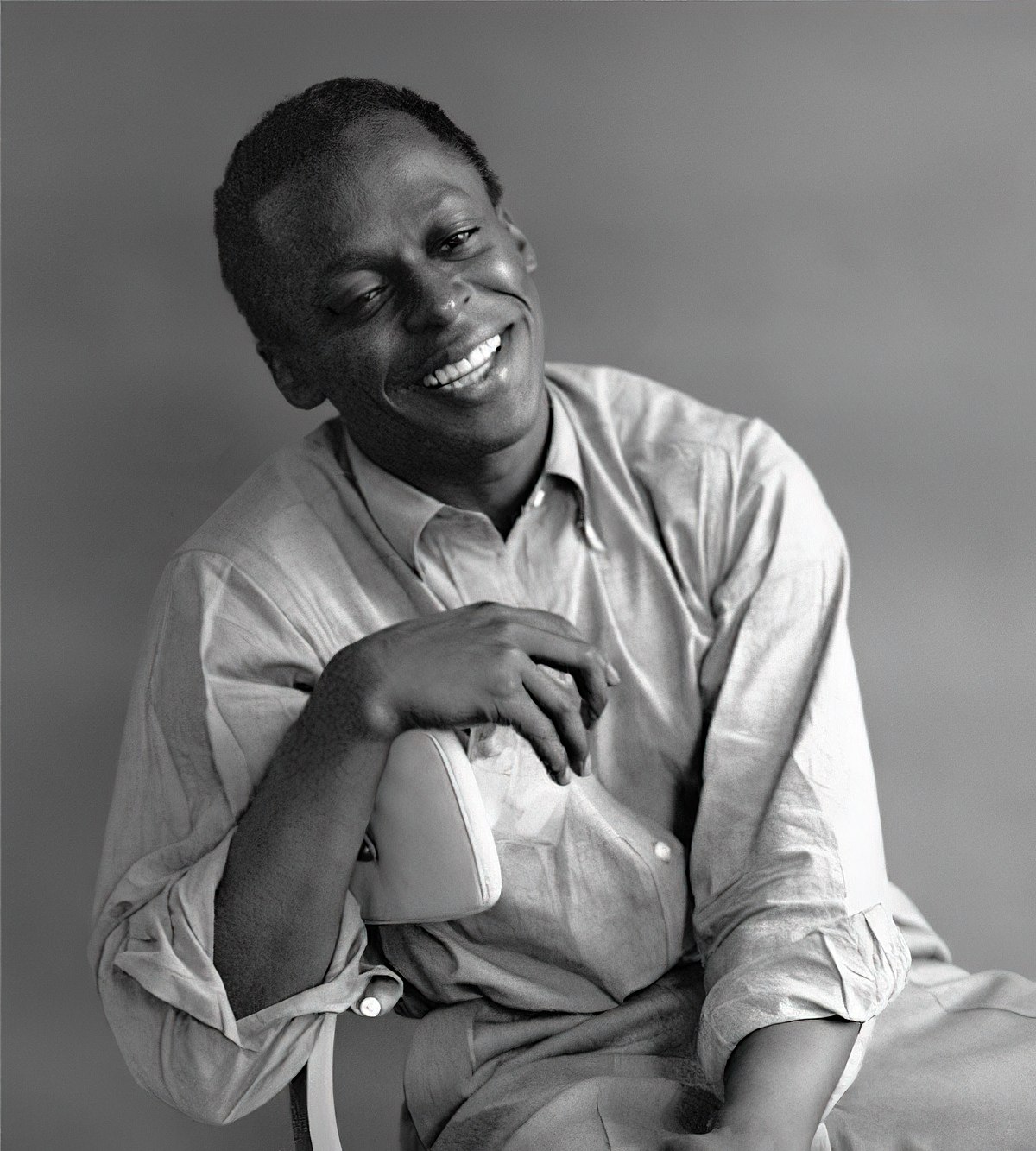
Introduction
Miles Davis, born Miles Dewey Davis III on May 26, 1926, in Alton, Illinois, is widely regarded as one of the most influential and innovative figures in the history of jazz music. His contributions to the genre over a career spanning five decades helped to shape and redefine jazz, making it one of the most dynamic and evolving forms of music in the 20th century. In this article, we will explore the life, fame, and significant milestones of Miles Davis, delving into his early years, his rise to prominence, his influence on jazz, and his lasting legacy in the world of music.
Early Life and Background
Miles Davis was born into a relatively affluent African-American family. His father, Miles Dewey Davis Jr., was a successful dentist, and his mother, Cleota Mae Davis, was a music teacher who initially hoped her son would take up the violin. However, young Miles was drawn to the trumpet, and by the age of 13, he was already playing with local bands in his hometown. His early exposure to music set the stage for what would become a remarkable career.
Davis’ talent was evident from an early age, and by the time he was 18, he had moved to New York City to attend the prestigious Juilliard School of Music. However, he quickly grew disillusioned with the classical music curriculum and found himself more interested in the vibrant jazz scene in Harlem. It was here that Davis began playing in jam sessions alongside jazz legends such as Charlie Parker and Dizzy Gillespie, two of the pioneers of bebop, a complex and fast-paced style of jazz that was emerging at the time.
The Birth of Cool Jazz
In the late 1940s, Miles Davis began to develop his unique sound and style, which would eventually lead to the creation of “cool jazz.” This subgenre of jazz was characterized by its relaxed tempos, lighter tones, and more lyrical melodies, a stark contrast to the frenetic energy of bebop. Davis’ landmark album, Birth of the Cool, recorded between 1949 and 1950 and released in 1954, is considered one of the defining works of cool jazz. The album featured innovative arrangements and compositions that would influence jazz musicians for decades to come.
Birth of the Cool marked the beginning of Davis’ ascent to fame. The album’s impact on the jazz scene was profound, and it established Davis as one of the leading voices in the genre. However, the early 1950s also marked a dark period in Davis’ life, as he struggled with heroin addiction, a common affliction among many jazz musicians of that era.
Overcoming Adversity and the Hard Bop Era
By 1954, Miles Davis had successfully overcome his heroin addiction and began assembling what would become one of the most legendary sextets in jazz history. This group included future jazz icons such as John Coltrane and Cannonball Adderley. The recordings made by this ensemble during the mid-1950s, including albums like Walkin’, Cookin’, Relaxin’, Workin’, and Steamin’, are now considered classics of the hard bop era, a style of jazz that incorporated elements of blues, gospel, and rhythm and blues.
During this period, Davis also began collaborating with arranger Gil Evans, resulting in a series of orchestral albums that further showcased Davis’ versatility and willingness to push the boundaries of jazz. Albums such as Miles Ahead (1957), Porgy and Bess (1958), and Sketches of Spain (1960) are celebrated for their innovative use of orchestration and their fusion of jazz with other musical forms.
The Pinnacle of Success: Kind of Blue
In 1959, Miles Davis released Kind of Blue, an album that is widely regarded as one of the greatest jazz records of all time and one of the most influential albums in the history of music. The album featured Davis’ sextet, including John Coltrane, Cannonball Adderley, Bill Evans, Paul Chambers, and Jimmy Cobb. What set Kind of Blue apart was its use of modal jazz, a style that relies on scales or “modes” rather than traditional chord progressions.
Kind of Blue was not only a commercial success but also a critical triumph. It sold millions of copies worldwide and continues to be a best-seller decades after its release. The album’s timeless appeal lies in its simplicity, elegance, and emotional depth. Tracks like “So What” and “All Blues” have become standards in the jazz repertoire and are still studied and performed by musicians around the world.
The 1960s: Innovation and Experimentation
The 1960s were a period of intense creativity and experimentation for Miles Davis. As the jazz world began to shift with the rise of free jazz and avant-garde movements, Davis responded by forming a new quintet, often referred to as his “second great quintet.” This group featured Herbie Hancock on piano, Ron Carter on bass, Tony Williams on drums, and Wayne Shorter on saxophone. Together, they pushed the boundaries of jazz, blending it with elements of rock, funk, and classical music.
One of the most notable albums from this period is Miles Smiles (1967), which exemplified Davis’ move towards a more abstract and complex style of jazz. The music was characterized by intricate rhythms, unconventional time signatures, and a more free-form approach to improvisation.
Davis’ interest in rock music also grew during the late 1960s, influenced by the psychedelic sounds of artists like Jimi Hendrix and the cultural revolution sweeping across America. This interest culminated in the release of In a Silent Way (1969) and Bitches Brew (1970), two groundbreaking albums that marked the birth of jazz fusion, a genre that combined jazz improvisation with rock rhythms and electric instruments. Bitches Brew, in particular, was a bold departure from traditional jazz and received both critical acclaim and commercial success, attracting a new audience to Davis’ music.
The 1970s: A Tumultuous Decade
The 1970s were a challenging period for Miles Davis, both personally and professionally. His increasing use of electric instruments and his embrace of rock and funk alienated some jazz purists, while his erratic behavior and worsening health led to a decline in his output. Davis struggled with a renewed addiction to drugs and alcohol, which, combined with a series of personal setbacks, led to his withdrawal from the music scene in 1975.
During this period, Davis was involved in a serious car accident that left him with multiple injuries, further exacerbating his health issues. He retreated into seclusion, battling depression and physical ailments. Many believed that his career was over, and his absence from the music world was deeply felt.
The 1980s: A Triumphant Comeback
Despite the challenges of the previous decade, Miles Davis made a remarkable comeback in the 1980s. After a six-year hiatus, he returned to the stage and studio with renewed energy and creativity. His music during this period was characterized by a fusion of jazz with contemporary genres such as funk, pop, and electronic music. Albums like The Man with the Horn (1981), Star People (1983), and Tutu (1986) showcased Davis’ ability to adapt to changing musical landscapes while maintaining his distinct voice.
Davis also found new inspiration in the music of artists like Prince and Michael Jackson, incorporating elements of their sound into his own work. His willingness to embrace new styles and collaborate with younger musicians helped to keep his music relevant to a new generation of listeners.
Throughout the 1980s, Davis remained a prolific performer, touring extensively and continuing to push the boundaries of jazz. His live performances were as electrifying as ever, and he maintained a demanding schedule of recording and touring until the end of the decade.
Legacy and Impact
Miles Davis passed away on September 28, 1991, in Santa Monica, California, at the age of 65. His death marked the end of an era, but his influence on music continues to be felt today. Davis was more than just a jazz musician; he was a cultural icon whose impact extended far beyond the world of jazz. His ability to continually reinvent himself and his music inspired countless artists across multiple genres.
Davis’ contributions to jazz are immeasurable. He was a pioneer of several important jazz movements, including bebop, cool jazz, hard bop, modal jazz, and jazz fusion. Each of these movements left a lasting mark on the music world, and Davis was at the forefront of them all.
Moreover, Davis’ impact on popular culture cannot be overstated. His distinctive style, both in his music and his persona, made him a symbol of coolness and innovation. He was known for his sharp fashion sense, his enigmatic stage presence, and his uncompromising approach to his art.
In addition to his musical achievements, Davis was also an accomplished painter, finding creative expression in visual art. His artwork, like his music, was bold, abstract, and full of emotion, further showcasing his multifaceted talent.
Conclusion
Miles Davis was a true visionary whose influence on music and culture continues to resonate more than three decades after his death. His willingness to push boundaries, take risks, and explore new musical territories made him one of the most innovative and influential musicians of the 20th century. From his early days as a bebop prodigy to his later years as a jazz-rock pioneer, Davis’ career was marked by a relentless pursuit of artistic excellence.
As we reflect on the life and legacy of Miles Davis, it is clear that his contributions to jazz and music as a whole are unparalleled. His music remains timeless, inspiring new generations of musicians and listeners alike. Miles Davis was not just a jazz musician; he was a trailblazer, a cultural icon, and a true artist whose impact will be felt for generations to come.


