
Introduction
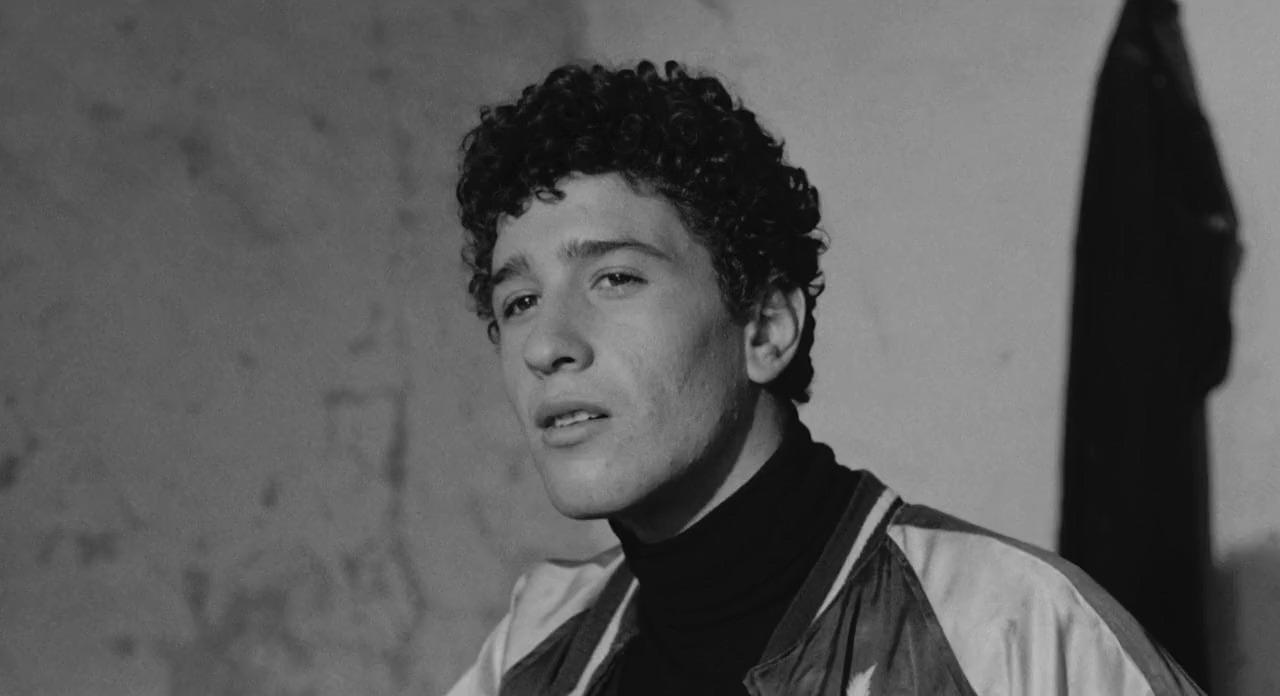
Ninetto Davoli, born Giovanni Davoli on October 11, 1948, in San Pietro a Maida, Catanzaro, Italy, is an iconic figure in Italian cinema, particularly known for his long-standing collaboration with the legendary filmmaker Pier Paolo Pasolini. Davoli’s journey from a young boy growing up in Rome to becoming one of the most recognizable faces in Italian cinema is a story of serendipity, talent, and enduring artistic partnerships. This article explores the life, career, and lasting impact of Ninetto Davoli, providing detailed insights into his rise to fame, his unique role in the world of Italian cinema, and the personal and professional milestones that have defined his life.
Early Life and Background
Ninetto Davoli’s early life was marked by his family’s move from San Pietro a Maida to Rome when he was just a child. Growing up in the working-class neighborhood of Borghetto Prenestino on the Via Prenestina, Davoli was far removed from the glamorous world of cinema. Yet, his vivacious personality, characterized by a perpetual smile and an unmistakable Roman accent, would soon catch the eye of one of Italy’s most significant cultural figures.
Discovery by Pier Paolo Pasolini
Ninetto Davoli’s life took a dramatic turn when he was discovered by Pier Paolo Pasolini, one of the most influential directors and intellectuals of the 20th century. Pasolini, known for his provocative and often controversial works, was captivated by Davoli’s natural charm and decided to cast him in a small role in his film Il Vangelo secondo Matteo (The Gospel According to St. Matthew) in 1964. This marked the beginning of a profound and fruitful collaboration that would last until Pasolini’s tragic death in 1975.
Davoli quickly became a fixture in Pasolini’s films, embodying a certain innocence and authenticity that resonated with the director’s vision. One of Davoli’s most notable early roles was in Uccellacci e uccellini (Hawks and Sparrows) in 1966, where he starred alongside the legendary comic actor Totò. This film was a significant success and showcased Davoli’s unique ability to blend humor with a deeper, often surreal, exploration of social and philosophical themes.
The Pasolini-Davoli Collaboration
The collaboration between Pasolini and Davoli was more than just a director-actor relationship; it was a creative partnership that saw Davoli become a muse of sorts for the director. Pasolini cast Davoli in a variety of roles that showcased his versatility as an actor, from comedic parts to more introspective, dramatic performances. Over the course of their collaboration, Davoli appeared in nine of Pasolini’s films, including Le Streghe (The Witches, 1967) and Capriccio all’Italiana (Caprice Italian Style, 1968).
Pasolini’s films were often politically charged and challenged the status quo, and Davoli’s performances were integral to the success of these works. His roles often reflected the social realities of Italy during the 1960s and 70s, and his ability to convey both the humor and the pathos of everyday life made him a beloved figure among Italian audiences.
Tragic End of the Partnership
The partnership between Davoli and Pasolini came to a tragic end with the murder of Pasolini on November 2, 1975. Pasolini’s death was a significant blow to the Italian cultural scene and marked the end of an era in Italian cinema. Davoli, who had been profoundly influenced by Pasolini both professionally and personally, was the one who identified Pasolini’s body after the murder. This event had a lasting impact on Davoli and marked a turning point in his life and career.
Post-Pasolini Career
Following Pasolini’s death, Ninetto Davoli’s career experienced a period of uncertainty. The loss of his mentor and friend left a void in his professional life, and for a time, it seemed that his career might fade. However, Davoli’s resilience and innate talent allowed him to rebuild his career, albeit in a different direction.
Davoli found a new collaborator in director Sergio Citti, another significant figure in Italian cinema. Citti, who had also been a close collaborator with Pasolini, cast Davoli in several of his films, including Ostia (1970), Casotto (1977), and Il minestrone (1981). These films allowed Davoli to explore more dramatic roles, showcasing his depth as an actor and earning him critical acclaim.
In the 2000s, Davoli continued to work steadily in both film and television. He won the “Premio Lara” at the first edition of the Rome Film Festival in 2006 for his performance in Uno di Due, directed by Eugenio Cappuccio. This period also saw him take on roles in more contemporary films, such as Cemento Armato (2007), directed by Marco Martani, which was a noir film that further demonstrated his versatility.
Television Career
In addition to his work in film, Ninetto Davoli has had a notable career on television. In 1975, he starred as Calandrino in the TV series Le Avventure di Calandrino e Buffalmacco. This role, based on characters from Giovanni Boccaccio’s Decameron, highlighted Davoli’s comedic talents and his ability to bring historical and literary figures to life with humor and charm.
Another significant television role was in the 1979 musical comedy Addavenì quel giorno e quella sera, where Davoli performed songs in the Roman dialect alongside Adriana Asti. His ability to connect with the television audience, particularly through his use of dialect and his natural comedic timing, made him a favorite among Italian viewers.
One of Davoli’s most famous television characters is “Gigetto,” a role he played in the popular Carosello series during the 1970s. In Le Canzoni alla Gigetto, Davoli portrayed a baker’s assistant who traveled around Rome on a bicycle, singing popular songs of the era. This character became an iconic figure in Italian television and further cemented Davoli’s place in the hearts of the Italian public.
Personal Life and Interests
Outside of his professional career, Ninetto Davoli leads a relatively private life. He is married to Patrizia Carlomosti, with whom he has two sons, Pier Paolo and Guido. The couple lives in the Cinecittà neighborhood of Rome, a fitting residence for someone so closely associated with Italian cinema.
Davoli is also an avid supporter of the A.S. Roma football club and has been involved in various charity football matches as a member of the national football team composed of actors and singers. His love for football is well-known, and he has participated in several tournaments to raise funds for charitable causes.
In 2015, Davoli was awarded the Nastro d’Argento (Silver Ribbon) for Lifetime Achievement, celebrating his 50 years in the film industry. This prestigious award recognized his enduring contributions to Italian cinema and his status as a beloved figure in the industry.
Recent Work and Legacy
In recent years, Ninetto Davoli has returned to his roots in auteur cinema, appearing in films such as Pasolini (2014) directed by Abel Ferrara and Senza Pietà (2014) directed by Michele Alhaique. These roles have allowed him to reconnect with the artistic spirit of his early career and to continue working in the type of challenging, thought-provoking cinema that characterized his collaborations with Pasolini.
In 2020, Davoli also took on a new challenge by participating as a contestant on the popular Italian dance competition show Ballando con le Stelle (Dancing with the Stars). Paired with professional dancer Ornella Boccafoschi, Davoli demonstrated his willingness to step out of his comfort zone and engage with new forms of performance, much to the delight of his fans.
Historical Context and Influence
Ninetto Davoli’s career is deeply intertwined with the history of Italian cinema, particularly the era of post-war Italian neorealism and the subsequent evolution of Italian filmmaking in the 1960s and 70s. His collaborations with Pasolini are especially significant, as they represent a key period in the history of Italian cinema where filmmakers were grappling with issues of social justice, identity, and the role of art in society.
Davoli’s performances often reflected the struggles and aspirations of ordinary Italians, and his ability to portray both the joy and the hardship of everyday life made him a relatable and enduring figure. His work with Pasolini, in particular, has been studied for its contributions to the discourse on social and political issues in Italy, as well as its influence on subsequent generations of filmmakers.
Conclusion
Ninetto Davoli’s life and career are a testament to the power of collaboration, resilience, and artistic integrity. From his humble beginnings in Rome to his discovery by Pier Paolo Pasolini and his subsequent rise to fame, Davoli has remained a beloved figure in Italian cinema for over five decades. His work has left an indelible mark on the film industry, and his performances continue to resonate with audiences both in Italy and around the world.
As we reflect on the life and legacy of Ninetto Davoli, it is clear that he is not just an actor but a cultural icon whose contributions to cinema have helped shape the narrative of Italian film. His ability to navigate the complexities of fame, personal loss, and the ever-changing landscape of the entertainment industry speaks to his enduring talent and his unwavering commitment to his craft.


