
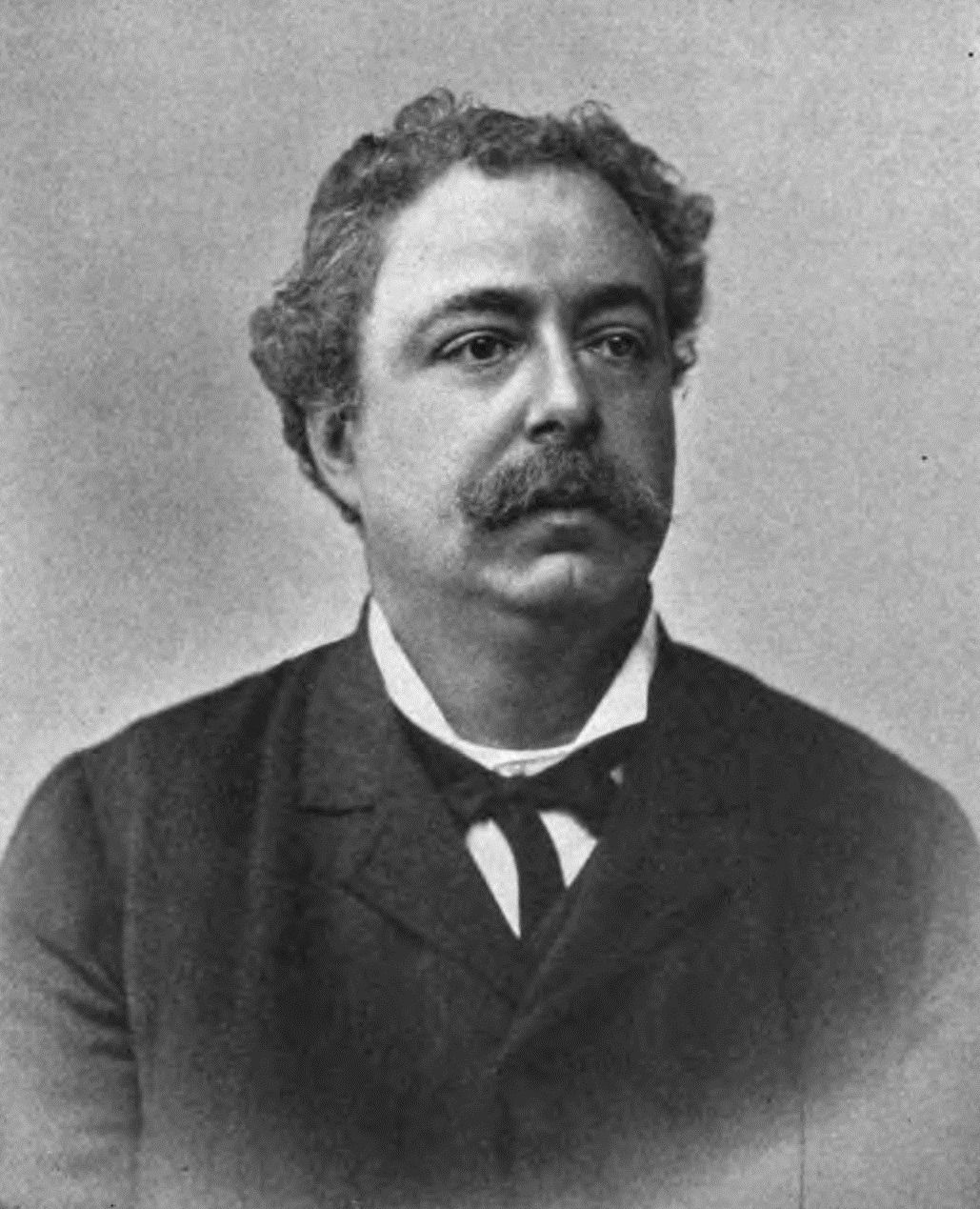
Edmondo De Amicis, born on October 21, 1846, in Oneglia (now part of Imperia), Italy, is a name that resonates deeply within the annals of Italian literature. Best known as the author of the beloved novel Cuore (Heart), De Amicis is a figure whose work has shaped Italian culture and education. His life and legacy extend far beyond his most famous work, offering insights into the literary, social, and political fabric of 19th-century Italy. This article delves into the life of Edmondo De Amicis, exploring his journey from a military officer to one of Italy’s most celebrated authors.
Early Life and Military Beginnings
Edmondo De Amicis was born into a time of great political and social upheaval in Italy. The mid-19th century was a period marked by the struggle for Italian unification, known as the Risorgimento. Growing up in this environment, De Amicis was deeply influenced by the patriotic fervor that swept across the nation. His early education took place in Cuneo and later in Turin, where he absorbed the ideals of unity and nationhood that would later permeate his writings.
At the age of 18, De Amicis enrolled in the Military Academy of Modena, where he pursued a career as an officer. Graduating in 1865, he quickly found himself on the front lines during the Third Italian War of Independence, fighting at the Battle of Custoza in 1866. Despite his commitment to the military, De Amicis harbored a passion for writing, a passion that would soon take precedence over his military career.
Transition to Writing and Early Literary Success
De Amicis’s first foray into the world of literature came while he was still in the military. In 1868, he published La Vita Militare (Military Life), a collection of sketches and stories that depicted the experiences of soldiers. The book was a success, earning him recognition as a writer and leading to his decision to leave the military and pursue a full-time career in writing.
In 1870, De Amicis became a correspondent for the newspaper La Nazione, based in Florence. His role as a journalist allowed him to travel extensively, and these travels became the foundation for many of his later works. He reported on the capture of Rome, an event that marked the final act of Italian unification, where the Italian army breached the walls of Rome at Porta Pia. This experience, and others like it, provided De Amicis with a rich tapestry of material for his writings, combining his patriotic fervor with a keen eye for social observation.
Travel Writing and Social Commentary
The 1870s were a prolific period for De Amicis. He traveled extensively across Europe and beyond, producing a series of travelogues that were both vivid and insightful. His works from this period include Spagna (Spain, 1873), Olanda (Holland, 1874), Ricordi di Londra (Memories of London, 1874), Marocco (Morocco, 1876), and Costantinopoli (Constantinople, 1878). These books were more than mere travel diaries; they were profound social commentaries that explored the cultures, customs, and political landscapes of the places he visited.
De Amicis’s travel writing was characterized by a deep empathy for the people he encountered and a curiosity about the world beyond Italy’s borders. His observations were sharp, yet compassionate, reflecting a worldview shaped by his experiences as both a soldier and a writer. These works not only enriched Italian literature but also provided Italian readers with a broader perspective on the world at a time when international travel was a privilege enjoyed by few.
The Pedagogical Shift: Writing for Children and Educators
By the early 1880s, De Amicis had established himself as a prominent writer. However, it was his shift towards literature with a strong educational and moral purpose that would define his legacy. In 1886, De Amicis published Cuore (Heart), a novel that would become one of the most celebrated works in Italian literature.
Cuore is a book written in the form of a diary, kept by an Italian schoolboy named Enrico Bottini during the course of a school year. The novel is set in Turin and reflects the values of the newly unified Italy. Through the experiences of Enrico and his classmates, De Amicis explores themes of patriotism, duty, and moral integrity. The book was an instant success, captivating readers with its heartfelt stories and didactic messages.
What made Cuore particularly influential was its ability to resonate with both children and adults. For children, it provided lessons in kindness, respect, and love for one’s country. For adults, it offered a vision of an idealized Italy, united not just by borders but by shared values and a common purpose. Despite criticism from certain quarters, particularly the Catholic Church for its secular tone, Cuore became a cornerstone of Italian education and was translated into numerous languages.
Later Works and the Pursuit of Social Justice
Following the success of Cuore, De Amicis continued to write with a focus on social issues and education. His later works include Il romanzo d’un maestro (The Novel of a Schoolmaster, 1890), Fra scuola e casa (Between School and Home, 1892), and La maestrina degli operai (The Little Teacher of the Workers, 1895). These books further established him as a leading voice in the field of educational literature, addressing the challenges faced by teachers and students in a rapidly changing society.
In addition to his work in literature, De Amicis became increasingly involved in the socialist movement. He contributed to various socialist publications and used his writing to advocate for social justice, workers’ rights, and the improvement of public education. His commitment to these causes reflected his deep concern for the well-being of ordinary people and his belief in the power of education to transform society.
One of his notable works from this period is L’idioma gentile (The Gentle Language, 1905), a book that emphasized the importance of the Italian language as a unifying force for the nation. De Amicis believed that a common language was essential for fostering a sense of national identity and cohesion, particularly in a country as diverse as Italy.
Personal Struggles and Tragedies
Despite his professional success, De Amicis’s personal life was marked by tragedy and hardship. The death of his mother, the failure of his marriage to Teresa Boassi, and the suicide of his son Furio cast long shadows over his later years. These events had a profound impact on De Amicis, contributing to a sense of melancholy that is evident in some of his later works.
The turmoil in his personal life did not diminish his literary output, but it did add a layer of poignancy to his writing. De Amicis continued to explore themes of loss, redemption, and the search for meaning in a world that often seemed cruel and unjust. His ability to convey the emotional depth of these experiences resonated with readers, further cementing his reputation as a writer who understood the human condition.
Legacy and Impact on Italian Literature and Culture
Edmondo De Amicis passed away on March 11, 1908, in Bordighera, Italy, at the age of 62. His death marked the end of an era, but his legacy continues to live on through his works. Cuore remains a beloved classic, still read by generations of Italian schoolchildren, and his other writings continue to be studied for their insights into the social and political issues of his time.
De Amicis’s influence extends beyond the literary world. His commitment to education and social justice has left a lasting impact on Italian society. He is remembered not only as a great writer but also as a moral guide and a champion of the common people. His works have been adapted into films, television series, and even comic books, ensuring that his stories and messages continue to reach new audiences.
In recent years, there has been a renewed interest in De Amicis’s work, with scholars and readers alike recognizing the enduring relevance of his ideas. His vision of a unified Italy, built on the values of education, empathy, and social justice, resonates in a world that is increasingly divided. As Italy, and indeed the world, continues to grapple with issues of identity, migration, and inequality, De Amicis’s work offers a powerful reminder of the importance of compassion, understanding, and the pursuit of a better future for all.
Conclusion
Edmondo De Amicis was more than just an author; he was a beacon of light in a time of great change and uncertainty. His works, from travelogues to educational literature, reflect a deep commitment to the betterment of society through the power of words. De Amicis’s legacy is one of love for country, empathy for fellow human beings, and a belief in the transformative power of education.
As we look back on the life and work of Edmondo De Amicis, we are reminded of the enduring power of literature to shape our world and our values. His writings continue to inspire, challenge, and educate, ensuring that his voice will be heard for generations to come.


