
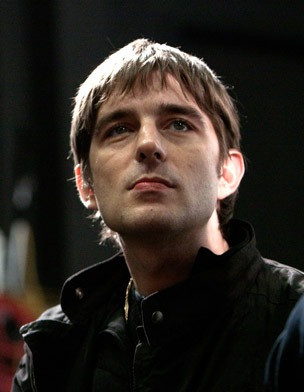
Libero De Rienzo, a name that resonates profoundly in the world of Italian cinema, was born on February 24, 1977, in Naples, Italy. He grew up in the historic Forcella district, a place steeped in culture and tradition, which likely played a significant role in shaping his artistic sensibilities. De Rienzo’s journey in the arts was deeply influenced by his father, who was a passionate cinema enthusiast and worked as an assistant director for Citto Masiello. This early exposure to the world of cinema sparked a passion in De Rienzo that would define his career and life.
Early Life and Career Beginnings
From a young age, Libero De Rienzo was immersed in the world of theater. His first significant experience came in 1996 when he joined the Catalan theater group “Fura dels Baus.” This troupe was known for its avant-garde performances, blending physical theater, acrobatics, and multimedia elements. Touring with this group, De Rienzo honed his craft and developed a unique approach to acting. Later, he collaborated with “Area Teatro” in Rome, a city that would become central to his career. It was in Rome that De Rienzo realized his true calling and decided to pursue acting full-time.
Breakthrough in Television and Film
Libero De Rienzo’s entry into the world of television came in 1999 with the Italian TV drama “Più leggero non basta.” This debut was quickly followed by a role in the film “La via degli angeli,” directed by the acclaimed Pupi Avati. His performance in these projects marked the beginning of a career that would see him working with some of the most renowned directors in Italian cinema.
In 2000, De Rienzo played a significant role in the film “A mia sorella!” directed by French filmmaker Catherine Breillat. This role further cemented his reputation as a versatile actor capable of delivering powerful performances. Over the next few years, De Rienzo continued to build his filmography, including a noteworthy performance in the 2004 film “A/R Andata + Ritorno” alongside Vanessa Incontrada.
Directorial Debut and Recognition
Not content with just acting, Libero De Rienzo ventured into directing in 2005. His directorial debut came with the film “Sangue – La morte non esiste,” in which he also starred alongside Elio Germano, one of Italy’s most beloved actors. This film showcased De Rienzo’s talents not just in front of the camera but also behind it, as he skillfully navigated the complexities of directing while delivering a compelling performance.
The 2000s were a period of significant growth and recognition for De Rienzo. In 2008, he starred in “Fortapasc,” directed by Marco Risi. This film, based on the true story of journalist Giancarlo Siani, who was murdered by the Camorra in 1985, was a critical success. De Rienzo’s portrayal of Siani earned him widespread acclaim and a nomination for Best Actor at the prestigious David di Donatello awards.
The 2010s: A Decade of Success
The 2010s were arguably the most successful period of Libero De Rienzo’s career. In 2011, he starred in “Santa Maradona,” a film directed by Marco Ponti that became a cultural phenomenon in Italy. In the film, De Rienzo played the character Bart, a down-on-his-luck young man trying to navigate the complexities of life. His performance was both humorous and poignant, earning him the David di Donatello award for Best Supporting Actor and a nomination for the Nastri d’Argento.
This decade also saw De Rienzo appearing in a series of critically acclaimed films. In 2013, he was cast in “Miele,” the directorial debut of actress Valeria Golino. The film was a commercial and critical success, and De Rienzo’s performance was lauded by critics. That same year, he appeared in “Smetto quando voglio,” a comedy directed by Sydney Sibilia. The film was a hit, and De Rienzo’s portrayal of a university professor turned criminal mastermind was a standout. His performance earned him another David di Donatello nomination in 2014 for Best Supporting Actor.
Throughout the 2010s, De Rienzo continued to take on diverse roles, showcasing his range as an actor. He appeared in films like “Ho ucciso Napoleone” (2015), “La macchinazione” (2016), and the sequels to “Smetto quando voglio” in 2017. Each of these films added to his growing legacy as one of Italy’s most talented and beloved actors.
A Legacy Cut Short
Tragically, Libero De Rienzo’s life and career were cut short when he passed away unexpectedly on July 15, 2021, at the age of 44 due to a sudden cardiac arrest in his home in Rome. His untimely death sent shockwaves through the Italian film industry and among his fans, who mourned the loss of a gifted actor and director whose potential was far from fully realized.
De Rienzo’s passing left a void in Italian cinema, but his legacy lives on through the films he made and the performances that touched so many. His ability to bring complex characters to life with authenticity and depth made him a standout talent, and his contributions to cinema will not be forgotten.
Personal Life and Legacy
Outside of his professional achievements, Libero De Rienzo was known for his modest and private nature. He was married to Marcella Mosca, a scenographer, and the couple had two young children together. De Rienzo’s love for his family was evident, and he often spoke about the importance of balancing his career with his responsibilities as a father.
De Rienzo’s influence on Italian cinema cannot be overstated. He was part of a generation of actors who brought a new energy and perspective to the screen, challenging traditional narratives and exploring complex themes with honesty and courage. His work as an actor and director has left a lasting impact, inspiring a new generation of filmmakers and actors to push the boundaries of what is possible in cinema.
Conclusion
Libero De Rienzo’s life and career were a testament to the power of passion and dedication. From his early days in the theater to his breakout roles in film and his ventures into directing, De Rienzo consistently pushed himself to explore new territories and challenge himself as an artist. His legacy is one of talent, creativity, and an unwavering commitment to his craft.
As we remember Libero De Rienzo, we celebrate a life that, though tragically short, was filled with accomplishments that will continue to resonate for years to come. His work remains a source of inspiration for those who seek to tell stories that matter and to bring characters to life in ways that are authentic, compelling, and deeply human.


