
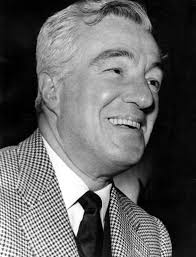
Vittorio De Sica stands as one of the most iconic and influential figures in the history of cinema. Born on July 7, 1901, in the region of Terra di Lavoro, near Frosinone, Italy, De Sica’s journey from humble beginnings to international acclaim is a story of talent, perseverance, and an unwavering dedication to his craft. A pivotal figure in the neorealist movement, De Sica’s work continues to resonate with audiences and filmmakers alike, influencing the trajectory of global cinema.
Early Life and Formative Years
Vittorio De Sica was born into a family of modest means. His father, Umberto De Sica, was a civil servant, and his mother, Teresa Manfredi, a homemaker. Despite the family’s financial struggles, De Sica’s early life was filled with a love for storytelling and the arts. He spent his childhood in Naples, a city that would later play a significant role in his cinematic work. At the age of 15, De Sica moved with his family to Rome, where he completed his studies and obtained a diploma in accounting.
However, De Sica’s passion for the arts, particularly theater and cinema, was undeniable. While still a student, he began frequenting theaters, immersing himself in the vibrant world of acting and performance. His striking looks and natural charisma soon caught the attention of directors, leading to his first roles in the burgeoning Italian film industry.
The Rise of a Cinematic Legend
De Sica made his film debut in the silent era, but it was during the 1930s that his career began to take shape. He quickly became known for his roles as a charming and gallant leading man in films like Gli uomini, che mascalzoni! (1932) and Grandi Magazzini (1939). His suave demeanor and sophisticated screen presence made him a favorite among Italian audiences.
Despite his success as an actor, De Sica was not content to remain in front of the camera. He had a deep desire to direct and tell stories that resonated with the social realities of the time. This ambition led to his transition into directing, a move that would forever change the landscape of Italian and international cinema.
The Birth of Neorealism
The 1940s were a period of profound change in De Sica’s career. As Italy grappled with the aftermath of World War II, De Sica, along with screenwriter Cesare Zavattini, became a leading figure in the neorealist movement. Neorealism sought to portray the everyday lives of ordinary people, often focusing on the struggles of the working class and the poor. This was a stark contrast to the escapist fare that dominated the film industry before the war.
De Sica’s neorealist films are marked by their use of non-professional actors, on-location shooting, and a focus on the harsh realities of life. His 1946 film Sciuscià (Shoeshine), which depicted the lives of street children in post-war Rome, was a landmark in the genre. The film’s raw, unflinching portrayal of poverty and its impact on young lives earned De Sica international recognition, including an honorary Academy Award, the first of several Oscars he would receive in his career.
Two years later, De Sica released Ladri di biciclette (Bicycle Thieves), widely regarded as one of the greatest films ever made. The film tells the story of a poor father in Rome who, after having his bicycle stolen, embarks on a desperate search with his young son to recover it. The bicycle is essential for his job, and its loss plunges the family into a deeper economic crisis. Bicycle Thieves is a masterclass in storytelling, blending personal tragedy with broader social commentary. The film’s profound impact on cinema is still felt today, influencing countless filmmakers and earning De Sica another Academy Award for Best Foreign Language Film.
Beyond Neorealism: A Versatile Talent
While De Sica is best known for his neorealist work, his career as a director was marked by remarkable versatility. In the 1950s and 60s, he began exploring different genres, showcasing his ability to blend sensitivity and sophistication across a variety of cinematic styles. One of his most acclaimed films from this period is Miracolo a Milano (Miracle in Milan) (1951), a whimsical fantasy that nevertheless retains the neorealist focus on the struggles of the poor. The film was praised for its innovative blend of fantasy and social commentary, demonstrating De Sica’s unique ability to transcend genre boundaries.
De Sica continued to explore the human condition in Umberto D. (1952), a poignant drama about an elderly man struggling to survive on his meager pension in post-war Rome. The film, written by Zavattini, is considered by many to be De Sica’s true masterpiece. Its unflinching portrayal of loneliness and despair, coupled with its compassionate depiction of the protagonist’s plight, makes Umberto D. a powerful commentary on the social issues of the time.
As his career progressed, De Sica began to move away from the strict confines of neorealism, directing films that, while still socially conscious, embraced a broader range of tones and themes. L’Oro di Napoli (The Gold of Naples) (1954) is a prime example of this shift. The film, a series of vignettes set in Naples, is a celebration of the city’s vibrant culture and its people’s resilience, blending humor, pathos, and social observation.
International Success and Continued Influence
De Sica’s reputation as one of cinema’s great auteurs was further cemented with La Ciociara (Two Women) (1960), a harrowing drama based on the novel by Alberto Moravia. The film starred Sophia Loren as a mother trying to protect her daughter during the chaos of World War II. Loren’s powerful performance won her the Academy Award for Best Actress, making her the first actor to win an Oscar for a foreign-language performance. Two Women also highlighted De Sica’s continued commitment to telling stories that explored the effects of war and hardship on individuals, particularly women.
Throughout the 1960s, De Sica continued to produce acclaimed films, including Ieri, Oggi, Domani (Yesterday, Today and Tomorrow) (1963), a comedy anthology film that also starred Loren alongside Marcello Mastroianni. The film was a box office success and won the Academy Award for Best Foreign Language Film. De Sica’s ability to craft both deeply moving dramas and light-hearted comedies showcased his versatility and enduring relevance in the film industry.
In 1971, De Sica directed Il giardino dei Finzi-Contini (The Garden of the Finzi-Continis), a poignant film that explores the impact of fascism on a wealthy Jewish family in Italy. The film was another critical success, earning De Sica his fourth Academy Award. This film, like many of his others, is characterized by its humanism, focusing on the personal stories behind historical events.
The Final Years and Legacy
Vittorio De Sica’s final film, Il Viaggio (The Voyage) (1974), marked the end of a prolific and illustrious career. Released shortly before his death, the film was a romantic drama that once again demonstrated De Sica’s mastery of storytelling and his deep understanding of the human condition.
De Sica passed away on November 13, 1974, in Paris at the age of 72. His death marked the end of an era in Italian cinema, but his influence on the medium has endured. Today, De Sica is remembered not only for his contributions to the neorealist movement but also for his ability to navigate a wide range of genres with equal skill and sensitivity. His films remain a testament to the power of cinema to reflect society’s realities, to tell compelling human stories, and to bridge cultural divides.
The Impact of De Sica’s Work on Cinema
Vittorio De Sica’s work has left an indelible mark on the history of cinema. His pioneering efforts in neorealism helped to reshape the landscape of film, moving it away from the polished, idealized portrayals of life that were common before World War II, towards a more honest and gritty depiction of reality. This movement inspired filmmakers around the world, from French New Wave directors like François Truffaut and Jean-Luc Godard to American directors such as Martin Scorsese and Spike Lee.
De Sica’s influence can be seen not just in the thematic content of his films, but also in his stylistic choices. His use of non-professional actors, natural lighting, and real locations became hallmarks of neorealism, setting a new standard for authenticity in cinema. These techniques have been adopted and adapted by countless directors in the decades since, ensuring that De Sica’s legacy continues to shape the art of filmmaking.
Conclusion: A Lasting Legacy
Vittorio De Sica was more than just a filmmaker; he was a visionary who used cinema to explore the complexities of the human experience. His films are timeless, not only because of their technical brilliance but because of their deep empathy and understanding of the human condition. Whether depicting the struggles of post-war Italy or the resilience of the human spirit, De Sica’s work resonates with audiences across generations.
His legacy is preserved not only in the countless awards and accolades he received but in the lasting impact his films have had on the world of cinema. Vittorio De Sica remains a towering figure in film history, a director whose work continues to inspire and challenge both filmmakers and audiences. His life and career serve as a reminder of the power of cinema to tell stories that matter, to reflect the world as it is, and to imagine the world as it could be.


