
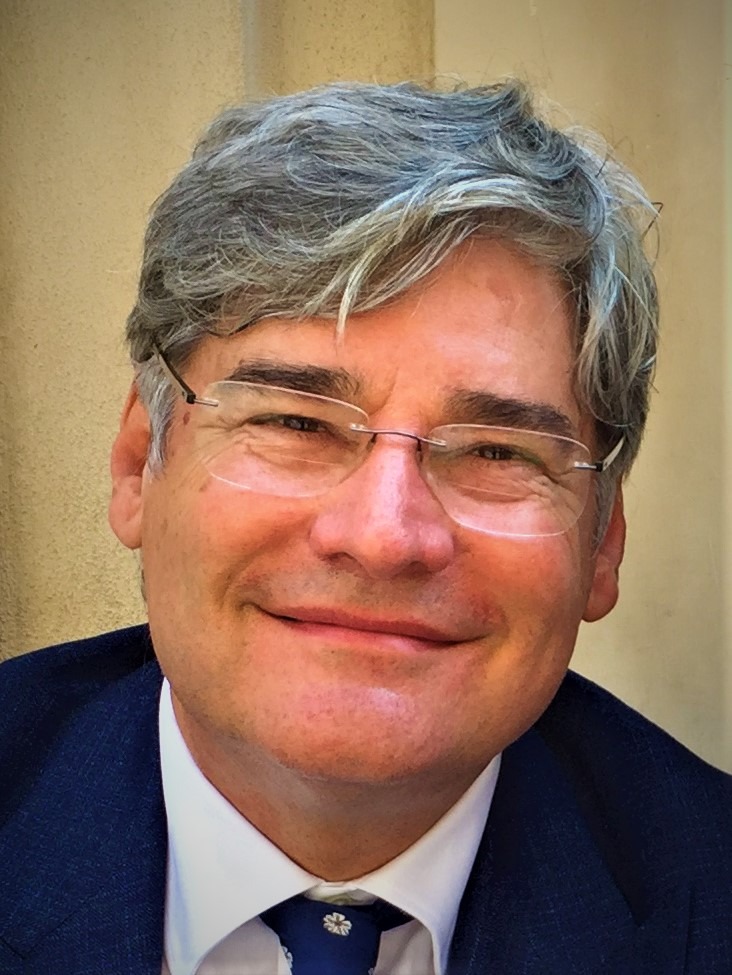
Paolo Del Debbio is a prominent Italian journalist, television host, and academic figure known for his impactful presence in the media landscape. Born on February 2, 1958, in Lucca, Italy, Del Debbio has made significant contributions to both journalism and politics in Italy. His career, marked by a blend of academic achievements, political involvement, and media influence, reflects his deep commitment to public discourse and societal issues.
Early Life and Education
Paolo Del Debbio grew up in Lucca, Tuscany, where he developed an early passion for journalism and the broader world of information. This interest led him to pursue higher education in philosophy, a field that would later influence his approach to both media and politics. Del Debbio earned his Bachelor’s degree in Philosophy from the Pontifical University of Santa Croce in Rome and later obtained a Licentiate in Philosophy from the Pontifical Urban University.
His academic background in philosophy provided him with a unique perspective on ethical and social issues, which became a cornerstone of his career in journalism. His ability to analyze and present complex topics with clarity and depth has made him a respected figure in Italian media.
Professional Beginnings and Media Career
Del Debbio’s professional journey began in the late 1980s, following his academic pursuits. One of his early roles was as the Executive Secretary at the Institut International Jacques Maritain, where he was responsible for overseeing cultural research and programming. This role marked the beginning of his involvement in both academic and public policy matters.
In 1988, Del Debbio joined Fininvest, a leading Italian media company, where he took on the role of Coordinator of the Study Center. His work at Fininvest allowed him to explore the intersection of media, culture, and politics, leading to the creation of the Media Economics Institute in Turin, which he founded and coordinated.
Del Debbio’s entry into television came in 2001 when he began hosting “Secondo Voi,” a daytime program on Mediaset networks Rete4 and Canale5. The show, which focused on journalistic analysis and commentary, ran until 2010 and established Del Debbio as a trusted voice in Italian media. His straightforward and professional approach to sensitive social and political issues resonated with audiences, earning him a reputation as a journalist who was unafraid to tackle difficult topics.
Rise to Fame: “Quinta Colonna” and Beyond
While Del Debbio had already made a name for himself in journalism, his rise to national fame came in 2012 with the launch of the political talk show “Quinta Colonna.” The program, written by fellow journalist Salvo Sottile, became a platform for Del Debbio to address pressing political issues in Italy, often involving live debates with politicians and public figures. Del Debbio’s ability to moderate intense discussions and provide insightful commentary made the show a success, and he remained its host until May 2018.
In addition to “Quinta Colonna,” Del Debbio was involved in other significant media projects. Between 2015 and 2016, he hosted “Dalla vostra parte,” another political talk show created by Mario Giordano. In 2016, he also hosted “Perché si perché no,” a short-lived program focused on the constitutional referendum in Italy that year. These shows further solidified Del Debbio’s position as a leading figure in Italian political journalism.
Since 2019, Del Debbio has been hosting “Dritto e rovescio,” a prime-time talk show on Rete4 that continues his tradition of addressing critical social and political issues. The show has been well-received, and Del Debbio’s role as host allows him to continue influencing public opinion and shaping the national conversation on important topics.
Political Involvement and Academic Contributions
In addition to his media career, Paolo Del Debbio has also had a notable career in politics. From 1994 to 1997, he served as the Director of the National Studies Office for Forza Italia, the political party founded by Silvio Berlusconi. Del Debbio played a key role in drafting the party’s first political program, contributing to its early success.
In 1995, Del Debbio ran as the candidate for president in the regional elections in Tuscany, representing the Popolo delle Libertà (People of Freedom). Although he did not win, his involvement in the election highlighted his commitment to public service and his desire to influence policy at a regional level.
Del Debbio’s political career continued in Milan, where he served as the Assessor for Peripheries and Security under Mayor Gabriele Albertini from 1997 to 2001. During this time, he also chaired the Lombardy Region’s Programming Committee, playing a crucial role in regional development and public policy.
Despite his political success, Del Debbio decided to step away from politics in 2001 to focus on his media and academic careers. He has since become a professor of Ethics and Economics at the IULM University in Milan, where he continues to educate and inspire the next generation of journalists and public figures.
Literary Contributions
Paolo Del Debbio is also an accomplished author, having published several books and essays that reflect his deep understanding of social, economic, and political issues. His works include “Global. Perché la globalizzazione ci fa bene,” published by Mondadori in 2002, and “Elogio dello Stato a pendolo. Stato e mercato nel XXI secolo,” published by Rubbettino in 2011. These publications demonstrate his ability to analyze and articulate the complexities of globalization and the relationship between the state and the market in the modern world.
Del Debbio’s literary contributions have been well-received by both the public and academics, further establishing him as a thought leader in Italian society. His writings often explore the ethical dimensions of economic and political decisions, offering readers a nuanced perspective on contemporary issues.
Personal Life
Paolo Del Debbio’s personal life has been marked by his marriage to Gina Nieri, a manager and director of institutional affairs at Mediaset. The couple married in 1988 and had two daughters, Sara and Maddalena. Although the marriage eventually ended, Del Debbio remains a devoted father and maintains a strong connection with his family.
His personal experiences, including his marriage and fatherhood, have undoubtedly influenced his approach to journalism and public life. Del Debbio’s ability to connect with his audience on a personal level, combined with his professional expertise, has made him a relatable and respected figure in Italy.
Conclusion
Paolo Del Debbio’s life and career are a testament to his dedication to public service, journalism, and education. From his early days as a philosophy student to his current role as a leading television host and academic, Del Debbio has consistently demonstrated a commitment to ethical discourse and the betterment of society.
His work in both media and politics has left a lasting impact on Italian society, and his influence continues to be felt through his television programs, academic contributions, and literary works. As a journalist, Del Debbio has not only informed the public but also challenged them to think critically about the issues that shape their lives.
Paolo Del Debbio remains an important figure in Italian culture, and his ongoing work in media and education ensures that his legacy will continue to inspire future generations.


