
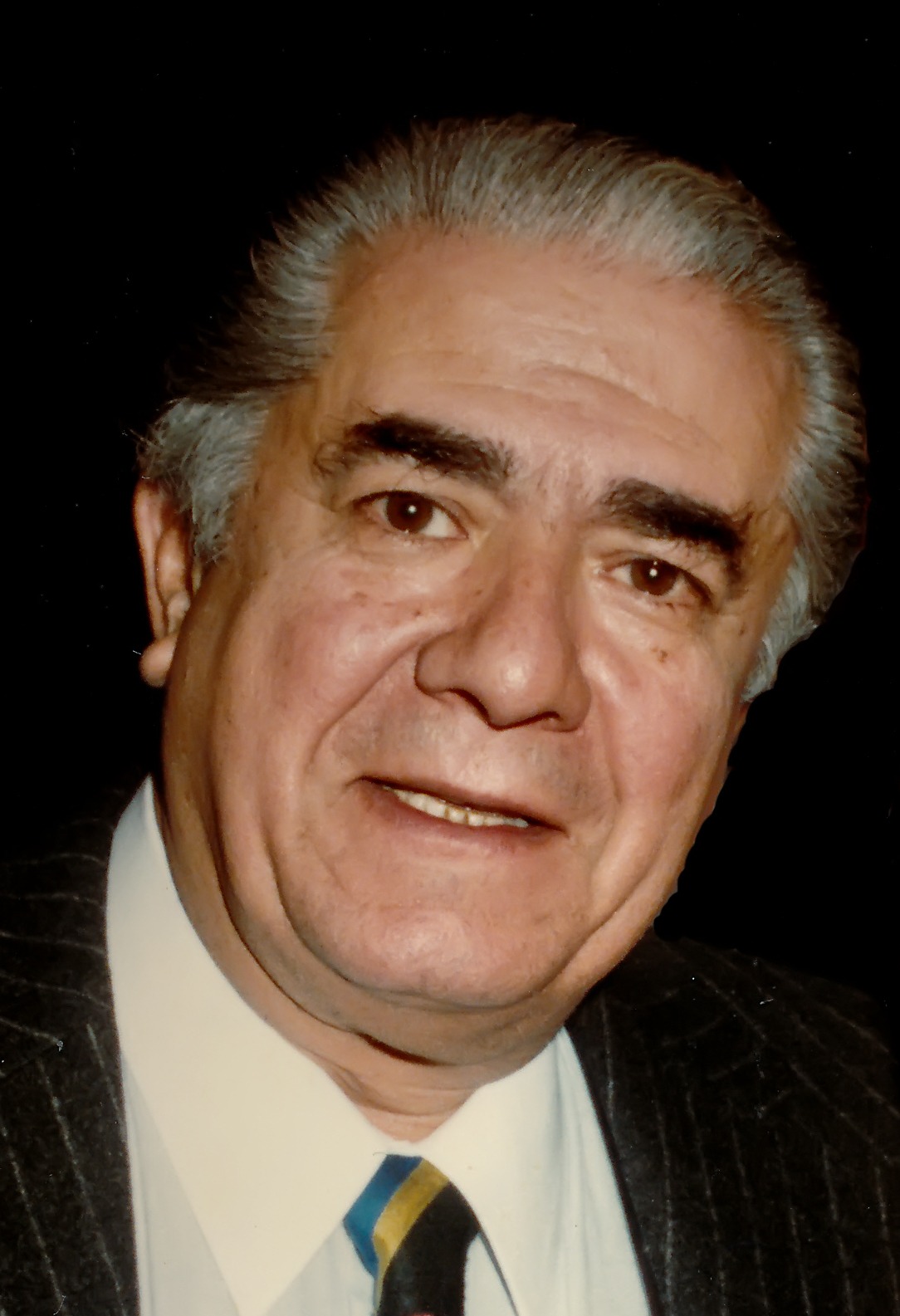
Giuseppe Di Stefano, known to his friends as “Pippo,” was one of the most celebrated tenors of the 20th century. Born on July 24, 1921, in Motta Sant’Anastasia, a small town in the province of Catania, Sicily, Di Stefano’s life journey from humble beginnings to international stardom is a testament to his extraordinary talent and relentless determination. This article delves into the life of Giuseppe Di Stefano, exploring his age, rise to fame, and the significant milestones that marked his illustrious career.
Early Life and Musical Beginnings
Giuseppe Di Stefano was born into a modest family in Sicily. His father, Salvatore, was a former carabiniere who had to leave his service to marry Angela Gentile, a seamstress from Syracuse. Economic hardships forced the family to relocate to Milan, where young Giuseppe was enrolled in a Jesuit seminary. It was here, singing in the choir, that Di Stefano’s remarkable vocal talents first became evident.
Although his initial exposure to music was in a religious setting, it was not until a friend, Danilo Fois, introduced him to the world of opera by taking him to the famous La Scala opera house in Milan, that Di Stefano discovered his passion for opera. This experience ignited a lifelong love for the art form and set him on a path that would lead to international fame.
Di Stefano’s early training was influenced significantly by the baritone Luigi Montesanto, a fellow Sicilian who had also made his way to Milan. Montesanto, who was the first performer of Puccini’s “Il Tabarro,” became Di Stefano’s mentor after the young tenor won the “Voci grezze” competition in Florence in 1938. Under Montesanto’s guidance, Di Stefano honed his craft, developing the vocal technique and emotional expressiveness that would later define his career.
World War II and Early Career Struggles
The outbreak of World War II disrupted Di Stefano’s budding career. He was conscripted into the Italian military, but his restless spirit and disdain for authority often landed him in trouble. To avoid being sent to the Russian front, Di Stefano spent much of his military service in confinement, thanks to a medical officer, Giovanni Tartaglione, who provided him with a largely fictitious medical leave. This leave allowed Di Stefano to pursue music, albeit under challenging circumstances.
During the war, Di Stefano adopted the pseudonym “Nino Florio” and performed popular music in Switzerland, where he spent the last months of the conflict. These performances, broadcast on Radio Lausanne, showcased a young tenor with immense potential. It was during this time that Di Stefano began to realize the full extent of his vocal abilities, setting the stage for his post-war career.
Rise to Fame: The Opera Debut and International Success
With the war behind him, Giuseppe Di Stefano made his official operatic debut on April 20, 1946, in Reggio Emilia. He performed the role of Des Grieux in Massenet’s “Manon,” a role that would become one of his signature parts. Di Stefano’s performance was met with immediate acclaim, and his career took off rapidly. Within a year, he was performing at some of the most prestigious opera houses in Italy, including La Scala in Milan.
Di Stefano’s international breakthrough came in 1947 when he debuted in Barcelona at the Gran Teatre del Liceu, once again in the role of Des Grieux. This performance marked the beginning of a meteoric rise that saw him quickly become one of the most sought-after tenors in the world. By 1948, Di Stefano had made his debut at the Metropolitan Opera in New York, performing as the Duke of Mantua in Verdi’s “Rigoletto.” His performances at the Met were so well-received that he became a regular fixture there until 1951.
The Artistic Partnership with Maria Callas
One of the most significant relationships in Giuseppe Di Stefano’s career was his artistic partnership with the legendary soprano Maria Callas. Their collaboration began in the early 1950s and became one of the most celebrated in the history of opera. Di Stefano’s vibrant and passionate singing style complemented Callas’s dramatic intensity, creating performances that were electrifying and emotionally charged.
The chemistry between Di Stefano and Callas was not just limited to the stage. They shared a deep artistic understanding and mutual respect that fueled their performances. Together, they performed in some of the most memorable productions of the 20th century, including “Lucia di Lammermoor” in 1954 at La Scala, conducted by Herbert von Karajan, and “Carmen” in 1955, also under Karajan’s baton. Their portrayal of the doomed lovers in “La Traviata,” directed by Luchino Visconti in 1955, remains one of the most iconic productions in opera history.
Personal Life and Challenges
Giuseppe Di Stefano’s personal life was as eventful as his professional career. In 1949, he married Maria Girolami, a young and beautiful singing student. The couple had three children and shared a life together for 25 years. However, the pressures of Di Stefano’s career, coupled with personal tragedies, took a toll on their marriage.
In 1973, Di Stefano reunited with Maria Callas for her final world tour, a series of recitals that attracted enormous attention from both the public and the media. The tour was a resounding success, and the recordings from these performances are considered some of the finest examples of their art. However, just two years later, Di Stefano faced a devastating personal loss when his second daughter, Luisa, died of an incurable illness. This tragedy, combined with the strain of his career, led to the end of his marriage to Maria Girolami.
In the late 1970s, while on tour in Germany, Di Stefano met Monika Curth, a young soprano from Hamburg. The two married, and Monika became a source of support and renewed enthusiasm for Di Stefano as he continued his career into the 1980s.
Later Career and Legacy
As Di Stefano entered the later stages of his career, he transitioned from performing to teaching. He conducted seminars and masterclasses, passing on his knowledge and experience to a new generation of singers. His focus shifted to operetta, a genre that enjoyed great respect in Germany, where he found renewed success.
Despite stepping back from full-scale opera productions, Di Stefano continued to perform occasionally. His last appearance in an operatic role was in 1992 at the Terme di Caracalla in Rome, where he played Emperor Altoum in Puccini’s “Turandot.” After this performance, Di Stefano retired from the stage, although he remained active in the music community through his teaching and occasional performances.
Final Years and Tragic Incident
In the final years of his life, Giuseppe Di Stefano split his time between Italy and Kenya, where he enjoyed a peaceful life with his second wife, Monika, and their children. However, his life took a tragic turn in December 2004 when he was brutally attacked by robbers at his home in Diani, Kenya. Di Stefano was severely injured while defending his dog from the attackers and was hospitalized in Mombasa. His condition worsened, and he fell into a coma on December 7, 2004.
On December 23, 2004, Di Stefano was transferred to a hospital in Milan, but he never regained consciousness. He remained in a state of infirmity until his death on March 3, 2008, at the age of 86, in his home in Santa Maria Hoè, near Lecco, Italy.
Giuseppe Di Stefano’s Legacy
Giuseppe Di Stefano’s legacy in the world of opera is unparalleled. He was a tenor of extraordinary vocal beauty, known for his impeccable technique and the emotional depth of his performances. His ability to produce “pianissimi”—soft, delicate notes that seemed to float effortlessly—became legendary, earning him a place among the greatest tenors of all time.
Di Stefano’s recordings, particularly those with Maria Callas, continue to be celebrated by opera lovers and critics alike. His interpretations of roles such as Des Grieux, the Duke of Mantua, and Cavaradossi in Puccini’s “Tosca” are considered definitive and remain benchmarks for tenors who follow in his footsteps.
Beyond his technical prowess, Di Stefano was admired for his passion and commitment to his art. He brought a sense of authenticity and humanity to his roles, making his performances resonate deeply with audiences. Even as he faced personal challenges and the inevitable decline that comes with age, Di Stefano’s dedication to opera never wavered.
As we reflect on the life and career of Giuseppe Di Stefano, it is clear that his contributions to opera will endure for generations. His voice, with its unique blend of power and lyricism, captured the hearts of audiences worldwide and set a standard that continues to inspire singers today. Di Stefano’s life story, marked by triumphs, tragedies, and a relentless pursuit of artistic excellence, serves as a reminder of the enduring power of opera and the profound impact that a single artist can have on the world.


