
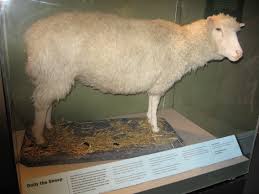
Dolly the Sheep is a name that has become synonymous with the concept of cloning, a groundbreaking scientific achievement that sparked widespread interest, ethical debates, and discussions about the future of genetic research. Born on July 5, 1996, Dolly was the first mammal to be cloned from an adult somatic cell using a process called somatic cell nuclear transfer (SCNT). Her creation marked a significant milestone in the field of biotechnology, making her one of the most famous sheep in history.
The Birth of Dolly: A Scientific Breakthrough
Dolly was born at the Roslin Institute in Edinburgh, Scotland, where a team of scientists led by Ian Wilmut and Keith Campbell successfully cloned her. The process of cloning Dolly involved transferring the nucleus from an udder cell of a six-year-old Finn Dorset sheep into an unfertilized egg cell from which the nucleus had been removed. This egg cell was then stimulated to develop into an embryo, which was implanted into a surrogate mother. After a normal gestation period, Dolly was born, an exact genetic copy of the sheep from which the udder cell was taken.
This achievement was groundbreaking because it demonstrated for the first time that it was possible to create a clone from an adult mammal. Previously, cloning had been successful using embryonic cells, but Dolly’s creation showed that adult cells could also be reprogrammed to create a new organism. This opened up new possibilities in the fields of genetics, agriculture, and medicine, sparking both excitement and concern.
Dolly’s Life and Legacy
Dolly’s birth was announced to the world on February 22, 1997, and she quickly became a global sensation. The media attention surrounding her was immense, and she was featured in countless news articles, television programs, and documentaries. Dolly lived her life at the Roslin Institute, where she was cared for by the team of scientists who created her. During her lifetime, Dolly gave birth to six lambs, showing that cloned animals could reproduce naturally.
However, Dolly’s life was not without challenges. In 2001, she was diagnosed with arthritis, which was unusual for a sheep of her age. This led to concerns that cloned animals might age prematurely or suffer from other health problems. Despite these concerns, Dolly’s creation was considered a success and provided valuable insights into the science of cloning.
In 2003, at the age of six, Dolly was euthanized after developing a progressive lung disease. The decision to euthanize her was made to prevent her from suffering. Although her lifespan was shorter than that of a typical Finn Dorset sheep, her legacy has had a lasting impact on science and the public’s understanding of cloning.
The Ethical Debate Surrounding Cloning
Dolly’s creation brought the topic of cloning to the forefront of ethical debates. While the scientific community hailed the achievement as a major breakthrough, many people were concerned about the implications of cloning. One of the primary ethical concerns was the potential for cloning to be applied to humans. The idea of human cloning raised questions about identity, individuality, and the potential for abuse of the technology.
Critics argued that cloning could lead to a loss of genetic diversity and increase the risk of genetic defects. Additionally, the possibility of cloning humans raised fears about the creation of “designer babies,” where individuals could potentially choose the traits of their offspring. This led to calls for stricter regulations and even bans on cloning in many countries.
In response to these concerns, many governments and international organizations implemented regulations to control the use of cloning technology. In the United States, for example, the Food and Drug Administration (FDA) oversees the regulation of cloning in agriculture and medicine. The ethical debate continues to this day, as advancements in genetic engineering and biotechnology raise new questions about the future of cloning and its potential impact on society.
Dolly’s Impact on Science and Medicine
Dolly’s creation had a profound impact on the field of biotechnology, particularly in the areas of genetics and regenerative medicine. One of the most significant contributions of Dolly’s cloning was the demonstration that adult cells could be reprogrammed to an embryonic state. This discovery laid the groundwork for the development of induced pluripotent stem cells (iPSCs), which are now widely used in medical research.
iPSCs have the potential to develop into any type of cell in the body, making them invaluable for studying diseases, developing new treatments, and potentially creating organs for transplantation. The ability to create patient-specific iPSCs also holds promise for personalized medicine, where treatments can be tailored to an individual’s genetic makeup.
In agriculture, cloning has been used to create genetically identical animals with desirable traits, such as increased milk production or disease resistance. While the use of cloning in agriculture has been met with some resistance, particularly in terms of animal welfare and food safety, it has also led to improvements in livestock breeding practices.
Dolly’s legacy continues to influence scientific research and the development of new technologies. Her creation marked the beginning of a new era in genetics, where the possibility of cloning and genetic engineering could reshape the future of medicine, agriculture, and even human reproduction.
The Future of Cloning and Genetic Engineering
As we look to the future, the legacy of Dolly the Sheep continues to shape the direction of scientific research and ethical discussions. The technology used to create Dolly has evolved significantly since her birth, and researchers are now exploring new applications for cloning and genetic engineering.
One area of interest is the potential for cloning endangered species to prevent extinction. By using cloning technology, scientists hope to preserve the genetic diversity of endangered animals and possibly even bring extinct species back to life. While this idea is still in its early stages, it represents a potential application of cloning that could have a positive impact on biodiversity.
In medicine, cloning technology continues to be explored for its potential to create genetically identical tissues and organs for transplantation. This could address the shortage of donor organs and reduce the risk of organ rejection in transplant patients. However, the ethical and technical challenges of this approach remain significant, and more research is needed before it can become a reality.
The possibility of human cloning, while still controversial, is also being discussed in the context of genetic research and reproductive medicine. Advances in gene editing technologies, such as CRISPR-Cas9, have opened up new possibilities for modifying the human genome. While cloning a human remains a distant and ethically fraught possibility, the combination of cloning and gene editing could one day lead to new treatments for genetic diseases or even the ability to design specific traits in offspring.
Dolly’s Place in History
Dolly the Sheep will always be remembered as a symbol of scientific achievement and the ethical challenges that come with it. Her creation marked a turning point in the field of biotechnology, demonstrating the power and potential of cloning technology. As the first mammal cloned from an adult cell, Dolly’s birth was a milestone that opened up new possibilities in genetics, medicine, and agriculture.
However, Dolly’s story is also a reminder of the importance of ethical considerations in scientific research. The debates surrounding her creation continue to influence discussions about the future of cloning and genetic engineering, as society grapples with the implications of these powerful technologies.
In conclusion, Dolly the Sheep was not just a scientific curiosity; she was a catalyst for change in the fields of genetics and biotechnology. Her legacy continues to inspire researchers and ethicists alike as they navigate the complex landscape of cloning and its potential impact on the world. As we move forward, the lessons learned from Dolly’s creation will be crucial in shaping the future of science and ensuring that advancements in biotechnology are used responsibly and ethically.


