
Introduction
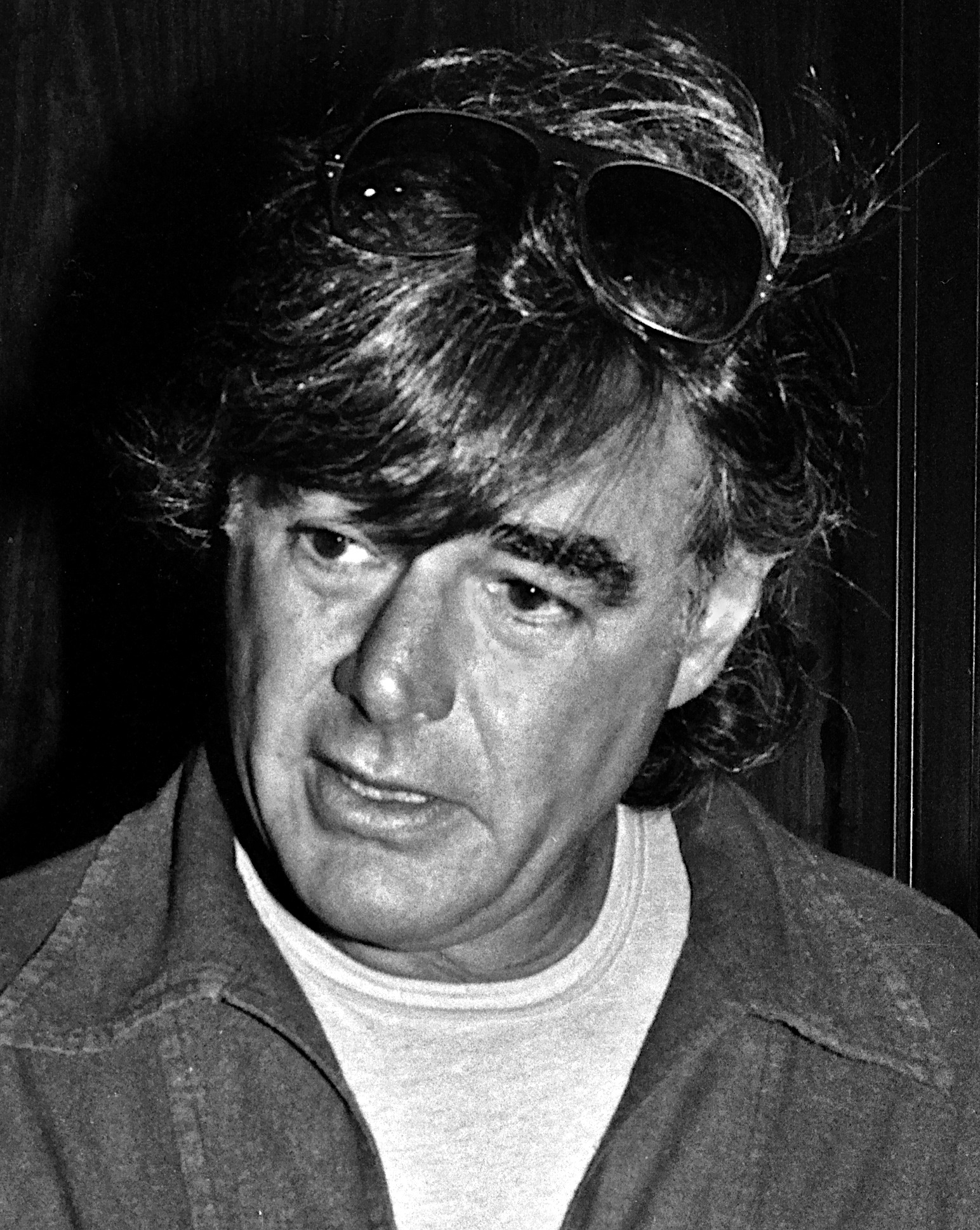
Richard Donner, born Richard Donald Schwartzberg on April 24, 1930, in the Bronx, New York, was a towering figure in the world of film and television. Known for his versatility and innovative approach to filmmaking, Donner’s career spanned over six decades, leaving an indelible mark on Hollywood. From his early beginnings in television to his rise as a director of blockbuster films, Donner’s contributions have shaped the entertainment industry in profound ways. This article delves into the life, career, and lasting legacy of Richard Donner, exploring the nuances of his work and the historical context that influenced his rise to fame.
Early Life and Beginnings
Richard Donner’s journey into the world of entertainment began in the bustling streets of the Bronx. Raised in a Jewish family, Donner initially pursued a career in acting. However, he soon realized that his true passion lay behind the camera. Transitioning to directing, he started his career by working on commercials, honing his skills in visual storytelling.
In the late 1950s, Donner made his first foray into television, directing episodes for various series. One of his early projects was the popular western series “Wanted: Dead or Alive,” starring Steve McQueen. This opportunity marked the beginning of a prolific career in television, where Donner would go on to direct over 25 different series, including notable titles like “The Twilight Zone,” “Gilligan’s Island,” “The Man from U.N.C.L.E.,” “Kojak,” and “The Fugitive.”
Breakthrough in Television
Donner’s work in television allowed him to develop a keen understanding of pacing, character development, and the use of suspense, all of which would become trademarks of his later work in film. His episode “Nightmare at 20,000 Feet” from “The Twilight Zone,” starring William Shatner, remains one of the most iconic episodes in the series’ history. This particular episode showcased Donner’s ability to create tension and fear, a skill that would serve him well in his future projects.
By the early 1970s, Donner had established himself as a reliable and creative director in the television industry. However, he was eager to transition to feature films, where he could explore more complex narratives and reach a wider audience. His early film work included the low-budget military drama “X-15” (1961), starring Charles Bronson. Although the film did not achieve commercial success, it provided Donner with valuable experience in directing for the big screen.
Rise to Fame: “The Omen” and “Superman”
Richard Donner’s breakthrough in film came in 1976 with the release of “The Omen,” a supernatural horror film that would become a classic of the genre. Starring Gregory Peck and Lee Remick, the film tells the chilling story of a family who discovers that their adopted son is the Antichrist. “The Omen” was a critical and commercial success, grossing over $60 million worldwide and establishing Donner as a major talent in Hollywood.
Following the success of “The Omen,” Donner was approached to direct “Superman” (1978), a film that would revolutionize the superhero genre. Starring Christopher Reeve as the titular character, along with Marlon Brando and Gene Hackman, “Superman” was an ambitious project that required groundbreaking special effects and a compelling story. Donner’s vision for the film was to present Superman as a believable character within a world that audiences could relate to, a departure from the campier superhero films of the past.
“Superman” was a massive success, both critically and commercially, grossing over $300 million worldwide. Donner’s ability to balance action, humor, and heart made the film a template for future superhero movies. The film’s tagline, “You’ll believe a man can fly,” became synonymous with the sense of wonder that Donner brought to the screen. “Superman” also marked the beginning of a new era in Hollywood, where comic book adaptations would become a dominant force in the industry.
Continued Success: “The Goonies” and “Lethal Weapon”
In the years following “Superman,” Richard Donner continued to direct a series of successful films that showcased his versatility as a filmmaker. In 1985, he directed “The Goonies,” a family adventure film produced by Steven Spielberg and written by Chris Columbus. “The Goonies” became a cultural phenomenon, beloved by audiences for its sense of adventure, humor, and memorable characters. The film has since become a staple of 1980s pop culture, influencing generations of filmmakers and viewers.
Donner’s success continued with the “Lethal Weapon” series, which began with the release of the first film in 1987. Starring Mel Gibson and Danny Glover, “Lethal Weapon” was a buddy cop film that combined intense action sequences with sharp humor and strong character dynamics. The chemistry between Gibson and Glover, along with Donner’s deft direction, made the film a hit, leading to three sequels over the next decade. The “Lethal Weapon” series is credited with revitalizing the action genre and setting the standard for future films in the same vein.
Exploring New Genres: “Ladyhawke,” “Scrooged,” and “Assassins”
Throughout his career, Richard Donner demonstrated a remarkable ability to navigate different genres, from horror and action to fantasy and comedy. In 1985, he directed “Ladyhawke,” a medieval fantasy film starring Rutger Hauer, Michelle Pfeiffer, and Matthew Broderick. The film, with its blend of romance, adventure, and supernatural elements, showcased Donner’s ability to create immersive and visually stunning worlds. Although “Ladyhawke” received mixed reviews upon its release, it has since gained a cult following and is regarded as one of Donner’s most unique films.
In 1988, Donner directed “Scrooged,” a modern retelling of Charles Dickens’ “A Christmas Carol” starring Bill Murray. The film was a departure from Donner’s previous work, incorporating dark humor and satirical commentary on the commercialization of Christmas. “Scrooged” was a box office success and has become a holiday classic, known for Murray’s iconic performance and Donner’s sharp direction.
Donner continued to explore new genres with “Assassins” (1995), a thriller written by the Wachowski siblings and starring Sylvester Stallone, Antonio Banderas, and Julianne Moore. The film, which centers on a battle between two rival assassins, allowed Donner to experiment with suspense and action in a more contemporary setting. While “Assassins” received mixed reviews, it demonstrated Donner’s willingness to take risks and challenge himself as a filmmaker.
Later Career and Legacy
As the 21st century began, Richard Donner’s contributions to cinema continued to be recognized and celebrated. In 2003, he directed “Timeline,” a science fiction adventure film based on the novel by Michael Crichton. Although the film did not achieve the same level of success as some of Donner’s earlier works, it was a testament to his enduring passion for storytelling and his ability to adapt to changing cinematic trends.
Donner’s final directorial effort came in 2006 with “16 Blocks,” a crime thriller starring Bruce Willis. The film, which focuses on a weary detective tasked with escorting a witness to court, was praised for its tension-filled narrative and strong performances. “16 Blocks” served as a fitting conclusion to Donner’s illustrious career, highlighting his skill in crafting engaging and suspenseful stories.
Throughout his career, Richard Donner also worked as a producer, contributing to several blockbuster films, including “X-Men” (2000) and its sequel “X-Men: Origins – Wolverine” (2009). His work as a producer allowed him to mentor younger filmmakers and continue influencing the industry even as his directorial output slowed.
Personal Life and Passing
Richard Donner was married to producer Lauren Shuler Donner, who was also a significant figure in Hollywood. Together, they formed The Donners’ Company, which produced several successful films and television series. The couple was known for their close partnership, both personally and professionally, and their contributions to the entertainment industry have left a lasting legacy.
On July 5, 2021, Richard Donner passed away at the age of 91 in Los Angeles, California, due to heart failure. His death marked the end of an era in Hollywood, as one of the most versatile and influential filmmakers of his generation was laid to rest.
The Legacy of Richard Donner
Richard Donner’s impact on Hollywood is immeasurable. He was a pioneer in the superhero genre, a master of action filmmaking, and a director who could move seamlessly between different genres. His films have entertained and inspired millions of people around the world, and his influence can be seen in the work of countless filmmakers who followed in his footsteps.
Donner’s career is a testament to the power of storytelling and the enduring appeal of cinema. He believed in the magic of movies and dedicated his life to bringing that magic to audiences. As we reflect on his life and career, it is clear that Richard Donner’s legacy will continue to shape the world of film for generations to come.
In conclusion, Richard Donner was more than just a filmmaker; he was a visionary who pushed the boundaries of what was possible in cinema. His contributions to the industry are unparalleled, and his work will continue to be celebrated for years to come. As we remember Richard Donner, we honor not only his films but also the man who believed in the power of storytelling to change the world.


