
Introduction
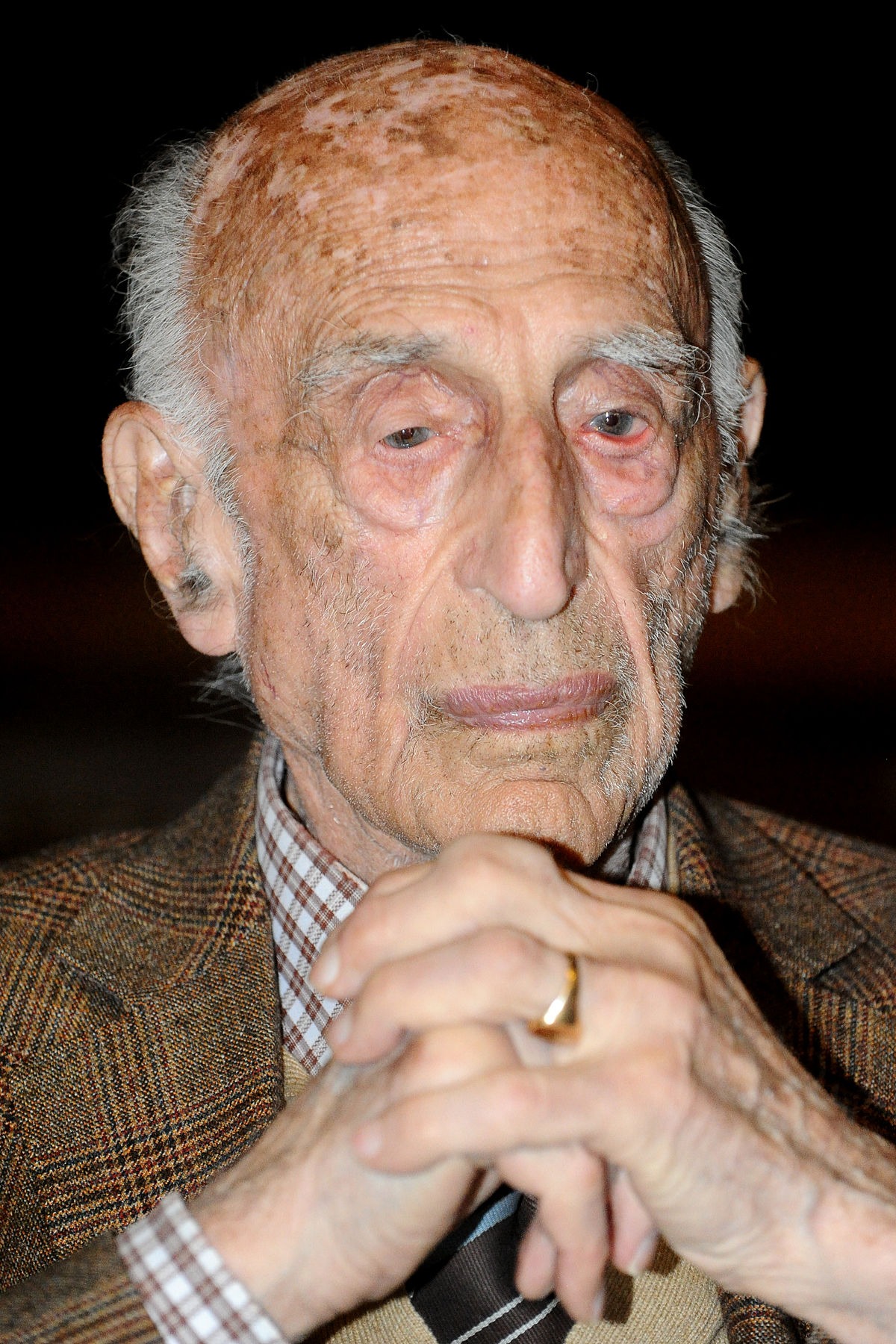
Gillo Dorfles, born on April 12, 1910, in Trieste, Italy, was a renowned art critic, painter, and philosopher whose influence on contemporary art and aesthetics is profound and enduring. Throughout his life, which spanned over a century, Dorfles became a central figure in the discourse of modern art, playing a pivotal role in shaping the understanding and appreciation of contemporary aesthetics. His contributions extended far beyond the traditional boundaries of art criticism, encompassing a wide range of disciplines including design, fashion, and even advertising. This article delves into the life, career, and legacy of Gillo Dorfles, providing detailed insights into his impact on the world of art and culture.
Early Life and Education
Gillo Dorfles was born into a cultured and intellectual family in Trieste, a city that was then part of the Austro-Hungarian Empire. His father was a successful businessman, and his mother came from a family with a strong artistic background. This environment fostered Dorfles’ early interest in the arts and humanities. He pursued his education in Milan, where he studied medicine, specializing in psychiatry, a field that would later influence his approach to aesthetics and art criticism.
Despite his medical background, Dorfles’ passion for art and philosophy led him to explore the intersections between these fields. His intellectual curiosity and interdisciplinary approach became hallmarks of his career. In the early 1940s, Dorfles began to publish his first articles on art criticism, marking the beginning of a long and influential career.
The MAC Movement and Artistic Endeavors
In 1948, Dorfles co-founded the Movimento Arte Concreta (MAC) alongside artists Atanasio Soldati, Bruno Munari, and Gianni Monnet. The MAC movement was an Italian response to the broader European trend of Concrete Art, which emphasized abstraction and a focus on pure form and color, devoid of any representational content. The movement sought to merge art with industry, promoting an aesthetic that was both modern and functional.
Dorfles’ involvement in the MAC was not only as a critic but also as an artist. His paintings, characterized by geometric abstraction and a focus on color and form, were exhibited in numerous group shows alongside his fellow MAC members. While Dorfles’ work as a painter was significant, it was his theoretical contributions that left a lasting impact on the movement and the broader art world.
The MAC movement, although short-lived, played a crucial role in the development of post-war Italian art. It laid the groundwork for future explorations in abstract art and design, and Dorfles’ writings from this period remain essential readings for those interested in the history of modern art.
Contributions to Art Criticism and Aesthetics
Gillo Dorfles’ most significant contributions to the art world came through his work as a critic and theorist. Over the course of his career, he published more than thirty books, each exploring different aspects of contemporary art and aesthetics. His 1961 book, Ultime tendenze nell’arte d’oggi (Latest Trends in Today’s Art), became a seminal text, offering a comprehensive overview of contemporary art movements from Informalism to Postmodernism. The book’s success was notable, given the often niche and challenging nature of contemporary art, and it went through numerous reprints, becoming a staple for students and enthusiasts of modern art.
Dorfles was known for his ability to articulate complex ideas in an accessible and engaging manner. His writings covered a broad range of topics, from the evolution of taste and the concept of kitsch to the relationship between art and industry. One of his most influential works, Il Kitsch (1968), explored the phenomenon of kitsch in art and culture, offering insights into how mass production and commercialization were impacting aesthetic values.
Another important work, Nuovi riti, nuovi miti (1965), examined the rituals and myths of modern society, analyzing how contemporary culture was shaping new forms of expression and identity. Dorfles’ ability to connect art with broader social and cultural trends made his work particularly relevant and impactful.
Influence on Design and Architecture
Gillo Dorfles’ influence extended beyond the visual arts into the realms of design and architecture. He was a strong advocate for the integration of art and design, believing that the two disciplines were intrinsically linked. His interest in design led him to explore the aesthetic qualities of everyday objects, from industrial products to fashion.
In his writings, Dorfles often emphasized the importance of good design, not just in terms of functionality but also in terms of its aesthetic and cultural significance. He believed that design had the power to shape the way people lived and interacted with the world around them. His work in this area was particularly influential during the post-war period, when Italy became a leader in industrial design and fashion.
Dorfles was also a vocal critic of what he saw as the negative effects of mass production and consumerism on design. He argued that the pursuit of profit often led to a decline in aesthetic standards and the proliferation of kitsch. His critiques were not merely academic; they were part of a broader discourse on the role of art and design in society, a discourse that Dorfles helped to shape and define.
Teaching and Academic Contributions
In addition to his work as a critic and writer, Gillo Dorfles was also a dedicated educator. He held teaching positions at several prestigious universities, including the University of Milan, the University of Florence, and the University of Trieste. As a professor of aesthetics, Dorfles influenced generations of students, many of whom went on to become prominent figures in the fields of art, design, and architecture.
Dorfles’ teaching was characterized by an interdisciplinary approach, reflecting his belief that art could not be understood in isolation from other cultural and intellectual currents. He encouraged his students to think critically about the role of art in society and to consider the broader implications of their work.
Dorfles also served as a visiting professor at several international institutions, further extending his influence beyond Italy. His lectures and seminars were highly regarded for their depth and insight, and he was frequently invited to speak at conferences and symposiums around the world.
Later Life and Legacy
Gillo Dorfles remained active in the art world well into his later years. Even as he approached his centennial, he continued to write, lecture, and participate in exhibitions. His longevity and sustained relevance in the art world were testaments to his intellectual vigor and passion for the arts.
In recognition of his contributions to art and culture, Dorfles received numerous awards and honors throughout his life. One of the most prestigious was the honorary doctorate he received from the Universidad Autónoma Metropolitana in Mexico City. This award was a tribute to Dorfles’ pioneering work in aesthetics and his influence on modern art.
Dorfles’ impact on the art world is evident not only in his extensive body of written work but also in the many artists, designers, and architects who were influenced by his ideas. His writings continue to be studied and referenced by scholars and practitioners alike, ensuring that his legacy will endure for generations to come.
Gillo Dorfles passed away on March 2, 2018, just weeks before his 108th birthday. His death marked the end of an era in the Italian art world, but his ideas and contributions live on through his books, essays, and the countless individuals he inspired.
Conclusion
Gillo Dorfles was more than just an art critic; he was a visionary who saw the connections between art, design, culture, and society. His interdisciplinary approach to aesthetics and his ability to articulate complex ideas in an accessible way made him one of the most important figures in 20th-century art and culture.
Dorfles’ legacy is vast and multifaceted. He played a crucial role in shaping the discourse on contemporary art, design, and aesthetics, and his influence can still be felt today. As we continue to grapple with the challenges and opportunities of the modern world, Dorfles’ insights into the nature of art and culture remain as relevant as ever.
In reflecting on the life and work of Gillo Dorfles, we are reminded of the power of art to shape our understanding of the world and our place within it. Dorfles’ contributions to the fields of art and aesthetics have left an indelible mark on the cultural landscape, and his legacy will continue to inspire and inform future generations of artists, scholars, and thinkers.


