
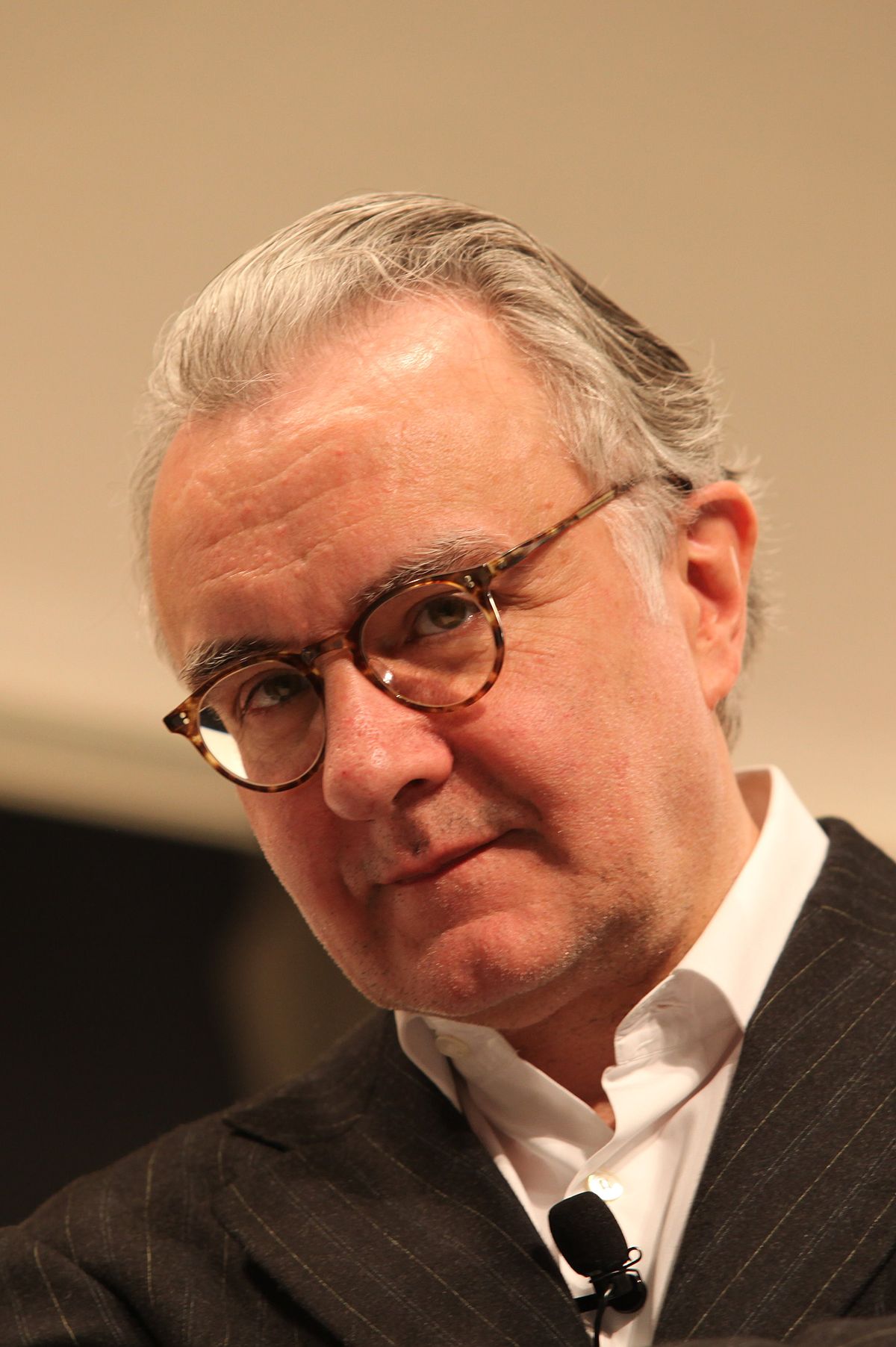
Alain Ducasse, born on September 13, 1956, in Castel-Sarrazin, France, is a name synonymous with haute cuisine. Over the years, Ducasse has become one of the most renowned chefs in the world, with a career that has not only earned him multiple Michelin stars but has also redefined fine dining globally. This article delves into his life, his rise to fame, and the highlights that have marked his illustrious career.
Early Life and Culinary Beginnings
Alain Ducasse was raised on a farm in the southwestern region of France, an environment that would shape his culinary philosophy centered around natural and locally sourced ingredients. His early exposure to the farm-to-table lifestyle instilled in him a deep respect for nature and a keen understanding of the importance of quality produce. This would later become a hallmark of his culinary style.
At the age of sixteen, Ducasse embarked on his culinary journey with an apprenticeship at the “Pavillon Landais” restaurant in Soustons, while simultaneously attending a hotel school in Bordeaux. This early training provided him with a solid foundation in the basics of French cuisine. However, it was his subsequent experiences that truly shaped his future.
Ducasse honed his skills under the mentorship of some of the most esteemed chefs of the time. He worked with Michel Guérard at Eugenie-les-Bains, where he was introduced to the principles of “cuisine minceur,” a lighter style of cooking that emphasized flavor without the heaviness traditionally associated with French cuisine. He also spent his summers working with Gaston Lenôtre, one of the most celebrated pâtissiers in France, further broadening his culinary expertise.
Rise to Fame
In 1977, Ducasse became the assistant to Roger Vergé at “Le Moulin de Mougins,” a renowned restaurant in Provence. Vergé was a pioneer of the “Cuisine du Soleil,” a culinary style that emphasized the use of fresh, sun-drenched ingredients typical of the Mediterranean. Under Vergé’s tutelage, Ducasse developed a deep appreciation for Provençal cuisine, which would later become a significant influence on his own cooking.
By 1980, Ducasse had risen to the position of head chef at “L’amandier” in Mougins. His talent and dedication quickly earned him recognition, and in 1981, he moved to “La Terrasse” at the “Hotel Juana” in Juan-les-Pins. It was here that Ducasse first began to make a name for himself in the world of haute cuisine. His innovative approach and meticulous attention to detail earned “La Terrasse” two Michelin stars in 1984, catapulting him into the spotlight.
The Louis XV and Global Expansion
One of the pivotal moments in Ducasse’s career came in 1987 when he was offered the position of head chef at the “Hotel de Paris” in Monte Carlo. The hotel’s restaurant, “Le Louis XV,” was a prestigious establishment, but it was Ducasse who would elevate it to legendary status. In just three years, “Le Louis XV” became the first hotel restaurant to be awarded three Michelin stars, a feat that solidified Ducasse’s reputation as one of the world’s leading chefs.
Ducasse’s success at “Le Louis XV” marked the beginning of his global culinary empire. He began to expand beyond the confines of a single restaurant, opening establishments in various locations across the world. In 1996, he opened “Le Parc – Sofitel Demeure Hotels” in the 16th arrondissement of Paris. The restaurant was an immediate success, earning three Michelin stars within eight months of opening.
Ducasse’s ambition was not limited to France. In 2000, he made his mark in the United States with the opening of a restaurant in New York City at 160 Central Park South. The establishment quickly garnered critical acclaim, and in 2005, it was awarded three Michelin stars, making Ducasse the first chef in the world to simultaneously hold three Michelin stars in three different cities.
Challenges and Triumphs
Despite his tremendous success, Ducasse’s career has not been without its challenges. In 1984, he survived a near-fatal plane crash, an event that profoundly impacted his life and career. This brush with death only strengthened his resolve to pursue excellence in his craft.
Ducasse also faced significant challenges from external forces. In 2004, a restaurant he opened near Biarritz in the Basque region of France became the target of a terrorist attack by the nationalist group Irrintzi. The group accused Ducasse of exploiting Basque culture for commercial gain, reducing the region to a mere tourist attraction. The restaurant was closed shortly after the attack, but Ducasse remained undeterred in his pursuit of culinary innovation.
The Ducasse Empire
Today, Alain Ducasse oversees an empire that spans multiple continents. His organization employs around 1,400 people and operates approximately 20 restaurants worldwide, including in cities like Paris, London, Monaco, New York, Tokyo, Las Vegas, and Hong Kong. Ducasse has also expanded into other areas of the hospitality industry, including hotels and educational ventures.
In addition to his restaurants, Ducasse is a prolific author, having published numerous cookbooks that reflect his culinary philosophy and techniques. He is also deeply involved in culinary education, offering cooking courses that aim to pass on his knowledge and expertise to the next generation of chefs.
One of Ducasse’s most intriguing collaborations has been with the European Space Agency (ESA). Ducasse has worked with the ESA to develop meals that are suitable for astronauts, demonstrating his commitment to pushing the boundaries of culinary science.
Culinary Philosophy and Legacy
Alain Ducasse is known for his commitment to authentic and essential cuisine. His approach to cooking is characterized by a deep respect for natural ingredients and a dedication to sustainability. Ducasse has been a vocal advocate for the use of locally sourced and seasonal produce, and his menus often reflect the diversity and richness of the regions in which his restaurants are located.
Ducasse’s culinary philosophy is also deeply rooted in the idea of simplicity. He believes that the true essence of a dish lies in the quality of its ingredients and the skill with which they are prepared. This focus on simplicity and authenticity has been a defining feature of his work and has influenced countless chefs around the world.
Ducasse’s impact on the world of haute cuisine cannot be overstated. He has redefined what it means to be a chef, expanding the role beyond the kitchen to encompass business, education, and innovation. His ability to combine traditional techniques with modern creativity has made him a pioneer in the culinary world.
Historical Context and Influence
Understanding Ducasse’s influence requires an appreciation of the historical context in which he rose to fame. The latter half of the 20th century saw a significant shift in the culinary world, with a growing emphasis on innovation, sustainability, and globalization. Ducasse was at the forefront of this movement, helping to shape the direction of modern haute cuisine.
His emphasis on regional ingredients and his commitment to sustainability have also resonated with broader trends in the food industry. In a world increasingly concerned with environmental impact and food security, Ducasse’s approach offers a model for how haute cuisine can be both luxurious and responsible.
The Legacy of Alain Ducasse
Alain Ducasse’s legacy is one of excellence, innovation, and a relentless pursuit of perfection. His influence extends far beyond the walls of his restaurants, impacting the global culinary scene and inspiring a new generation of chefs. Ducasse has not only mastered the art of cooking but has also redefined what it means to be a successful chef in the modern world.
His work continues to set the standard for haute cuisine, blending tradition with innovation in a way that has captivated diners and critics alike. As a chef, restaurateur, author, and educator, Ducasse’s contributions to the culinary arts will be felt for generations to come.
Conclusion
Alain Ducasse is more than just a chef; he is a visionary who has transformed the world of haute cuisine. From his humble beginnings in southwestern France to his position as a global culinary icon, Ducasse’s journey is a testament to the power of passion, creativity, and dedication. His legacy is one of innovation, sustainability, and excellence, qualities that continue to inspire chefs and food lovers around the world.
Ducasse’s story is a reminder that great cuisine is not just about the food on the plate; it is about the values and vision that go into creating it. In a world where the culinary landscape is constantly evolving, Alain Ducasse remains a beacon of what is possible when tradition meets innovation.


