
Introduction
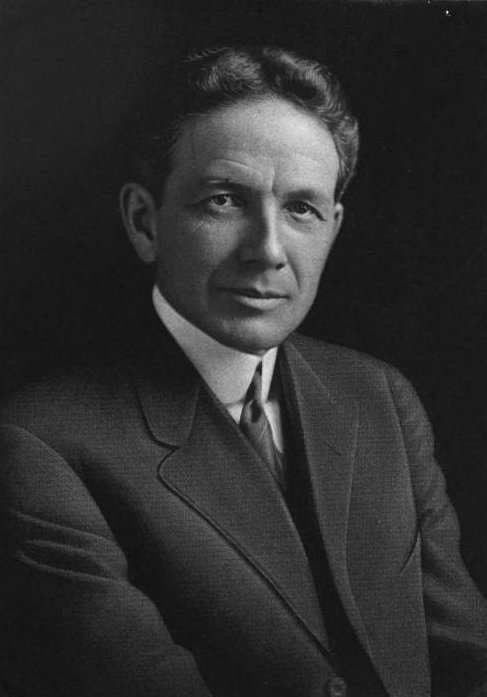
William C. Durant, a name synonymous with the foundation of General Motors (GM), was a visionary entrepreneur who played a pivotal role in shaping the American automobile industry. Born on December 8, 1861, in Boston, Massachusetts, Durant’s journey from a high school dropout to the founder of one of the largest automobile manufacturers in the world is a testament to his innovative spirit, business acumen, and relentless determination. This article delves into the life and career of William C. Durant, exploring the significant moments that defined his rise to fame, his contributions to the automotive industry, and the challenges he faced along the way.
Early Life and Career Beginnings
William Crapo Durant was born into a well-off family in Boston, but his formative years were spent in Flint, Michigan, where he moved with his mother after his parents separated. Despite his privileged background, Durant was not particularly interested in academics. At the age of 17, he dropped out of high school and began working in his grandfather’s lumberyard. This early exposure to business operations would later influence Durant’s approach to entrepreneurship.
Durant’s first major business venture came in 1885 when he partnered with Josiah Dallas Dort to establish the Coldwater Road Cart Company. The company quickly became a success, manufacturing horse-drawn carriages that were known for their quality and durability. By 1890, the renamed Durant-Dort Carriage Company was the largest manufacturer of horse-drawn vehicles in the United States, producing over 50,000 units annually. This early success in the carriage business laid the foundation for Durant’s future endeavors in the burgeoning automobile industry.
Entry into the Automobile Industry
The turn of the 20th century marked a significant shift in the transportation industry, with the advent of the automobile. Recognizing the potential of this new technology, Durant entered the automotive industry in 1904 when he was approached by James Whiting of the Buick Motor Company. Whiting sought Durant’s expertise to promote and manage Buick, a fledgling automobile manufacturer at the time. Durant accepted the challenge and quickly transformed Buick into a leading automobile brand.
Durant’s approach was innovative. He focused on aggressive marketing, building a nationwide network of dealerships, and emphasizing the quality and reliability of Buick vehicles. Under his leadership, Buick’s production soared, and by 1908, it was the top-selling automobile brand in the United States, with over 8,000 vehicles produced annually. This success not only established Buick as a dominant force in the automotive industry but also solidified Durant’s reputation as a visionary leader.
Founding General Motors
Buoyed by Buick’s success, William Durant set his sights on a more ambitious goal: creating a conglomerate that would bring together multiple automobile manufacturers under one corporate umbrella. His vision was to build a company that could leverage economies of scale, share resources, and dominate the automobile market. This vision led to the founding of General Motors (GM) on September 16, 1908.
With an initial capital of $2,000, Durant quickly set about acquiring other automobile companies. Within just 12 days of its founding, GM had raised over $12 million through stock sales. Durant used these funds to purchase Buick, which became GM’s flagship brand. Over the next 18 months, Durant continued his aggressive expansion, acquiring companies like Oldsmobile, Cadillac, and Oakland (which later became Pontiac). By 1910, GM had acquired or negotiated with over 30 different companies, making it one of the largest and most powerful corporations in the United States.
However, Durant’s rapid expansion came at a cost. The aggressive acquisition strategy led to significant financial strain on GM, with mounting debts and interest payments. In 1910, the financial pressures became too great, and Durant was forced out of the company he had founded. Despite this setback, Durant’s contributions to the creation and growth of GM were undeniable, and his vision had forever changed the automotive landscape.
The Chevrolet Comeback
Undeterred by his ousting from GM, William Durant quickly set out to rebuild his fortunes. In 1911, he partnered with Louis Chevrolet, a Swiss-born race car driver and engineer, to establish the Chevrolet Motor Company. Durant’s goal was to create a new automobile brand that could compete directly with GM. Leveraging Chevrolet’s engineering expertise and Durant’s marketing acumen, the company quickly gained traction in the market.
By 1915, Chevrolet had become one of the most popular automobile brands in the United States. Durant saw an opportunity to use Chevrolet’s success as a means to regain control of General Motors. He orchestrated a reverse takeover, using Chevrolet’s profits to buy a controlling interest in GM stock. By 1916, Durant had successfully regained control of GM, and Chevrolet was merged into the General Motors conglomerate.
Durant’s return to GM was marked by a renewed focus on innovation and expansion. Under his leadership, GM continued to grow, acquiring more companies and expanding its product offerings. However, the financial challenges that had plagued Durant in his first tenure at GM began to resurface. The economic instability of the post-World War I era, combined with Durant’s penchant for risky investments, once again put GM in a precarious financial position.
In 1920, faced with mounting debts and pressure from GM’s board of directors, Durant was forced to step down as president of GM for the second and final time. This marked the end of Durant’s direct involvement with General Motors, but his influence on the company and the industry as a whole would endure.
Durant Motors and Later Years
After his departure from GM, William Durant continued to pursue his passion for the automotive industry. In 1921, he founded Durant Motors, a new automobile manufacturing company that aimed to produce a wide range of vehicles under various brand names, including Durant, Star, and Locomobile. Durant Motors experienced initial success, particularly with its affordable Star brand, which was designed to compete with Ford’s Model T.
However, the company struggled to maintain profitability in the face of stiff competition and an increasingly saturated market. The economic downturn of the late 1920s and the onset of the Great Depression in 1929 dealt a severe blow to Durant Motors, and the company eventually went bankrupt in 1933. Despite his best efforts, Durant was unable to replicate the success he had achieved with GM, and his career as an automobile manufacturer came to an end.
In the final years of his life, Durant continued to explore new business ventures, including investments in real estate, the stock market, and even a failed attempt to create a nationwide chain of bowling alleys. However, none of these ventures matched the success of his earlier endeavors. By the time of his death on March 18, 1947, in New York City, Durant had largely withdrawn from public life, leaving behind a complex legacy as one of the most influential figures in the history of the American automobile industry.
Legacy and Impact on the Automotive Industry
William C. Durant’s legacy is one of innovation, ambition, and resilience. As the founder of General Motors and the driving force behind the creation of Chevrolet, Durant played a crucial role in shaping the modern automobile industry. His vision of a vertically integrated automobile conglomerate that could produce a wide range of vehicles under different brand names became the model for the industry and set the stage for the dominance of American automakers in the 20th century.
Durant’s approach to business was characterized by boldness and a willingness to take risks. While this led to significant achievements, it also resulted in financial instability and, ultimately, his downfall. Nevertheless, Durant’s contributions to the automotive industry are undeniable. His ability to recognize the potential of the automobile and his efforts to consolidate and grow the industry helped to make the automobile a central part of American life.
Durant’s story is also a reminder of the challenges and uncertainties that come with entrepreneurship. His rise and fall illustrate the importance of balancing innovation with financial prudence and the difficulties of sustaining success in a rapidly changing industry. Despite the setbacks he faced, Durant’s impact on the automotive industry continues to be felt today, and his legacy lives on in the companies he helped to create.
Conclusion
William C. Durant was a pioneering entrepreneur whose vision and determination helped to transform the American automobile industry. From his early success in the carriage business to the founding of General Motors and Chevrolet, Durant’s career was marked by innovation, ambition, and resilience. Although he faced significant challenges and setbacks, Durant’s contributions to the automotive industry have left an indelible mark on history. His legacy as the founder of GM and one of the key figures in the development of the American automobile industry will continue to inspire future generations of entrepreneurs and business leaders.


