
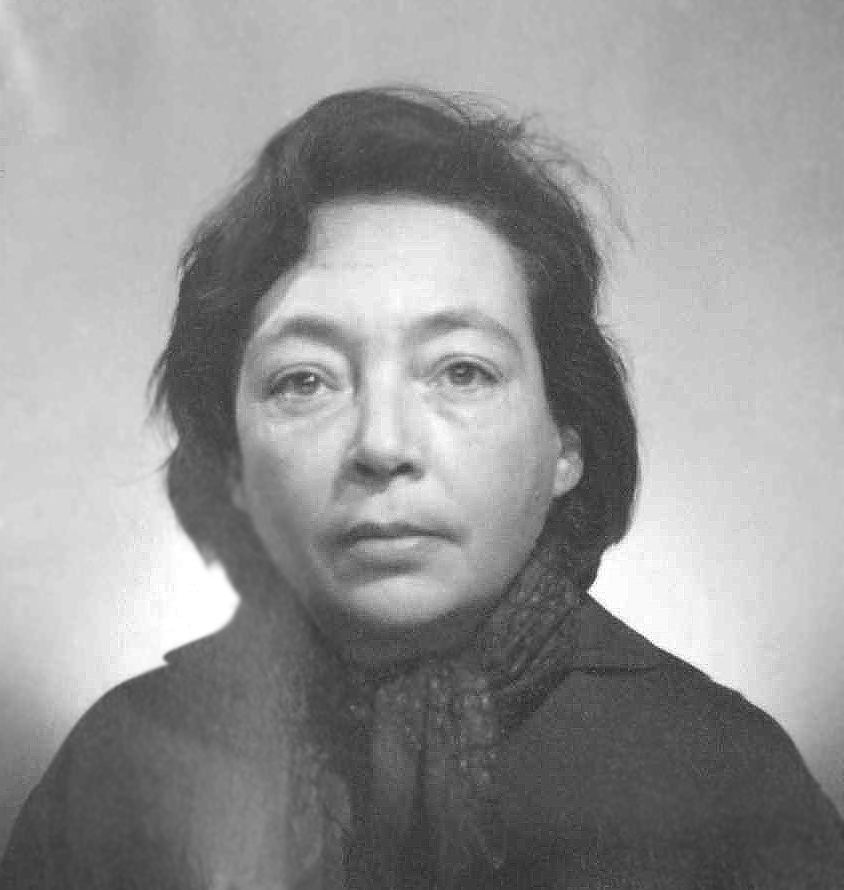
Marguerite Duras, born Marguerite Donnadieu on April 4, 1914, in Gia Dinh, Cochinchina (now part of Vietnam), was a pioneering French writer and filmmaker whose work left an indelible mark on 20th-century literature and cinema. Her life and career were marked by a complex interplay of personal experiences, political engagements, and a distinctive literary voice that resonated with readers and critics alike. This article explores the life, fame, and key highlights of Marguerite Duras, delving into the historical context that shaped her, her rise to prominence, and her lasting impact on the arts.
Early Life and Background
Marguerite Duras was born into a colonial French family in what was then French Indochina. Her father, originally from Lot-et-Garonne in France, passed away when she was just four years old, leaving her mother, who hailed from northern France, to raise Marguerite and her two brothers, Pierre and Paulo, in challenging circumstances. The family relocated several times within Indochina, eventually settling in Cambodia, where they faced considerable hardships due to the inhospitable land that they had acquired.
Duras’s early years in Indochina would profoundly influence her literary work. The themes of colonialism, the clash of cultures, and the oppressive heat and exotic landscapes of Southeast Asia recur in her writing, imbuing her work with a unique sense of place and atmosphere. Her experiences growing up in a colonial environment, combined with the loss of her father and the struggles of her mother, fostered a deep sense of resilience and introspection in Duras, traits that would later characterize her literary persona.
Education and Early Career
In 1930, Duras moved to Saigon to pursue her education, attending a boarding school where she met the young Chinese man who would become the inspiration for her most famous novel, The Lover (1984). This relationship, marked by societal taboos and personal complexities, would later be immortalized in her semi-autobiographical work, which explores themes of love, desire, and the intersections of race and class.
After completing her secondary education in Saigon, Duras left Indochina in 1932 to study in Paris, where she enrolled in courses in law, mathematics, and political science. However, it was not long before her literary inclinations took over. In 1939, after marrying Robert Antelme, Duras began working for various publishing houses, marking the start of her career in literature.
World War II and Political Engagement
The outbreak of World War II and the subsequent Nazi occupation of France had a profound impact on Duras’s life and work. Her husband, Robert Antelme, was an active member of the French Resistance and was eventually arrested and deported to the Buchenwald concentration camp. Duras herself joined the Resistance in 1943, where she was involved in various clandestine activities. This period of her life was marked by immense personal tragedy, including the death of her first child and her brother Paulo, experiences that deepened her understanding of human suffering and resilience.
Duras’s involvement in the Resistance, coupled with her growing disillusionment with traditional societal norms, led her to embrace more radical political views. She joined the French Communist Party in the mid-1940s, although she would later distance herself from the party due to ideological differences. Her political engagement during this period is reflected in her work, which often critiques authoritarianism, explores the complexities of identity and power, and highlights the struggles of marginalized individuals.
Literary Career and Major Works
Duras’s literary career began in earnest in the 1940s, with the publication of her first novel, Les Impudents (1943). However, it was not until the publication of The Lover in 1984 that she achieved international fame. The Lover, which won the prestigious Prix Goncourt, is a haunting exploration of a young girl’s illicit relationship with a wealthy Chinese man in colonial Vietnam. The novel’s lyrical prose, fragmented narrative structure, and exploration of taboo subjects made it a critical and commercial success, cementing Duras’s place in the pantheon of great writers.
Beyond The Lover, Duras’s body of work is vast and varied, encompassing novels, plays, essays, and films. Her writing is characterized by its sparse, elliptical style, its focus on interiority and memory, and its often disorienting narrative structures. Duras was not interested in traditional storytelling; instead, she sought to capture the fragmented nature of human experience, the silences and gaps that often define our lives.
In addition to her writing, Duras was also an accomplished filmmaker, directing 16 films over the course of her career. Her most famous film, India Song (1975), is a melancholic meditation on colonialism, desire, and the passage of time, and it won the Grand Prix of the Académie du Cinéma in France. Duras’s films, like her writing, are marked by their experimental nature, their focus on mood and atmosphere over plot, and their deep engagement with the themes of love, loss, and memory.
Personal Struggles and Later Life
Despite her professional success, Duras’s personal life was often tumultuous. Her marriage to Robert Antelme ended in divorce in 1946, and her subsequent relationship with Dionys Mascolo, with whom she had a son, was also marked by difficulties. Duras struggled with alcoholism for much of her life, a battle that culminated in a period of detoxification in an American hospital in 1982. Her later years were also marked by health challenges, including a five-month coma in 1988-1989.
However, these personal struggles did not diminish Duras’s creative output. She continued to write and publish prolifically until her death in 1996 at the age of 81. Her later works, such as Yann Andréa Steiner (1992), reflect a deepening preoccupation with themes of mortality, memory, and the passage of time.
Legacy and Impact
Marguerite Duras’s legacy is a complex and multifaceted one. She is often hailed as one of the most important French writers of the 20th century, a pioneer of modernist literature who pushed the boundaries of form and content. Her work has been the subject of extensive critical analysis, with scholars exploring its themes of desire, power, and identity, as well as its innovative narrative techniques.
Duras’s influence extends beyond literature into the realms of film and theater. Her films, though less well-known than her novels, have been praised for their visual poetry and their exploration of complex emotional states. Her plays, too, have been celebrated for their minimalist style and their focus on the power dynamics of human relationships.
In addition to her artistic achievements, Duras’s life story serves as an inspiration to many. Her resilience in the face of personal tragedy, her courage in speaking out against political oppression, and her relentless pursuit of creative expression have made her a role model for generations of writers, filmmakers, and activists.
Conclusion
Marguerite Duras was a woman of extraordinary talent and complexity, whose life and work continue to captivate audiences around the world. From her early years in colonial Vietnam to her rise as a leading figure in French literature and cinema, Duras’s journey was marked by both triumph and tragedy, by creative innovation and personal struggle. Her work, characterized by its lyrical prose, fragmented narratives, and deep engagement with the human condition, remains as relevant and powerful today as it was during her lifetime.
As we reflect on the life and legacy of Marguerite Duras, we are reminded of the enduring power of literature and art to illuminate the depths of human experience, to challenge societal norms, and to inspire us to see the world in new and profound ways. Duras’s contribution to the arts is immeasurable, and her influence will undoubtedly continue to be felt for generations to come.


