
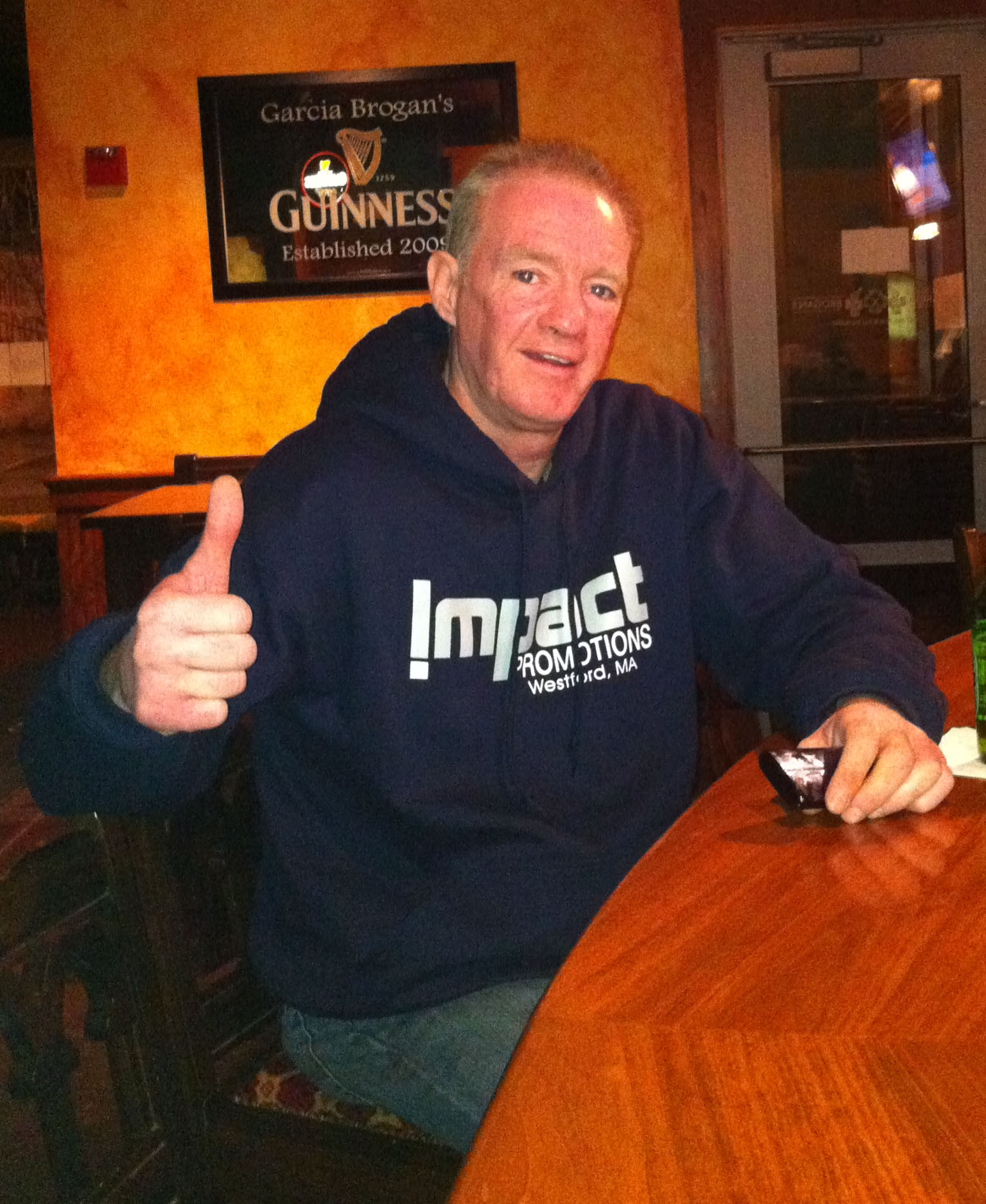
Dicky Eklund, born Richard Eklund on May 9, 1957, in Lowell, Massachusetts, is a name synonymous with both triumph and tragedy in the world of boxing. Known as “The Pride of Lowell,” Eklund’s life has been marked by extraordinary highs and devastating lows. His story is one of raw talent, relentless struggle, and an unwavering spirit that continues to inspire, even as it serves as a cautionary tale. This article explores the life, career, and enduring legacy of Dicky Eklund, a man whose journey from the boxing ring to the big screen and beyond offers deep insights into the complexities of fame, addiction, and redemption.
Early Life and Boxing Career
Growing up in the working-class city of Lowell, Massachusetts, Dicky Eklund was introduced to the rough and tumble world of boxing at a young age. Lowell, known for its rich boxing culture, was a breeding ground for tough fighters, and Eklund was no exception. He quickly gained a reputation as a fierce competitor, earning the nickname “The Pride of Lowell” for his relentless fighting style and determination in the ring.
Eklund’s professional boxing career spanned a decade, from 1975 to 1985. During this time, he amassed a record of 19 wins, including 4 knockouts, and 10 losses. His most notable fight took place on July 18, 1978, against the legendary Sugar Ray Leonard at the Hynes Memorial Auditorium in Boston. Although Eklund lost the fight by unanimous decision, he gained widespread recognition for his tenacity and skill. The fight is particularly remembered for a controversial moment where it appeared that Eklund knocked down Leonard, a point of pride for Eklund and his supporters, despite the official ruling.
The Struggles with Addiction
As with many athletes who achieve fame, Eklund’s life outside the ring was fraught with challenges. His boxing career began to decline as he became increasingly entangled in a web of drug addiction. The pressures of maintaining his athletic performance, combined with the temptations of a fast-paced lifestyle, led Eklund down a dark path. His addiction to crack cocaine not only derailed his boxing career but also led to a series of criminal activities that would ultimately land him in prison.
Eklund’s descent into addiction and crime was well-documented, most notably in the HBO documentary High on Crack Street: Lost Lives in Lowell. Filmed over 18 months, the documentary provided an unflinching look at the impact of crack cocaine on the lives of those in Lowell, including Eklund. It was a stark portrayal of a man who, despite his earlier success, was struggling to escape the grip of addiction. The documentary served as a powerful reminder of the devastating effects of drug abuse and the difficulties of overcoming it.
Eklund’s legal troubles culminated in a prison sentence, during which he served time for various crimes related to his drug addiction. This period of his life was marked by a profound sense of loss and regret, as he grappled with the consequences of his actions. However, it was also during this time that Eklund began to reflect on his life and make efforts to turn things around.
The Role of Mentor and Trainer
After his release from prison, Eklund found a new purpose in life: training his half-brother, Micky Ward, who would go on to become a world champion in the welterweight division. Eklund’s deep knowledge of boxing, combined with his experience and intuition, made him an invaluable coach. Despite his personal struggles, Eklund was able to channel his passion for the sport into helping Ward achieve greatness.
The bond between Eklund and Ward was both personal and professional. Eklund pushed Ward to his limits, employing grueling training regimens and offering invaluable strategic advice. This mentorship played a crucial role in Ward’s success, particularly during his legendary trilogy of fights with Arturo Gatti, which are considered some of the greatest boxing matches in history.
Ward’s career, highlighted by his win of the World Boxing Union (WBU) light welterweight title, is often seen as a testament to Eklund’s skill as a trainer. The success of Ward’s career brought Eklund back into the spotlight, not just as a former boxer, but as a man who had found redemption through the success of his brother.
The Fighter: From Real Life to the Big Screen
Dicky Eklund’s life took another dramatic turn when his story became the basis for the 2010 Hollywood film The Fighter. Directed by David O. Russell, the film stars Christian Bale as Dicky Eklund and Mark Wahlberg as Micky Ward. Bale’s portrayal of Eklund earned him an Academy Award for Best Supporting Actor, and the film itself received critical acclaim for its gritty, authentic depiction of the brothers’ lives.
The Fighter is not just a boxing movie; it is a powerful narrative about family, loyalty, and the fight for redemption. Bale’s portrayal of Eklund captures the complexity of his character—his charisma, his struggles with addiction, and his unyielding love for his brother. The film brought Eklund’s story to a global audience, cementing his place in popular culture as a figure of both tragedy and resilience.
The success of The Fighter also brought renewed attention to Eklund’s life, leading to both praise and criticism. Some viewed the film as a triumphant tale of overcoming adversity, while others criticized it for romanticizing or oversimplifying the darker aspects of Eklund’s life. Nevertheless, the film undeniably contributed to a broader understanding of the complexities of Eklund’s journey.
Legacy and Life Today
Today, Dicky Eklund remains a symbol of the complicated nature of fame and the enduring struggle for redemption. While his early life was marked by athletic achievement and personal turmoil, his later years have been characterized by a commitment to staying clean and helping others. Eklund continues to be involved in the boxing world, offering training and mentoring to young fighters, many of whom see him as a source of inspiration.
Eklund’s story serves as a reminder that the path to redemption is rarely straightforward. His life has been a series of battles—some won, some lost—but through it all, he has remained a fighter. His ability to overcome addiction, his role in his brother’s success, and his portrayal in The Fighter have all contributed to a legacy that is both complex and compelling.
The story of Dicky Eklund is a testament to the resilience of the human spirit. It is a story of how one man, despite facing seemingly insurmountable odds, was able to find redemption and purpose in helping others. Eklund’s life is a powerful example of how the struggles of the past do not have to define the future and how, even in the darkest moments, there is always a chance for redemption.
The Broader Impact of Eklund’s Story
Dicky Eklund’s life is more than just a tale of personal redemption; it reflects broader themes of struggle, addiction, and the pursuit of greatness. His story is particularly resonant in the context of the American dream—the idea that anyone, regardless of their background or the obstacles they face, can achieve success through hard work and determination.
Eklund’s journey also highlights the often-overlooked realities of life in working-class America. His struggles with addiction, his run-ins with the law, and his ultimate redemption are experiences shared by many who grow up in similar environments. Lowell, Massachusetts, the city that shaped Eklund, is itself a character in his story, representing both the promise and the pitfalls of the American dream.
Moreover, Eklund’s story underscores the importance of family and community in overcoming adversity. His relationship with Micky Ward, as depicted in The Fighter, is a powerful example of how the support of loved ones can be instrumental in achieving success. Despite their differences and the challenges they faced, Eklund and Ward remained united in their pursuit of boxing glory, demonstrating the strength of brotherhood and loyalty.
In a broader sense, Eklund’s life story serves as a cautionary tale about the dangers of addiction and the difficulties of breaking free from its grip. His struggles with crack cocaine are a stark reminder of how substance abuse can derail even the most promising careers and wreak havoc on personal lives. Yet, his eventual recovery and redemption offer hope to others who may be facing similar challenges.
Conclusion: The Enduring Legacy of Dicky Eklund
Dicky Eklund’s life is a story of contradictions—a tale of both success and failure, of glory and despair. It is the story of a man who reached great heights in the boxing world, only to be brought low by addiction, and who ultimately found a way to rebuild his life through the success of his brother and his own redemption.
Today, Eklund’s legacy is one of resilience and hope. His story continues to inspire not only those in the boxing community but also anyone who has faced challenges and sought to overcome them. While his life has been far from perfect, it is precisely this imperfection that makes his story so compelling. Eklund’s journey reminds us that even in the face of adversity, it is possible to find redemption and make a positive impact on the lives of others.
Dicky Eklund remains a figure of intrigue and admiration—a man who, despite his flaws, has shown that it is never too late to turn one’s life around. His story is a powerful testament to the enduring human spirit, and his legacy will continue to resonate for years to come.


