
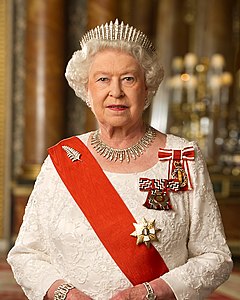
Queen Elizabeth II, born Elizabeth Alexandra Mary Windsor on April 21, 1926, was one of the most iconic figures of the 20th and 21st centuries. Her reign spanned over seven decades, making her the longest-reigning British monarch in history. Her life was marked by profound dedication to duty, a deep connection with her people, and a significant influence on global history. In this article, we will explore the life, age, fame, and significant highlights of Queen Elizabeth II’s life, providing detailed insights, historical context, and the nuances that shaped her reign.
Early Life and Education
Elizabeth II was born into the British royal family as the first child of the Duke and Duchess of York, who later became King George VI and Queen Elizabeth. Her birth took place during a time of relative peace in Britain, but the world around her was on the brink of significant changes. Elizabeth’s early life was one of privilege and duty, growing up in an environment steeped in tradition and responsibility.
Her childhood was filled with education in literature, theater, art, and music, which were considered essential for a royal upbringing. Elizabeth also developed a deep love for horses, becoming an accomplished equestrian—a passion that would stay with her throughout her life. Despite the opulence surrounding her, Elizabeth’s upbringing emphasized the importance of service, duty, and the responsibilities that come with being a member of the royal family.
World War II and Early Responsibilities
The onset of World War II marked a turning point in Elizabeth’s life. As Britain faced the devastation of war, the royal family played a crucial role in maintaining morale. Elizabeth, at the age of 18, was appointed as a Counsellor of State, a role that involved assisting her father in important state affairs. This position highlighted her early involvement in the political sphere, giving her a taste of the responsibilities that would define her later reign.
During the war, Elizabeth did more than just fulfill ceremonial duties. She actively contributed to the war effort by joining the Auxiliary Territorial Service, where she trained as a driver and mechanic. This period in her life demonstrated her commitment to the nation, as she experienced firsthand the hardships of war and gained a deeper understanding of the challenges faced by her future subjects.
Ascension to the Throne
Elizabeth’s life took a dramatic turn in 1952 when her father, King George VI, passed away. At the age of 25, Elizabeth ascended to the throne, becoming Queen Elizabeth II. Her coronation on June 2, 1953, was a historic event, being the first ever to be televised. This brought the monarchy closer to the people, allowing millions to witness the ceremony from their homes—a move that signaled the beginning of a new era for the British royal family.
The early years of her reign were marked by the post-war reconstruction of Britain and the dissolution of the British Empire. Elizabeth oversaw the transition from a colonial empire to a Commonwealth of Nations, maintaining strong relationships with former colonies and promoting the ideals of unity and cooperation.
Marriage and Family Life
Queen Elizabeth II married Philip Mountbatten, Duke of Edinburgh, on November 20, 1947. Their marriage was a symbol of post-war hope and unity. Philip, a former prince of Greece and Denmark, was a distant cousin of Elizabeth, and their union was one of mutual respect and partnership. Together, they had four children: Charles, Prince of Wales; Princess Anne; Prince Andrew, Duke of York; and Prince Edward, Earl of Wessex.
The royal couple’s marriage was not without challenges, but it stood the test of time, lasting over 73 years until Philip’s death in 2021. Throughout their marriage, Philip played a supportive role, often walking a step behind Elizabeth during public engagements, a testament to his dedication to her and the monarchy.
The Longest-Reigning Monarch
In 2015, Queen Elizabeth II surpassed her great-great-grandmother, Queen Victoria, to become the longest-reigning British monarch. Her reign witnessed profound changes in British society, including the decolonization of Africa and the Caribbean, the Troubles in Northern Ireland, and the transformation of the British economy.
Elizabeth II’s reign was also marked by significant cultural shifts. She navigated the monarchy through the challenges of modernity, adapting to changes in public expectations while maintaining the dignity and traditions of the crown. Her ability to balance tradition with modernity endeared her to the British people, ensuring the monarchy’s continued relevance in a rapidly changing world.
Public Perception and Media
Queen Elizabeth II was known for her devotion to public service. She was a constant presence at official ceremonies, public events, and charitable functions, earning her the affection and respect of her people. Her stoicism, sense of duty, and unwavering commitment to the crown were qualities that resonated deeply with the British public.
The media played a significant role in shaping public perception of the Queen. From the early days of her reign, the royal family was subject to intense media scrutiny. The coronation, broadcasted on television, set the precedent for the media’s role in the monarchy. Over the years, the royal family became one of the most photographed and reported on families in the world, with every aspect of their lives being covered by the press.
While the media brought the royal family closer to the people, it also exposed them to public criticism and scandal. The Queen navigated these challenges with grace, maintaining a dignified silence in the face of controversy, which only added to her mystique and public admiration.
Challenges and Scandals
The Queen’s long reign was not without its challenges. The 1990s were particularly tumultuous for the royal family, with the divorces of three of her children and the tragic death of Princess Diana in 1997. Diana’s death was a significant moment in the monarchy’s history, as public grief and media criticism placed immense pressure on the Queen and the royal family.
Despite the controversies, Queen Elizabeth II remained steadfast in her duties, embodying the continuity and stability that the monarchy represents. Her ability to weather these storms and maintain her composure during difficult times only strengthened her position as a beloved figure in British life.
Legacy and Final Years
Queen Elizabeth II’s legacy is one of service, dedication, and stability. Her reign, which spanned over seven decades, saw significant social, political, and cultural changes. She was a symbol of continuity, guiding the nation through periods of immense change, from the post-war era to the digital age.
In her later years, the Queen continued to carry out her duties with the same dedication and sense of responsibility that had defined her reign. She remained a beloved figure, not just in Britain but around the world, admired for her grace, dignity, and unwavering commitment to her role.
Queen Elizabeth II passed away on September 8, 2022, at the age of 96, at Balmoral Castle in Scotland. Her death marked the end of an era, closing a chapter in British history that was defined by her reign. Her life and legacy continue to be celebrated, and her impact on the monarchy and British society will be remembered for generations to come.
Conclusion
Queen Elizabeth II’s life was one of extraordinary dedication to duty and service. Her reign, the longest in British history, was marked by significant historical events, cultural shifts, and personal challenges. Yet, through it all, she remained a symbol of stability and continuity, guiding the nation with grace and dignity. As the world reflects on her life and legacy, Queen Elizabeth II will be remembered as one of the most iconic and influential figures in modern history.


