
Introduction:
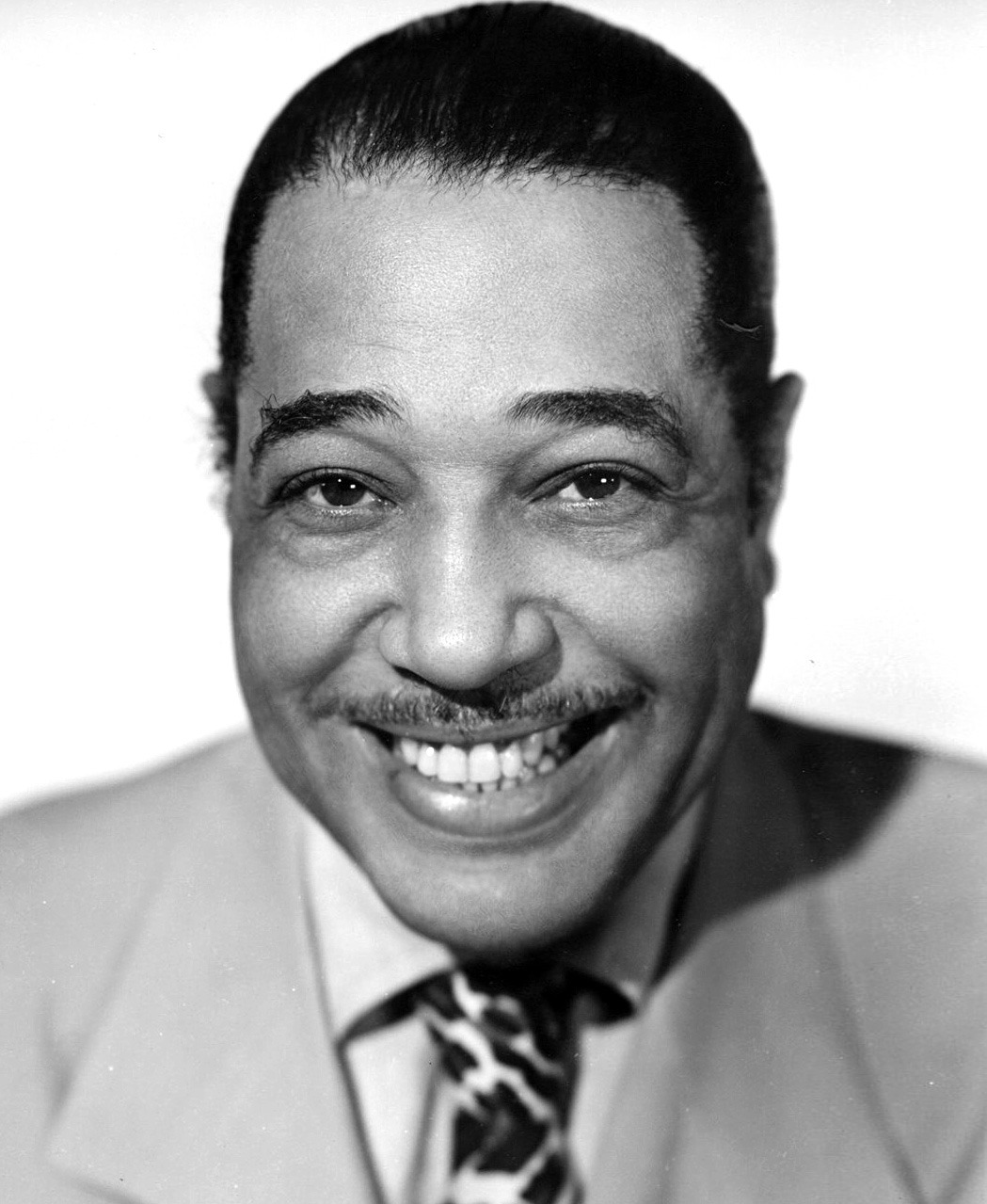
Duke Ellington, born Edward Kennedy Ellington on April 29, 1899, in Washington, D.C., is one of the most influential figures in the history of American music. His contributions to jazz, big band, and swing music are unparalleled, earning him a place as one of the most celebrated composers, pianists, and bandleaders of the 20th century. Throughout his career, which spanned over six decades, Ellington’s innovative compositions and distinctive sound left an indelible mark on the music world. This article delves into the life, fame, and highlights of Duke Ellington, exploring his journey from a young pianist in Washington to a global musical icon.
Early Life and Musical Beginnings:
Duke Ellington’s journey into the world of music began in the early 20th century in Washington, D.C. Born into a middle-class African American family, Ellington’s parents were musically inclined, and they ensured that he received piano lessons from a young age. His mother, Daisy, played a crucial role in shaping his early musical education, instilling in him a deep appreciation for the arts. By the time he was a teenager, Ellington had begun composing his own music, drawing inspiration from the ragtime rhythms popular in the era.
During his adolescence, Ellington started performing professionally in local venues. His early performances in Washington introduced him to the world of jazz, and he quickly developed a reputation as a talented pianist. The 1910s were a formative period for Ellington as he honed his craft and began to establish his unique sound. His early collaborations with musicians like Otto Hardwick and Sonny Greer helped him build a foundation in the jazz scene.
Rise to Fame:
The 1920s marked a turning point in Ellington’s career as he moved to New York City, the epicenter of the jazz world. In 1922, Ellington joined the band of Wilbur Sweatman, a prominent clarinetist, and composer. This experience exposed him to the vibrant musical landscape of New York, where jazz was flourishing in clubs and dance halls.
Ellington’s big break came in 1924 when he became the leader of the “Washingtonians,” a band that included talented musicians such as Elmer Snowden, Bubber Miley, and Johnny Hodges. The group soon secured a residency at the renowned Cotton Club in Harlem, one of the most famous nightclubs of the Jazz Age. The Cotton Club was known for its elaborate stage shows and performances by African American artists, but it catered primarily to a white audience. Despite the racial dynamics of the time, Ellington and his orchestra thrived at the Cotton Club, gaining widespread acclaim for their innovative music.
Musical Innovations and Iconic Compositions:
Duke Ellington’s music was characterized by its complexity, depth, and emotional resonance. He was a master of orchestration, and his compositions often featured intricate arrangements that blended jazz with elements of classical music, blues, and gospel. Ellington’s ability to “paint” with sound earned him the nickname “The Sound Painter,” as he could evoke vivid imagery and emotions through his music.
One of Ellington’s early masterpieces was “Mood Indigo,” a hauntingly beautiful piece that showcased his ability to create rich, atmospheric soundscapes. This composition, along with others like “Black and Tan Fantasy” and “The Mooche,” helped define the “jungle style” of jazz that Ellington and his orchestra became known for. This style, characterized by its use of muted brass instruments and complex rhythms, was particularly popular among white audiences in the 1920s and 1930s.
As the 1930s progressed, Ellington continued to push the boundaries of jazz. He welcomed new musicians into his orchestra, including the innovative bassist Jimmy Blanton, who revolutionized the role of the bass in jazz, and Billy Strayhorn, a gifted arranger and composer who became Ellington’s close collaborator and musical alter ego. Together, they created some of the most enduring works in the jazz canon, including “Take the ‘A’ Train,” “Cottontail,” and “Harlem Air Shaft.”
The Carnegie Hall Concerts and World Tours:
In 1943, Duke Ellington’s career reached new heights when he performed at Carnegie Hall, a prestigious venue traditionally associated with classical music. This concert marked a significant milestone for Ellington and jazz as a whole, as it signaled the genre’s acceptance into the mainstream music world. The concert featured one of Ellington’s most ambitious works, “Black, Brown, and Beige,” a suite that explored the African American experience in the United States. Although it received mixed reviews at the time, the piece is now regarded as one of Ellington’s most important compositions.
Throughout the 1940s and 1950s, Ellington and his orchestra embarked on extensive world tours, performing in Europe, Asia, and Africa. These tours not only solidified Ellington’s international reputation but also helped spread jazz to new audiences. His performances were often met with enthusiasm and admiration, as audiences around the world marveled at the sophistication and artistry of his music.
The Newport Jazz Festival and Late Career:
By the mid-1950s, Duke Ellington’s career had entered a period of decline, as the big band era gave way to smaller ensembles and new styles of jazz. However, in 1956, Ellington experienced a resurgence in popularity thanks to his performance at the Newport Jazz Festival. The festival, which took place in Newport, Rhode Island, was one of the most important events in the jazz calendar, and Ellington’s electrifying performance of “Diminuendo and Crescendo in Blue” brought the house down. The performance was captured on the album “Ellington at Newport,” which became one of his best-selling records.
Ellington continued to compose, record, and perform throughout the 1960s and 1970s, exploring new musical territories and collaborating with a wide range of artists. His suite “Such Sweet Thunder,” inspired by the works of William Shakespeare, and “The Far East Suite,” which incorporated elements of Middle Eastern and Asian music, are just two examples of his continued innovation during this period.
Personal Life and Legacy:
Despite his fame and success, Duke Ellington remained a deeply private individual. He was known for his elegance, charm, and professionalism, but he rarely spoke about his personal life in public. Ellington was married to Edna Thompson in 1918, and they had one son, Mercer Ellington, who would later become a bandleader and composer in his own right. Although Ellington and Edna separated in the 1930s, they never officially divorced.
Ellington’s close relationship with Billy Strayhorn, his longtime collaborator, was one of the most significant in his life. Strayhorn, who was openly gay, and Ellington formed a deep bond based on mutual respect and shared musical vision. Strayhorn’s death from cancer in 1967 was a devastating blow to Ellington, who mourned his loss deeply.
Duke Ellington’s contributions to music were recognized with numerous awards and honors throughout his lifetime. He received a Grammy Lifetime Achievement Award, a Presidential Medal of Freedom, and was posthumously awarded the Pulitzer Prize for Music in 1999. His impact on jazz and American music as a whole is immeasurable, and his compositions continue to be performed and studied by musicians around the world.
Conclusion:
Duke Ellington’s life and career are a testament to the power of music to transcend boundaries and bring people together. From his early days as a young pianist in Washington, D.C., to his status as a global icon, Ellington’s music has left an indelible mark on the world. His innovative compositions, sophisticated arrangements, and unique sound have made him one of the most important figures in the history of jazz, and his legacy continues to inspire new generations of musicians.
Ellington’s ability to blend different musical genres and create a sound that was uniquely his own has ensured that his music remains timeless. Whether it’s the haunting melodies of “Mood Indigo,” the exuberant rhythms of “Take the ‘A’ Train,” or the sweeping grandeur of “Black, Brown, and Beige,” Duke Ellington’s music will continue to resonate with audiences for generations to come.


