
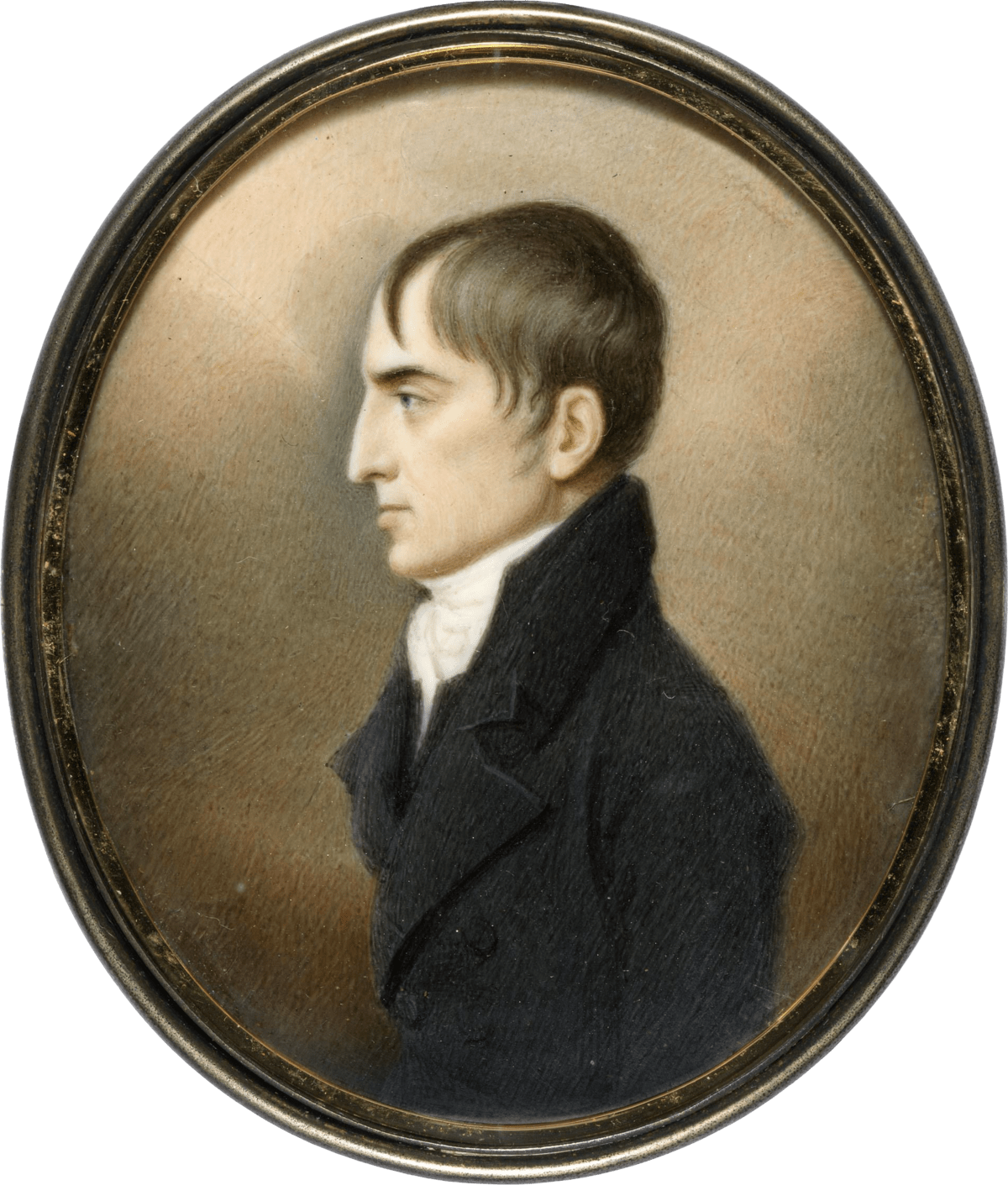
Robert Emmet is a name synonymous with Irish patriotism and the relentless fight for independence. Born on March 4, 1778, in Clonakilty, County Cork, Emmet’s life was shaped by the turbulent history of Ireland in the late 18th and early 19th centuries. A figure of romantic rebellion, Emmet’s legacy is a poignant reminder of the sacrifices made in the quest for Irish independence. This article delves into the life, fame, and historical significance of Robert Emmet, providing detailed insights into his contributions to Irish history and the broader context of his time.
Early Life and Historical Context
Robert Emmet was born into a time when Ireland was under the oppressive control of British rule. The Penal Laws, introduced by William of Orange in the late 17th century, had left the Catholic majority disenfranchised and impoverished. These laws were designed to suppress Catholic influence and maintain Protestant dominance in Ireland. As a result, the vast majority of Irish landowners were English Protestants, while Irish Catholics lived in conditions of extreme poverty, subject to various legal and economic restrictions.
The Emmet family, however, was relatively affluent and well-educated. Robert’s father, Dr. Robert Emmet, was a respected physician, and the family was part of Dublin’s intellectual and political circles. Despite their Protestant background, the Emmets were sympathetic to the plight of the Irish Catholics and supported the cause of Irish independence.
Growing up in this environment, Robert Emmet was exposed to the revolutionary ideas that were sweeping across Europe and America. The American Revolution (1775-1783) and the French Revolution (1789-1799) had ignited the spirit of rebellion in many parts of the world, including Ireland. These movements inspired Irish nationalists to fight for their own freedom from British rule.
Education and Early Political Involvement
Emmet’s education began at Trinity College, Dublin, where he was known for his brilliant oratory skills and his deep interest in political theory. It was during his time at Trinity College that Emmet became involved with the Society of United Irishmen, a revolutionary group that sought to unite Irish Catholics and Protestants in the fight for independence. The United Irishmen were inspired by the principles of liberty, equality, and fraternity, and they aimed to establish an independent Irish republic.
In 1798, Emmet was expelled from Trinity College due to his involvement with the United Irishmen. That same year, the United Irishmen launched a major uprising against British rule, known as the Irish Rebellion of 1798. Although the rebellion was ultimately crushed by British forces, it had a profound impact on Emmet and solidified his commitment to the cause of Irish independence.
Exile in France and Revolutionary Plans
Following the failed 1798 rebellion, Emmet fled to France to avoid arrest. In Paris, he continued his revolutionary activities, establishing connections with key figures in the French government, including Napoleon Bonaparte and Talleyrand. The French, who were engaged in a prolonged conflict with Britain, were sympathetic to the Irish cause and provided support for the United Irishmen’s efforts.
Emmet’s time in France was marked by intense planning and preparation for another uprising in Ireland. He believed that with French military support, the Irish could successfully overthrow British rule. However, securing French aid proved to be challenging, and Emmet eventually decided to proceed with his plans without waiting for French assistance.
The 1803 Rebellion: A Tragic Endeavor
In 1802, Emmet returned to Ireland with the intention of organizing a new rebellion. He began stockpiling weapons and recruiting supporters, but the situation in Ireland was far from ideal. The United Irishmen were weakened by the failures of the 1798 rebellion, and the British authorities were on high alert for any signs of insurrection.
Despite these challenges, Emmet pressed forward with his plans. On July 23, 1803, the rebellion was launched in Dublin. Unfortunately, the uprising was poorly coordinated and quickly descended into chaos. The rebels were vastly outnumbered and outgunned by British forces. The rebellion resulted in the deaths of several people, including Lord Kilwarden, the Chief Justice of Ireland, and his nephew. However, the British forces swiftly suppressed the uprising, and Emmet’s rebellion became known as the “small rebellion.”
Emmet managed to evade capture for a short time, but he was eventually arrested on August 25, 1803. His trial was a highly publicized event, and he was found guilty of high treason. On September 19, 1803, Robert Emmet was sentenced to death.
The Legacy of Robert Emmet
One of the most enduring aspects of Robert Emmet’s legacy is the speech he delivered before his execution. Emmet’s final words were a passionate defense of his actions and a condemnation of British rule in Ireland. He famously refused to allow his epitaph to be written until Ireland had achieved its independence, saying, “Let no man write my epitaph… When my country takes her place among the nations of the earth, then, and not till then, let my epitaph be written.”
On September 20, 1803, Robert Emmet was executed by hanging and then decapitated in Thomas Street, Dublin. He was only 25 years old at the time of his death, yet his actions and his words have resonated through the centuries, inspiring future generations of Irish nationalists.
The Romanticization of Robert Emmet
In the years following his death, Robert Emmet became a symbol of Irish resistance and martyrdom. His tragic fate, combined with his eloquent speech and his youthful idealism, made him a romantic figure in Irish history. Poets, writers, and artists have drawn inspiration from Emmet’s life and death, depicting him as a hero who sacrificed everything for his country.
One of the most poignant aspects of Emmet’s life was his relationship with Sarah Curran, the daughter of John Philpot Curran, a prominent lawyer and politician who defended several United Irishmen. Emmet and Sarah’s love story has been immortalized in Irish folklore, with many seeing it as a symbol of the personal sacrifices made by those involved in the fight for independence. Sarah Curran, who was deeply affected by Emmet’s execution, died of tuberculosis two years later, adding another layer of tragedy to their story.
The Historical Significance of Emmet’s Rebellion
Although Emmet’s rebellion was a military failure, its significance lies in its role as a precursor to later, more successful efforts to achieve Irish independence. The rebellion highlighted the deep-seated discontent among the Irish population and the lengths to which they were willing to go to achieve freedom.
Emmet’s speech before his execution became a rallying cry for future generations of Irish nationalists. His vision of an independent Ireland, free from British rule, continued to inspire those who fought in subsequent uprisings, including the 1916 Easter Rising, which ultimately led to the establishment of the Irish Free State in 1922.
Robert Emmet’s Enduring Legacy
Today, Robert Emmet is remembered as one of Ireland’s most beloved national heroes. His life and death are commemorated in numerous ways across Ireland and among the Irish diaspora. Statues, plaques, and memorials have been erected in his honor, and his name is frequently invoked in discussions of Irish history and identity.
Emmet’s legacy is also reflected in the numerous cultural works that have been inspired by his life. From poetry to plays to songs, artists have sought to capture the essence of Emmet’s sacrifice and the impact of his actions on Irish history. His story serves as a reminder of the power of idealism and the enduring struggle for justice and freedom.
Conclusion: The Man Behind the Martyr
Robert Emmet’s life was short, but his impact on Irish history was profound. As a young man, he dared to challenge the might of the British Empire, driven by a deep love for his country and a belief in the principles of liberty and equality. His rebellion may have failed in a military sense, but it succeeded in igniting a flame of resistance that would eventually lead to Ireland’s independence.
Emmet’s legacy is one of courage, sacrifice, and unwavering commitment to a cause greater than oneself. His story continues to inspire those who seek justice and freedom, not just in Ireland, but around the world. As we reflect on Robert Emmet’s life and the times in which he lived, we are reminded of the enduring power of hope and the human spirit’s capacity for resilience in the face of overwhelming odds.


