
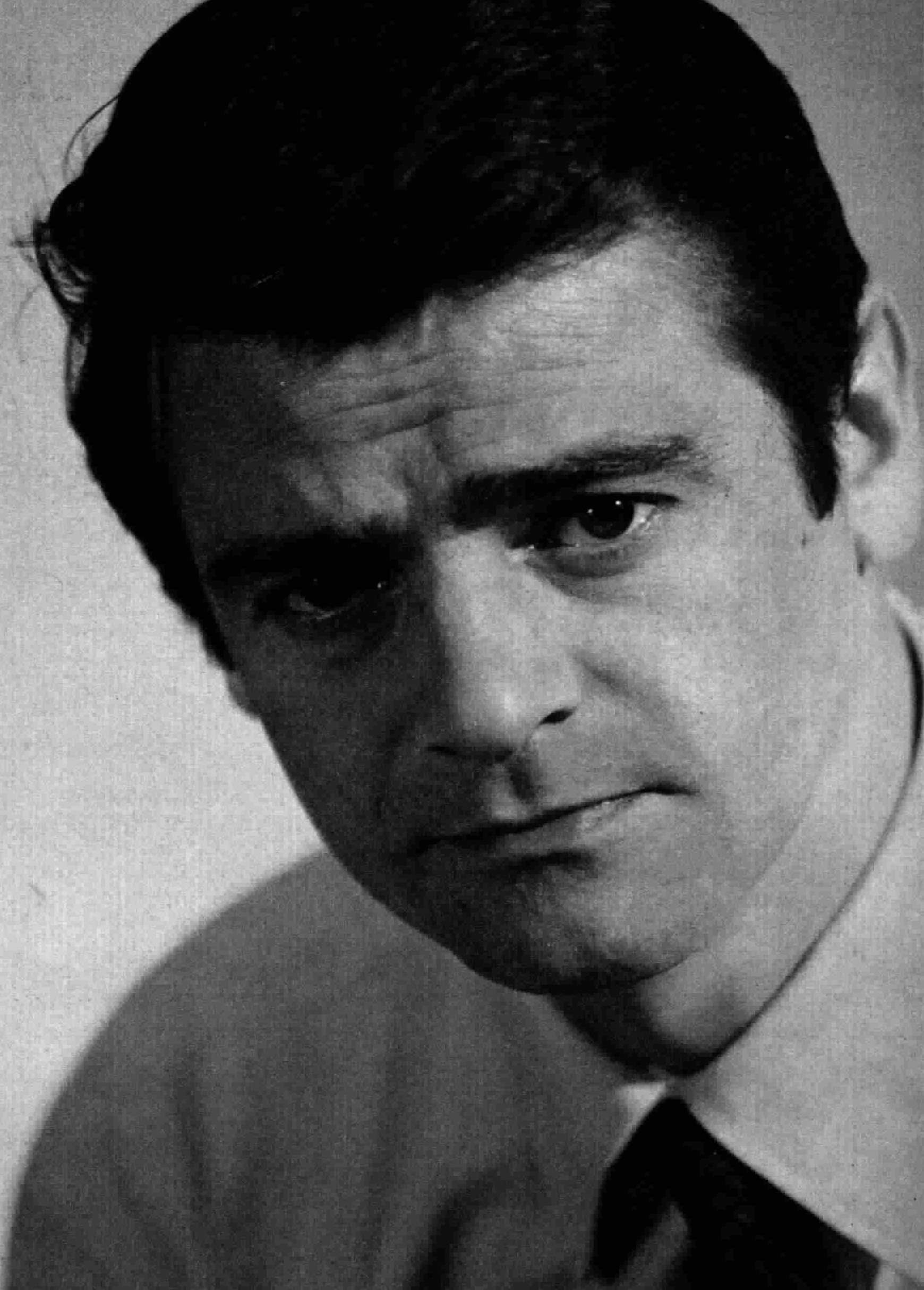
Sergio Endrigo was a prominent Italian singer-songwriter, known for his deeply emotional and poetic music. Born on June 15, 1933, in Pola, a city that is now part of Croatia but was then under Italian rule, Endrigo’s life and career were marked by both personal hardships and remarkable artistic achievements. Over the course of his life, Endrigo became one of the most respected figures in Italian music, with a career that spanned several decades and left an indelible mark on the country’s cultural landscape.
Early Life and Background
Sergio Endrigo was born into a family with artistic roots. His father, Romeo, was a sculptor and painter, which likely influenced Endrigo’s own creative pursuits. However, his early life was far from easy. The turmoil of World War II forced Endrigo and his mother, Claudia, to leave their home in Pola and move to Brindisi as refugees. This displacement was further compounded by the tragic loss of his father when Endrigo was just six years old.
After the war, Endrigo and his mother relocated to Venice, where he attended school. However, financial difficulties led him to leave his studies early to help support his family. He worked a variety of jobs, including as a lift-boy at the Hotel Excelsior and a jack-of-all-trades at the Venice Film Festival. Despite these hardships, Endrigo nurtured his passion for music, studying guitar and eventually finding work as a bassist and singer in various orchestras.
The Road to Fame
Endrigo’s musical career began in earnest in the late 1950s. In 1959, he made his recording debut with a 45 rpm extended play that featured the songs “Ghiaccio bollente” and “Non occupatemi il telefono.” That same year, he participated in the “Burlamacco d’oro,” a music festival where he performed the song “Notte, lunga notte,” co-written by Enrico Polito and Franco Migliacci. This performance, along with the release of his first record, marked the beginning of Endrigo’s ascent in the Italian music scene.
In 1960, Endrigo signed a contract with Dischi Ricordi, a major Italian record label. Over the next few years, he wrote and recorded several songs, including “Bolle di sapone” and “La brava gente.” His collaboration with Gino Paoli, who wrote the song “Gli innamorati sono sempre soli” for him, further established Endrigo’s reputation as a serious and talented artist.
Breakthrough and Success in the 1960s
The 1960s were a period of great success for Sergio Endrigo. In 1962, he signed with RCA, where he released his first solo LP, simply titled “Sergio Endrigo.” This album included some of his most famous songs, such as “Io che amo solo te,” “Aria di neve,” and “Il soldato di Napoleone,” the latter featuring lyrics by the renowned poet Pier Paolo Pasolini.
Endrigo’s personal life also blossomed during this time. He married Maria Giulia Bartolocci, known as Lula, and became the brother-in-law of fellow musician Riccardo Del Turco. In 1963, he released another successful LP, “Endrigo,” which featured tracks like “La guerra” and “La rosa bianca.”
In 1965, Endrigo became a father and also made his acting debut in the films “008 Operazione Ritmo” and “Questi pazzi pazzi italiani.” Around this time, he left RCA to sign with Fonit Cetra, where he continued to release music that resonated with audiences across Italy.
One of Endrigo’s most iconic songs, “Te lo leggo negli occhi,” was released during this period and became one of his most celebrated works. However, his song “Teresa,” which referenced a non-virgin woman, was censored by RAI, reflecting the conservative attitudes of the time.
Sanremo and Eurovision: The Height of Fame
Sergio Endrigo’s association with the Sanremo Music Festival, Italy’s most prestigious music competition, played a significant role in his career. His first appearance at Sanremo came in 1966 with the song “Adesso sì.” Although he did not win that year, the performance was a critical success and led to the release of his third LP, also titled “Endrigo.”
In 1968, Endrigo returned to Sanremo and won the competition with the song “Canzone per te,” performed in collaboration with Brazilian singer Roberto Carlos. This victory catapulted him to new heights of fame and solidified his place among the greats of Italian music.
Following his Sanremo success, Endrigo represented Italy at the Eurovision Song Contest in 1968 with the song “Marianne.” Although he did not win, his performance was well-received, and the song became popular across Europe.
Endrigo returned to Sanremo several more times over the next few years. In 1969, he finished second with the song “Lontano dagli occhi,” performed with British singer Mary Hopkin. In 1970, he placed third with “L’arca di Noè,” sung in collaboration with Iva Zanicchi. These performances further cemented his status as one of Italy’s leading musical talents.
Later Years and Legacy
The 1970s and beyond saw Endrigo continue to produce music and participate in Sanremo, though his later entries did not achieve the same level of success as his earlier work. Notable songs from this period include “Elisa Elisa” (1973), “Quando c’era il mare” (1976), and “Canzone italiana” (1986). Despite the decline in his mainstream popularity, Endrigo remained a respected figure in the music industry and continued to perform and record music.
In 1995, Endrigo published a novel titled “Quanto mi dai se mi sparo?” (How Much Will You Give Me If I Shoot Myself?), showcasing his literary talents. However, his later years were also marked by controversy. In 1994, Luis Bacalov won an Academy Award for Best Original Score for the film “Il Postino,” which featured a musical theme that bore a striking resemblance to Endrigo’s 1974 song “Nelle mie notti.” Endrigo and his collaborator Riccardo Del Turco contested Bacalov’s authorship of the theme, though the issue was never fully resolved.
Tragically, Sergio Endrigo’s life was cut short by lung cancer, which was diagnosed only a few months before his death on September 7, 2005, in Rome. He was buried in the family tomb in Terni, leaving behind a rich legacy of music that continues to inspire and move listeners.
Conclusion: The Enduring Legacy of Sergio Endrigo
Sergio Endrigo’s life and career were a testament to the power of music to convey deep emotion and connect with people on a profound level. Despite the challenges he faced, from the loss of his father and the hardships of war to the ups and downs of his career, Endrigo remained committed to his art. His songs, characterized by their poetic lyrics and heartfelt melodies, have become an enduring part of Italy’s cultural heritage.
Endrigo’s influence can be seen in the many artists who have covered his songs and in the continued popularity of his music. Whether through his iconic performances at Sanremo, his collaborations with literary giants like Pier Paolo Pasolini, or his lesser-known but equally powerful works, Sergio Endrigo’s contribution to Italian music is undeniable.
In a world where music is often seen as disposable, Endrigo’s work reminds us of the importance of authenticity, emotion, and artistry. His legacy is not just in the songs he wrote and performed, but in the way he lived his life—with passion, integrity, and a deep love for his craft.


