
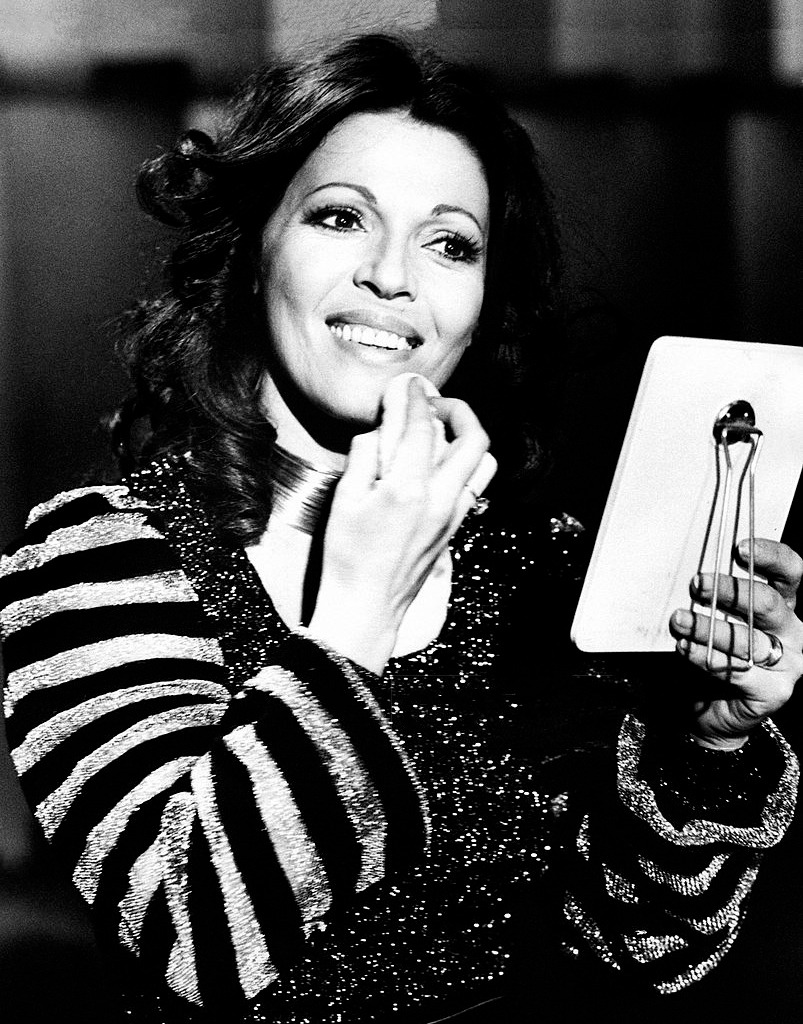
Valeria Fabrizi, born on October 20, 1936, in Verona, Italy, is a celebrated Italian actress whose career spans several decades across film, television, and theater. Known for her versatile talent, she has become a beloved figure in Italian entertainment. Valeria Fabrizi’s journey is not just a story of artistic success but also one of resilience and adaptability, having navigated the ever-changing landscape of Italian cinema and television from the 1950s to the present day.
Early Life and Entry into Show Business
Valeria Fabrizi’s connection to the entertainment industry seems almost destined. Growing up in Verona, she was surrounded by a world of culture and arts, which undoubtedly influenced her career path. Despite the challenges of growing up during World War II, Fabrizi displayed an early interest in the performing arts. Her childhood was marked by the loss of her parents during the war, a tragedy that could have easily derailed her future. However, her resilience and determination propelled her forward.
As a young woman, Fabrizi was acutely aware of her striking beauty and decided to leverage it in her pursuit of a career in entertainment. Her initial foray into show business came through modeling and participating in fotoromanzi, a popular form of visual storytelling in Italy during the 1950s. These photo-novels were a blend of photography and narrative, creating serialized stories that were published in magazines. Fabrizi’s work in this medium helped her gain recognition and opened doors for her in the film industry.
Film Debut and Rising Star in Cinema
Valeria Fabrizi made her film debut in 1954, playing a small role that would be the first of many in a burgeoning career. The 1950s and 1960s were a golden era for Italian cinema, and Fabrizi was fortunate to enter the industry during this time. The Italian film industry was producing a large volume of films, which allowed emerging actresses like Fabrizi to build their careers quickly.
Between the late 1950s and the 1970s, Fabrizi appeared in over fifty films, a testament to her work ethic and popularity. Her early roles were often in genre films, which were extremely popular in Italy at the time. These included comedies, dramas, and musicals, all of which showcased her range as an actress. Fabrizi’s ability to adapt to different genres and roles made her a favorite among directors and audiences alike.
One of the notable aspects of her early career was her participation in the Miss Universe pageant at the age of 21, where she placed fourth. This international exposure further cemented her status as a rising star in Italy and opened up new opportunities in the entertainment industry.
Transition to Theater and Television
As her film career progressed, Valeria Fabrizi expanded her horizons to include theater, particularly in the genre of teatro di rivista, or variety theater. This form of theater was a precursor to the television variety shows that would become popular in later decades. It combined elements of comedy, music, and dance, allowing Fabrizi to showcase not only her acting skills but also her singing talent.
In the theater, Fabrizi worked with some of Italy’s most renowned performers and directors, including Erminio Macario, a popular comedian and theater actor. Her collaborations in productions like Carlo non farlo and L’adorabile Giulio helped her refine her craft and gain further recognition as a talented and versatile performer.
As television began to emerge as a dominant medium in Italy, Fabrizi made the transition to the small screen. Her work in television was often in collaboration with her husband, Tata Giacobetti, a member of the famous musical group Quartetto Cetra. Together, they worked on several television projects, including the musical comedy Non cantare, spara and the anthology series Storia di Rossella O’Hara, which was based on the famous character from Gone with the Wind. These shows were popular with audiences and helped Fabrizi establish herself as a television star.
Television Stardom and Iconic Roles
The 1960s and 1970s were pivotal decades for Valeria Fabrizi’s television career. In 1969, she was chosen by the legendary Italian television host Corrado Mantoni to co-host the quiz show A che gioco giochiamo?. The show was a huge success and made Fabrizi a household name in Italy. Her charm, wit, and on-screen presence endeared her to millions of viewers.
Throughout the 1970s, Fabrizi continued to appear in popular television series, particularly in the poliziesco genre, which focused on crime and police dramas. Shows like Un certo Harry Brent and Qui squadra mobile were part of this wave of crime dramas that captivated Italian audiences. Fabrizi’s roles in these series demonstrated her ability to take on serious, dramatic roles, further broadening her appeal.
After a brief hiatus from the screen, Fabrizi made a significant comeback in the early 1980s. In 1981, she appeared in the television adaptation of Dopo vent’anni, directed by Mario Foglietti. This marked her return to television after a few years away and reaffirmed her status as one of Italy’s leading actresses.
The 1990s to 2020s: A Resilient Star
As the Italian entertainment industry evolved in the 1990s, so too did Valeria Fabrizi’s career. The 1990s saw the rise of fiction series, which were akin to the modern-day drama series. Fabrizi adapted seamlessly to this new format, becoming one of the most beloved figures in Italian television. She starred in popular series like Linda e il brigadiere and Sei forte maestro, which were hits with audiences.
In addition to her television work, Fabrizi also returned to the theater. In the 2004-2005 season, she starred in a production of Pigmalione, the Italian adaptation of George Bernard Shaw’s Pygmalion. The play was a success and was even adapted into a television special that documented the production process from casting to the final performance. This project highlighted Fabrizi’s enduring commitment to her craft and her willingness to explore new challenges.
Fabrizi’s film career also experienced a resurgence in the mid-2000s. She appeared in the 2006 film Notte prima degli esami, directed by Fausto Brizzi. The film was a critical and commercial success, becoming one of the most popular Italian films of the decade. Fabrizi’s performance was praised, and the film introduced her to a new generation of fans.
In 2007, she made a guest appearance in the long-running soap opera Un posto al sole, which further showcased her versatility. Three years later, in 2010, she took on a role in the fiction series Tutti per Bruno. These appearances demonstrated Fabrizi’s ability to remain relevant in an industry that was constantly changing.
Recent Years: Reinvention and Continued Success
Even in her eighties, Valeria Fabrizi has shown no signs of slowing down. In 2012, she joined the cast of the hit Rai Uno series Che Dio ci aiuti, a role that reintroduced her to a broad audience and solidified her status as a beloved television icon. Her portrayal of Sister Costanza in the series was met with widespread acclaim, and the show became one of Rai Uno’s most popular series.
In 2021, at the age of 84, Fabrizi took on a new challenge by participating in the popular reality dance competition Ballando con le stelle. Paired with professional dancer Giordano Filippo, Fabrizi impressed both the judges and the audience with her grace and determination. Her participation in the show was a testament to her enduring vitality and passion for performance.
Personal Life and Legacy
Valeria Fabrizi’s personal life has also been a source of public interest. In 1964, she married Giovanni “Tata” Giacobetti, a member of Quartetto Cetra. The couple had a daughter, Giorgia Giacobetti, in 1965. The marriage was a happy one, lasting until Tata Giacobetti’s untimely death in 1988 due to a heart attack.
Fabrizi’s life has been marked by both triumphs and challenges, but through it all, she has remained a resilient and dedicated artist. Her career, which spans over six decades, is a testament to her talent, versatility, and ability to adapt to the changing tides of the entertainment industry.
Conclusion
Valeria Fabrizi’s journey from a young girl in Verona to one of Italy’s most enduring and beloved actresses is a remarkable story of talent, perseverance, and adaptability. Her contributions to Italian cinema, television, and theater have left an indelible mark on the industry, and her legacy continues to inspire both her peers and younger generations of performers. Even as she continues to explore new opportunities in her eighties, Valeria Fabrizi remains a shining example of the power of passion and dedication in the world of entertainment.


